Researchers at Weill Cornell Medicine have traced a specific chain reaction in the immune system that helps explain why people with inflammatory bowel disease face a sharply elevated risk of colorectal cancer. The discovery opens several new angles for intervention — potentially before cancer develops at all.
The story starts with inflammation. Inflammatory bowel disease (IBD), which includes Crohn's disease and ulcerative colitis, means the digestive tract stays inflamed for years or decades. That chronic irritation doesn't just cause pain and digestive problems; it fundamentally changes how the immune system behaves in the gut, and those changes can eventually create conditions where cancer cells thrive.
The Immune Signal That Goes Wrong
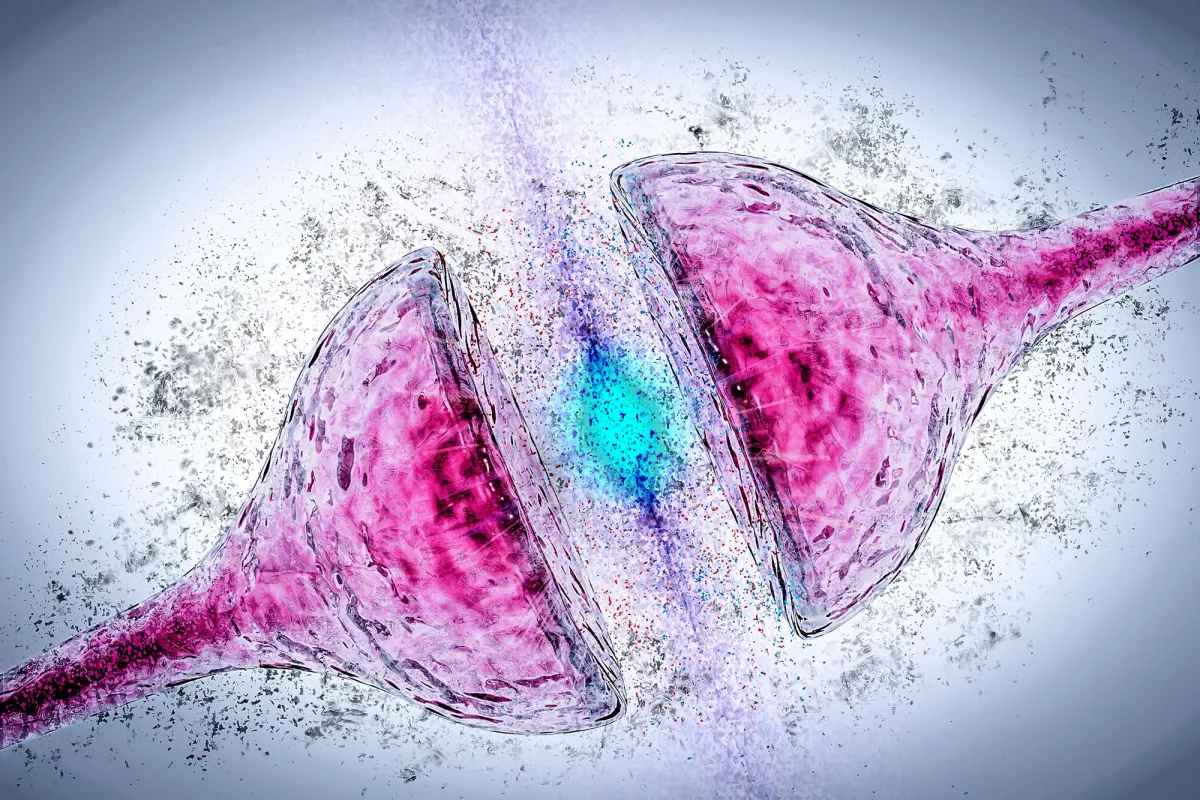
The researchers identified a signaling protein called TL1A, produced by immune cells in the inflamed gut, as a key trigger. TL1A activates a group of immune cells called ILC3s that live in the gut lining. Once activated, these ILC3 cells release a substance called GM-CSF that tells the bone marrow to rapidly produce neutrophils — a type of white blood cell.
We're a new kind of news feed.
Regular news is designed to drain you. We're a non-profit built to restore you. Every story we publish is scored for impact, progress, and hope.
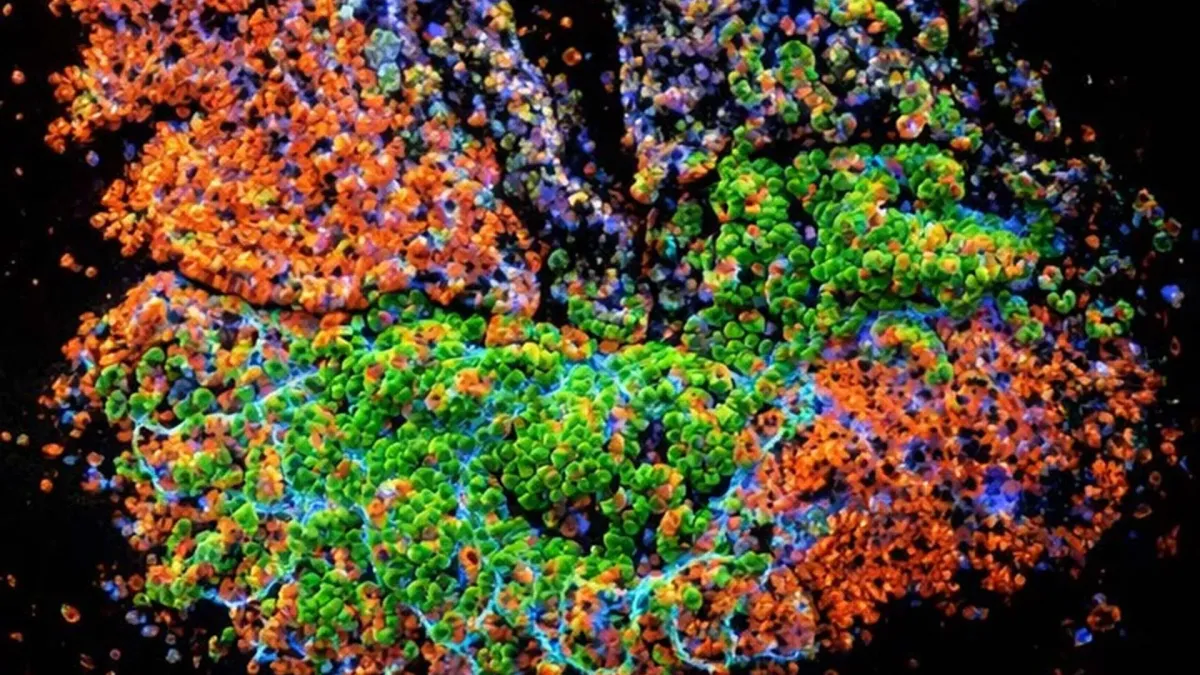
Start Your News DetoxSounds like the immune system doing its job, right. But here's where it goes sideways. In mouse models of intestinal cancer, the presence of these neutrophils alone was enough to accelerate tumor growth. More strikingly, the ILC3 cells trigger a specific pattern of gene activity within the neutrophils — a pattern that includes genes linked to cancer initiation and progression. When researchers looked at colon tissue samples from people with IBD-related inflammation, they found the same gene expression changes.
It's a case of the immune system's protective response becoming, over time, a tumor-promoting environment.
A Clearer Target for Prevention
Because the researchers mapped out each step in this chain reaction, they've identified multiple points where treatment could intervene: TL1A itself, the ILC3 cells, GM-CSF, or the neutrophils they recruit. The goal isn't just to treat cancer after it appears, but to interrupt this pathway earlier — potentially preventing cancer from developing in the first place for people with IBD.
The team is continuing to investigate how this immune communication network operates during gut inflammation, with early intervention and prevention strategies in focus. For the roughly 3 million Americans living with IBD, this kind of mechanistic understanding could eventually shift the conversation from managing a disease to preventing its most serious complications.