
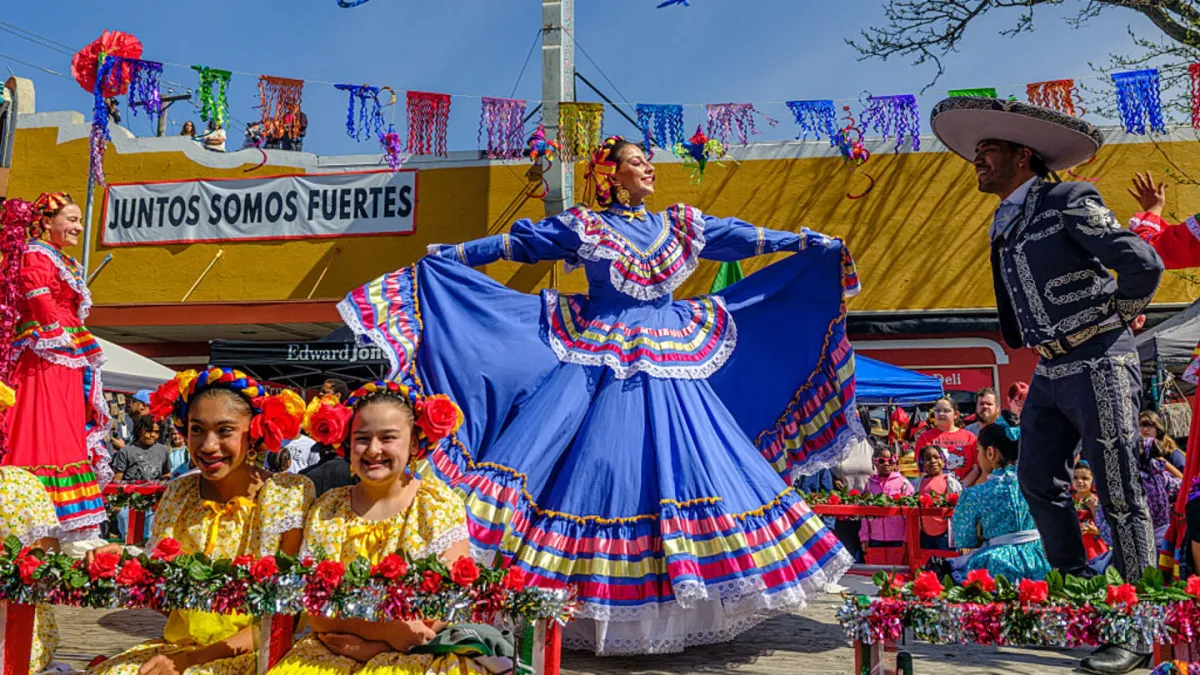
Cinco de Mayo is known for its dances, colorful decorations, and traditional Mexican foods. This festive day celebrates a Mexican military victory from 1862. Today, it's popular in both Mexico and the United States. Surprisingly, the holiday actually started in America, not Mexico.
The Battle of Puebla
In 1861, Mexican President Benito Juárez paused payments on foreign debts. France, England, and Spain sent troops to Mexico. England and Spain soon left, but France tried to set up a monarchy with Maximilian of Austria as ruler. France wanted to limit U.S. power and expand its own influence, especially while the U.S. was busy with its Civil War.
On May 5, 1862, a smaller, less equipped Mexican army faced a larger French force. Between 2,000 and 5,000 Mexican soldiers defeated 6,000 French soldiers sent by Napoleon III. This victory, led by Mexican General Ignacio Zaragoza, became known as the Battle of Puebla. France still controlled parts of Mexico until 1867. However, this early win became a symbol of Mexico's fight against foreign powers and boosted national morale.
We're a new kind of news feed.
Regular news is designed to drain you. We're a non-profit built to restore you. Every story we publish is scored for impact, progress, and hope.
Start Your News DetoxHow Cinco de Mayo Started in the U.S.
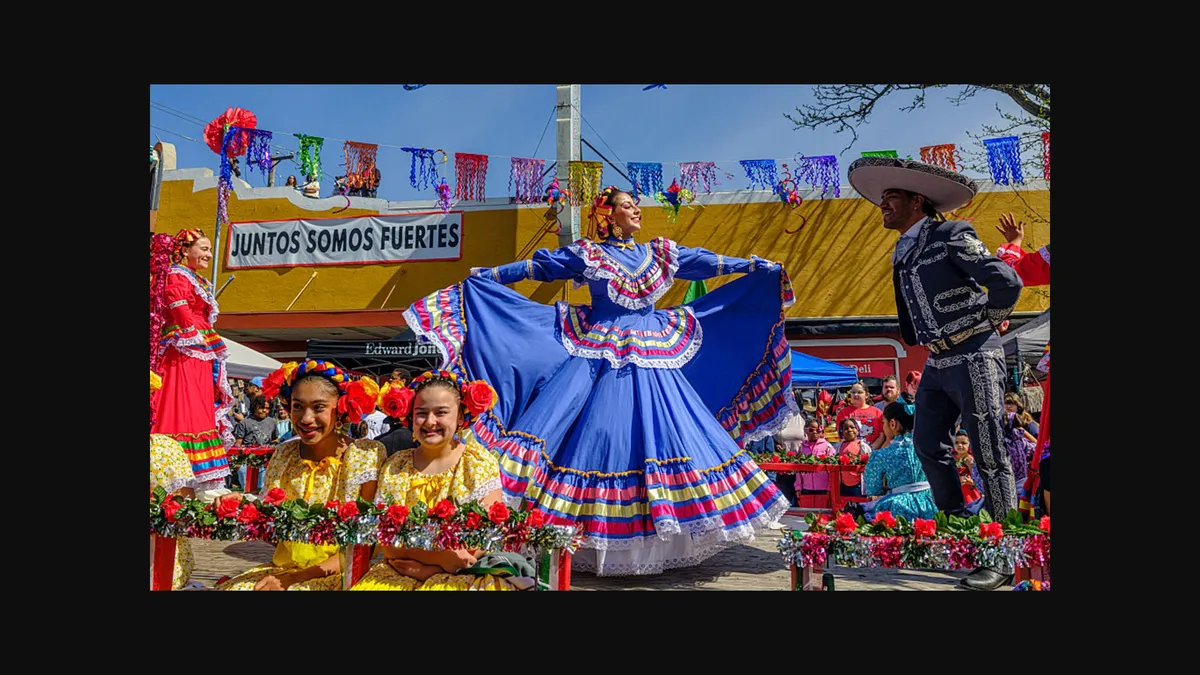
News of Mexico's victory quickly reached Mexican-American immigrants in California. They used this moment to gather support for Mexico's resistance against French rule.
Professor José Alamillo from California State University Channel Islands explained that Latinos in California began raising money for Mexican troops. They formed a strong network of patriotic groups. By 1863, Mexican Americans in California were already celebrating the date. They saw it as a political and cultural event tied to resistance and democracy.
Many American citizens at the time had strong connections to Mexico. After the Mexican-American War (1846-1848), Mexico gave up Arizona, New Mexico, California, Nevada, and Utah to the U.S. People living there could choose U.S. citizenship. The Texas Revolution also led to Texas becoming part of the U.S. This meant many people in America during the Battle of Puebla had recently been Mexican. So, a Mexican victory resonated deeply with Mexican-American citizens.
One of the first recorded Cinco de Mayo celebrations happened in Los Angeles and San Francisco on May 27, 1863. Music and parades honored the victory. The festivities moved to May 5 the next year. Over the next century, Cinco de Mayo's meaning changed. In the 1960s, it became a celebration of Mexican culture, pride, and identity in the United States.
Today, it is celebrated more widely in the U.S. than in Mexico. However, it is also popular in the Mexican state of Puebla, where the original victory took place. U.S. celebrations have become very commercialized. Drinks like margaritas, invented in the 1940s, sometimes overshadow the holiday's political roots.