For 30 years, doctors have watched patients stop taking one of the most effective cholesterol drugs on the market—not because it doesn't work, but because it hurts. About one in ten people on statins develop muscle pain, weakness, or fatigue severe enough to make them quit. Now researchers at Columbia University have figured out why, and they're already designing a fix.
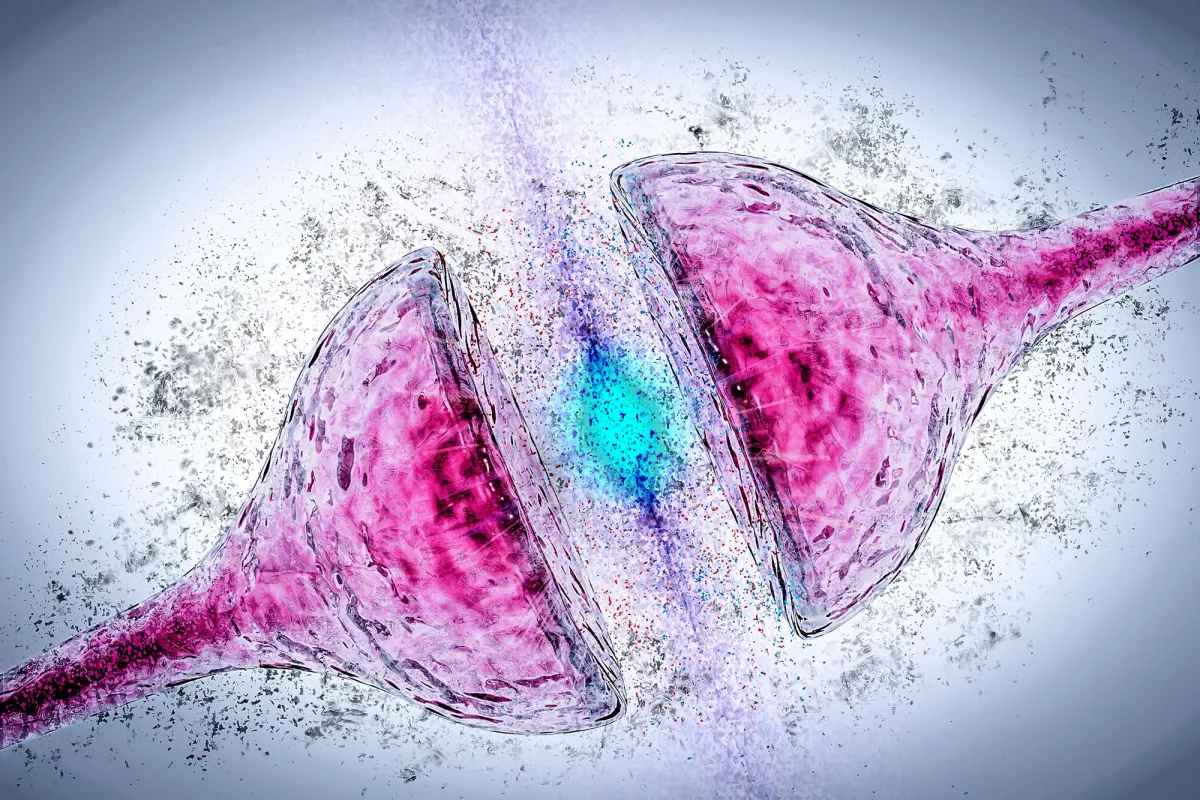
The culprit is calcium. When statins enter muscle cells, some of them bind to a protein called the ryanodine receptor, which acts like a gate controlling calcium flow. The statin essentially jams the gate open, allowing calcium to leak out of the cell's storage compartments. That leak weakens the muscle directly or triggers enzymes that eat away at muscle tissue itself. It's a small mechanism with a big consequence: millions of people abandoning a drug that could prevent heart attacks and strokes.
"I've had patients who refused to take statins because of the side effects," says Andrew Marks, who leads the research team. "It's the most common reason patients quit statins, and it's a very real problem that needs a solution."
We're a new kind of news feed.
Regular news is designed to drain you. We're a non-profit built to restore you. Every story we publish is scored for impact, progress, and hope.
Start Your News DetoxThe breakthrough came from cryo-electron microscopy, a technique that lets scientists photograph molecules in near-atomic detail. The images showed exactly where simvastatin—one common statin—latches onto the ryanodine receptor, like a key fitting into a lock.
Two paths forward
Once you see the lock, you can redesign the key. Marks is now working with chemists to create statins that lower cholesterol just as well but can't bind to the ryanodine receptor. The drug would do its job without triggering the calcium leak.
There's also a second option. In mice, researchers blocked statin-induced calcium leaks using an experimental drug developed in Marks' lab for other calcium-related diseases. These drugs are already being tested in people with rare muscle conditions, which means the path to human trials could move faster than usual. If they work for statin side effects, millions of people could stay on their cholesterol medication without the pain.
Statins are taken by roughly 40 million American adults. Even if this explanation accounts for only a fraction of those experiencing muscle problems, Marks notes, "that's a lot of people we could help." The research doesn't solve the mystery for everyone—muscle side effects are complicated, and this mechanism likely explains only some cases. But for the patients it does help, the difference between knowing why and not knowing is the difference between a medication that works and one they'll never take.