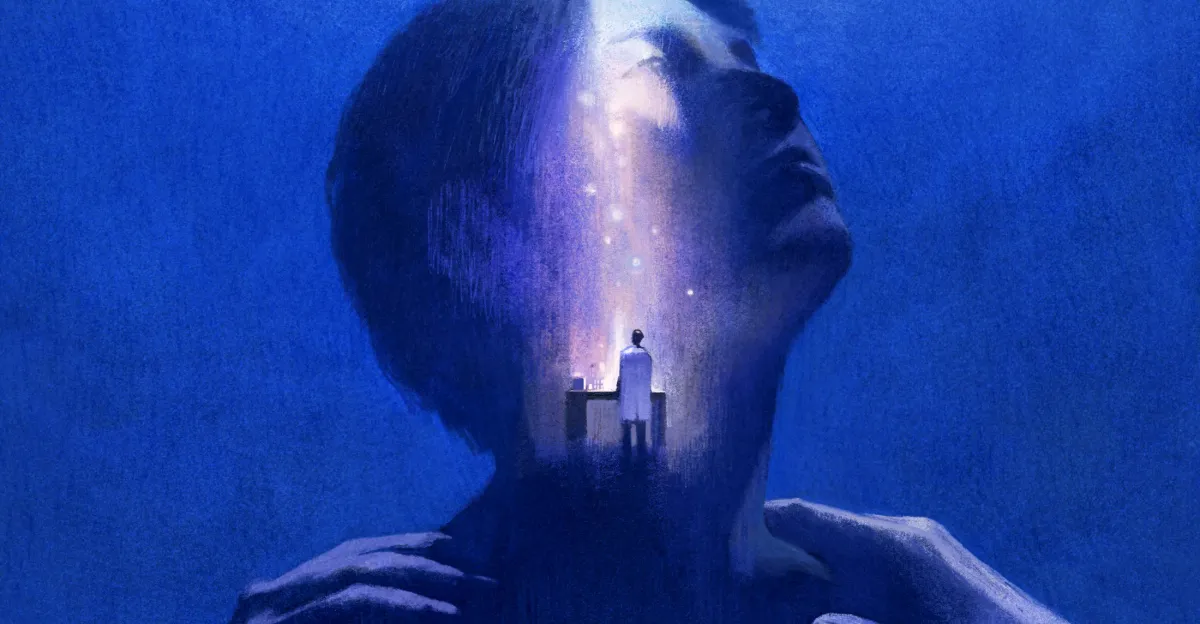
Since 1981, the HIV epidemic has quietly claimed over 44 million lives. For decades, an HIV diagnosis wasn't just bad news; it was often a death sentence. Even now, about 1.3 million people are newly infected every single year.
But here's the plot twist: we've actually made astounding progress. Deaths from AIDS, the condition caused by HIV, have plummeted by a staggering 70% from their peak. We're talking about 30 million people currently managing HIV with antiretroviral treatments, turning what was once a terminal illness into something manageable. Which, if you think about it, is both impressive and slightly terrifying in its quiet revolution.
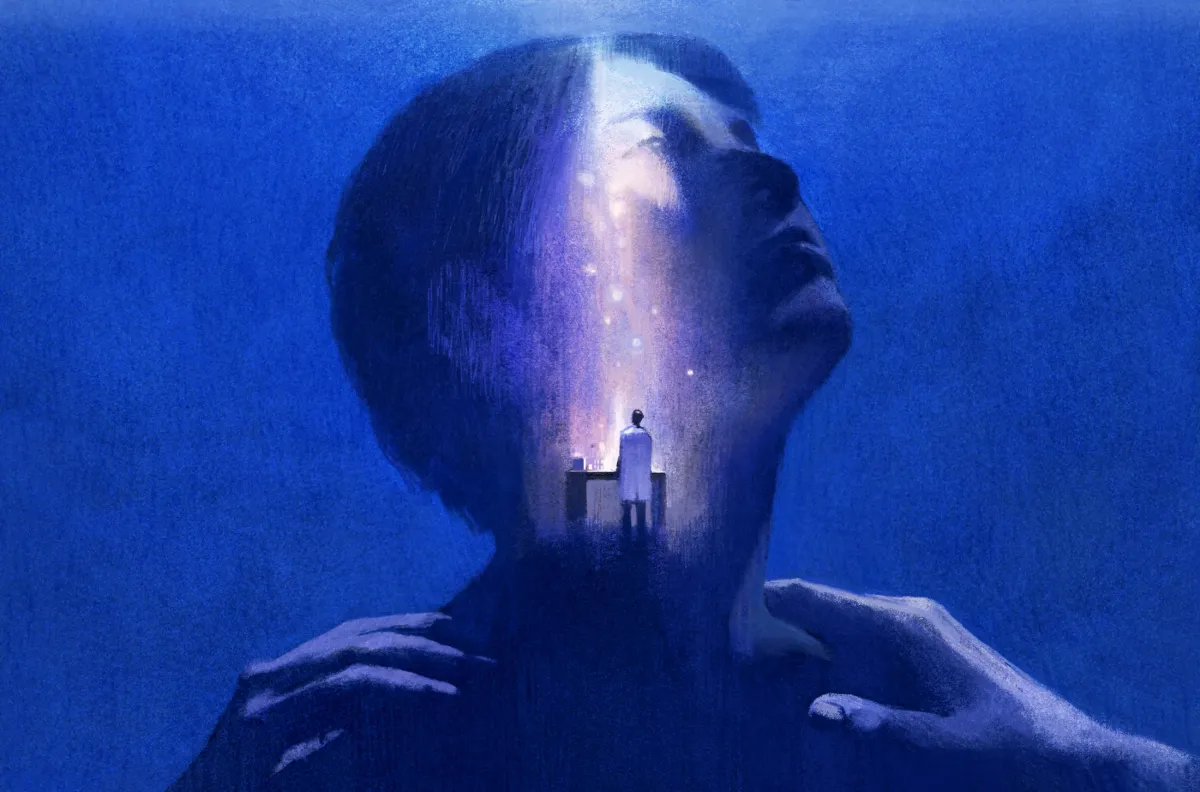
The Finish Line Is In Sight
And it gets better. New breakthroughs are bubbling up, promising things like long-acting drugs that could prevent infection with just one injection every six months. A vaccine, once a distant dream, is now looking genuinely possible. For the first time in history, ending HIV isn't just a hopeful whisper — it's a realistic goal.
We're a new kind of news feed.
Regular news is designed to drain you. We're a non-profit built to restore you. Every story we publish is scored for impact, progress, and hope.
Start Your News DetoxSo, what's the catch? Because there's always a catch, isn't there? Despite all this incredible momentum, global funding and political support are actually decreasing. Health programs that have quite literally saved millions of lives are now facing major cuts, both internationally and right here in the US.
It's a bizarre irony: humanity's fight against HIV is one of our greatest collective achievements, and it's suddenly at risk of stalling out just as we’re nearing the finish line. The question isn't whether we can end HIV anymore. It's whether we will.