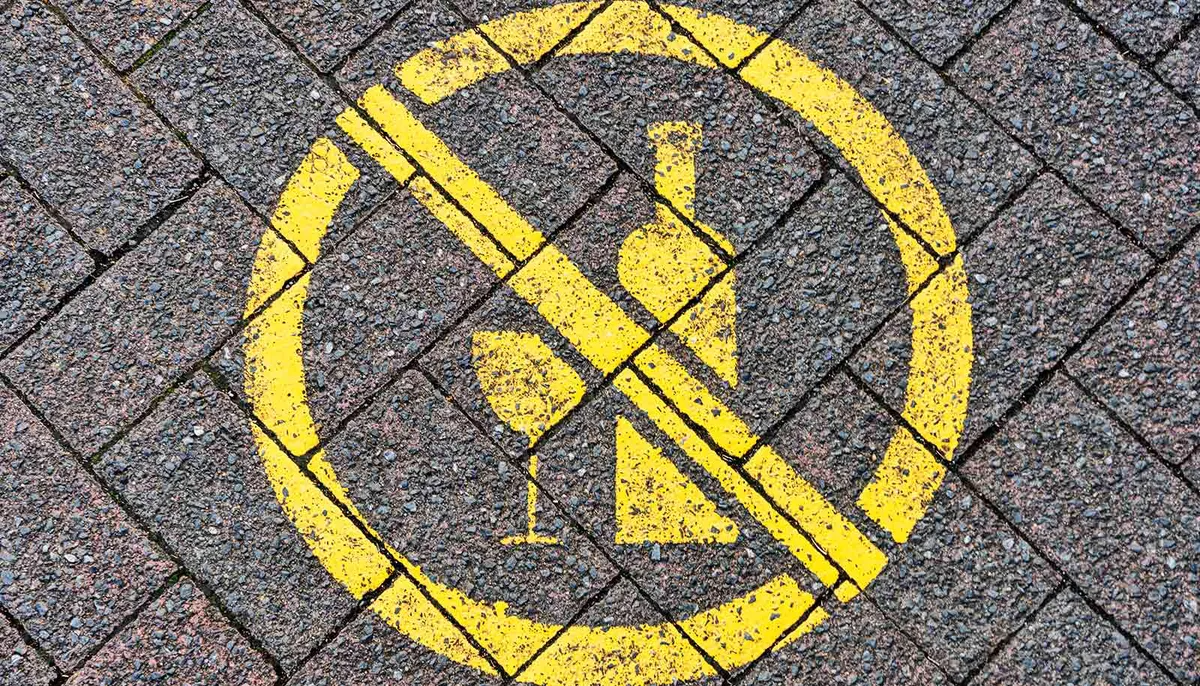
Millions of people start January sober. What began as a quiet wellness experiment has become a genuinely mainstream thing — the kind of challenge you see friends posting about on Instagram, mocktail recipes trending on TikTok, and strangers bonding over in group chats.
Michelle Zaso, a psychologist at Syracuse University who studies these patterns, points to something straightforward: people are thinking more carefully about alcohol's impact on their bodies and minds. But there's something else going on too. The specific shape of Dry January — 31 days, defined, measurable, done — taps into how our brains actually work.
Why a Month Works
Compare "I should drink less" to "I'm not drinking for January." One is vague. The other is concrete. Zaso explains that goals with clear endpoints, specific targets, and measurable progress tend to stick better than open-ended resolutions. You know when you've succeeded. You can track the days. There's a finish line you can see.
We're a new kind of news feed.
Regular news is designed to drain you. We're a non-profit built to restore you. Every story we publish is scored for impact, progress, and hope.
Start Your News DetoxThere's also the community piece. Millions of other people are doing this at the same time. You're swapping mocktail recipes with coworkers, checking in with friends about how you're feeling, celebrating small wins together. What could feel isolating becomes something shared.
What Happens After
Here's what surprised researchers: the benefits don't just vanish on February 1st. A study of young adults in the US found that half reported drinking less in the months following their Dry January, and 15% stopped drinking altogether. People seem to use the month as a kind of mirror — a chance to step back and actually notice their relationship with alcohol, without the usual routines clouding the view.
Physically, the gains are real. Better sleep. More energy. Clearer skin. Improvements in things like insulin resistance. Mental clarity. These aren't subtle changes; people actually feel them.
One fear people have is that they'll binge in February to make up for lost time. The research doesn't support this. For most people who complete the full month, that rebound effect doesn't happen.
Who This Isn't For
Zaso is clear about one important thing: Dry January isn't safe for everyone. If someone has been drinking heavily, stopping abruptly can be medically dangerous. Withdrawal is real. Anyone in that situation should talk to a doctor before making changes — not as a moral thing, just as a practical safety measure.
A Generational Shift
Gen Z is drinking less than previous generations, period. Part of that is health consciousness. Part of it is cultural — choosing not to drink is becoming less of a weird thing and more of just... a choice. Movements like Dry January might actually be accelerating that shift, making it easier for people to opt out without feeling like they're missing something.
Whether it's Dry January, Sober October, or something else, the pattern is clear: taking an intentional break from alcohol tells you something about yourself. And for a lot of people, that month of clarity changes what comes after.