The Problem With One-Size-Fits-All Wolf Control
Wolf culling sounds straightforward: remove the predators, save the endangered caribou. But researchers at the University of British Columbia found something more complicated. Whether killing wolves actually protects newborn calves depends almost entirely on the landscape itself.
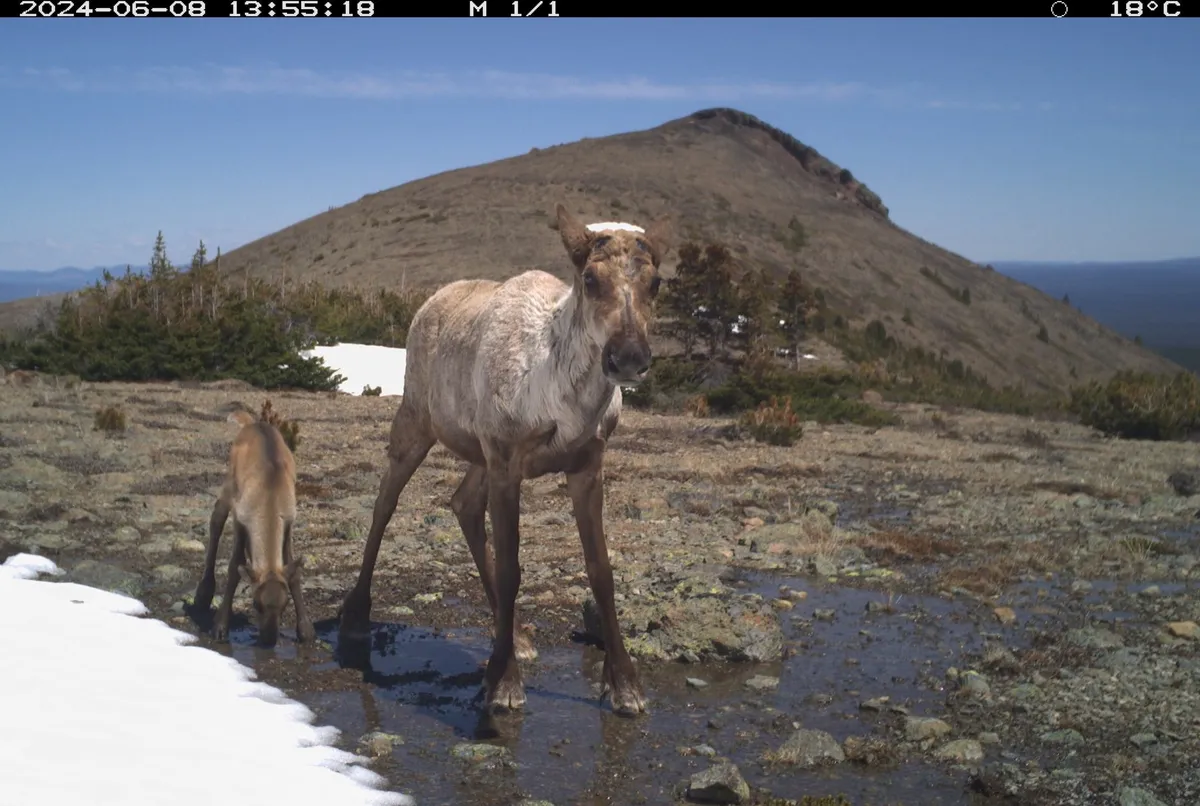
The discovery came from doctoral student Tazarve Gharajehdaghipour and professor Cole Burton, who tracked newborn mountain caribou using GPS collars for the first time. They watched mothers' movement patterns shift dramatically — staying almost motionless during birth, then gradually increasing activity as calves grew stronger, or abruptly returning to normal movement if a calf died. This granular view of the first four weeks of life revealed why wolf control works in some places and fails in others.
Why Terrain Matters More Than You'd Think
The key is understanding which predators can catch calves at different ages. Bears and wolverines are lethal hunters of newborns in the first two weeks, but they can't catch older, faster calves. Wolves, by contrast, hunt successfully across all ages.
We're a new kind of news feed.
Regular news is designed to drain you. We're a non-profit built to restore you. Every story we publish is scored for impact, progress, and hope.
Start Your News DetoxIn rugged, mountainous terrain, this difference becomes everything. Bears and wolverines kill newborns at high elevations, but by the time mother-calf pairs descend to valleys around three weeks old, the calves are too mobile to catch. Wolves become the primary threat at this stage. When researchers removed wolves from these areas, calf survival jumped by 41 percentage points — a dramatic improvement.
But in flatter, more accessible terrain, the story reverses. Wolves can reach calving sites throughout the entire season, including when calves are newly born and vulnerable. Remove the wolves, and bears and wolverines simply fill the gap, killing more young calves. Overall survival stayed the same.
What This Means for Conservation Strategy
The research also revealed that wolves were using horseback trails and ATV routes to access calving grounds — suggesting that limiting trail development could reduce predation in areas where wolf control isn't deployed. Dr. Burton emphasizes the larger problem: "If wolf control is sometimes ineffective and diverts attention from habitat restoration, it's a real concern. Without recovering habitat, you'd have to keep controlling wolves indefinitely."
British Columbia's wolf reduction program now covers 15 caribou herds, but the study suggests a more targeted approach. Rather than assuming wolf removal will always work, managers need to assess the specific landscape, predator communities, and habitat conditions before committing to culling programs.
The researchers used camera traps alongside GPS tracking to map exactly when predators appeared on calving grounds — a combination of tools that could help other regions design more effective strategies. The finding points toward a future where conservation decisions are shaped by landscape-specific evidence rather than blanket policies.