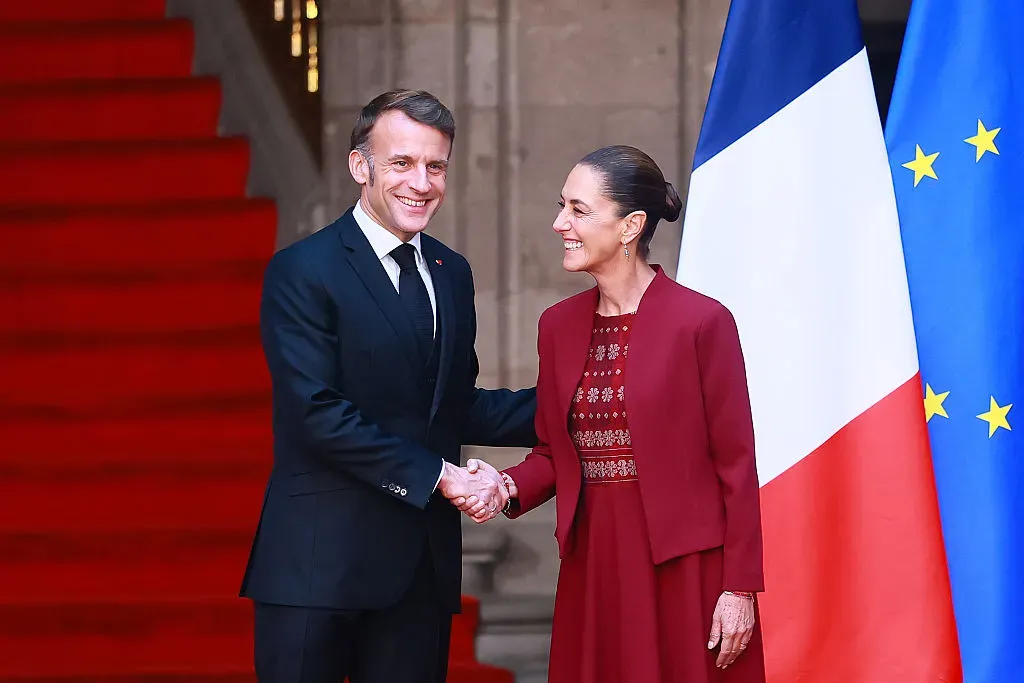
Two rare manuscripts that tell the story of the Aztecs' journey to Tenochtitlan are about to cross the Atlantic in opposite directions. In May 2025, Mexico and France announced they would temporarily swap the Codex Azcatitlán and the Codex Boturini — 16th and 17th century documents that have been separated for nearly two centuries.
The Codex Azcatitlán, held in Paris's Bibliothèque Nationale de France since 1898, will travel to Mexico City. In return, Mexico's Biblioteca Nacional de Antropología e Historia will send the Codex Boturini to Paris. Both codices depict the same pivotal moment in Aztec history: the migration and settlement that led to the founding of Tenochtitlan, now Mexico City.
A Complicated Return
For Mexico, this exchange represents a rare win in a much longer struggle. The country has spent decades trying to bring home Mesoamerican manuscripts scattered across European museums and libraries — documents that were acquired centuries ago, often under colonial circumstances. The challenge is that most of these codices were collected before 1972, when UNESCO established protections for cultural heritage. Without clear legal grounds for repatriation, Mexico has had to rely on diplomatic goodwill instead.
We're a new kind of news feed.
Regular news is designed to drain you. We're a non-profit built to restore you. Every story we publish is scored for impact, progress, and hope.
Start Your News DetoxThe Codex Boturini itself carries this history. It's been in Mexico since 1825, when the Italian historian it's named after was forced to leave it behind when departing New Spain. The Codex Azcatitlán took a different path — it eventually landed in the collection of French collector Eugène Goupil, whose widow donated it to France's national library.
Rita Sumano, an expert on Mexican heritage, notes that these exchanges exist in a legal gray area. "Codices' repatriation relies on goodwill," she explains, "as they were acquired before the 1972 heritage law protecting them."
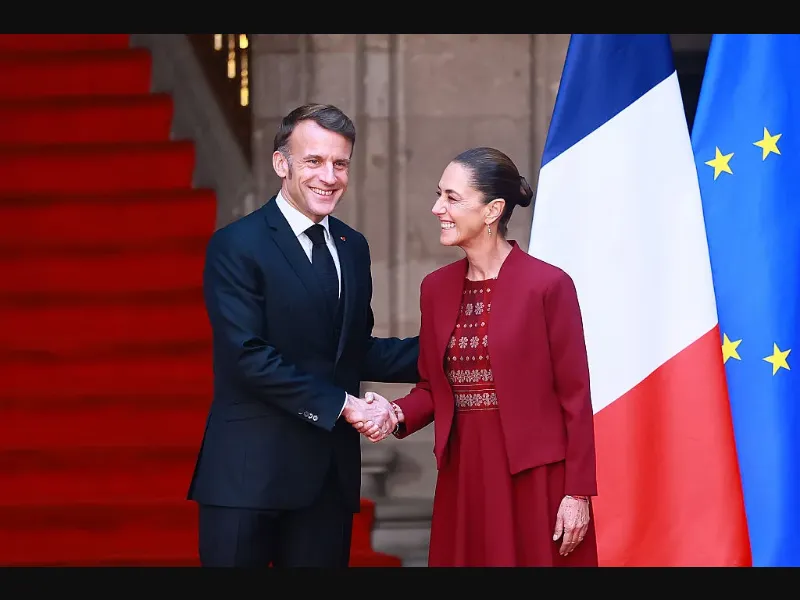
For restitution activists like Emilia Mendoza, the swap is progress — but only a beginning. "The loan is a good signal, but we want something permanent," she told The Art Newspaper. The temporary exchange, announced during a meeting between Mexican President Claudia Sheinbaum and French President Emmanuel Macron, shows what's possible when governments prioritize cultural diplomacy. Whether it becomes a model for permanently returning these manuscripts remains to be seen.