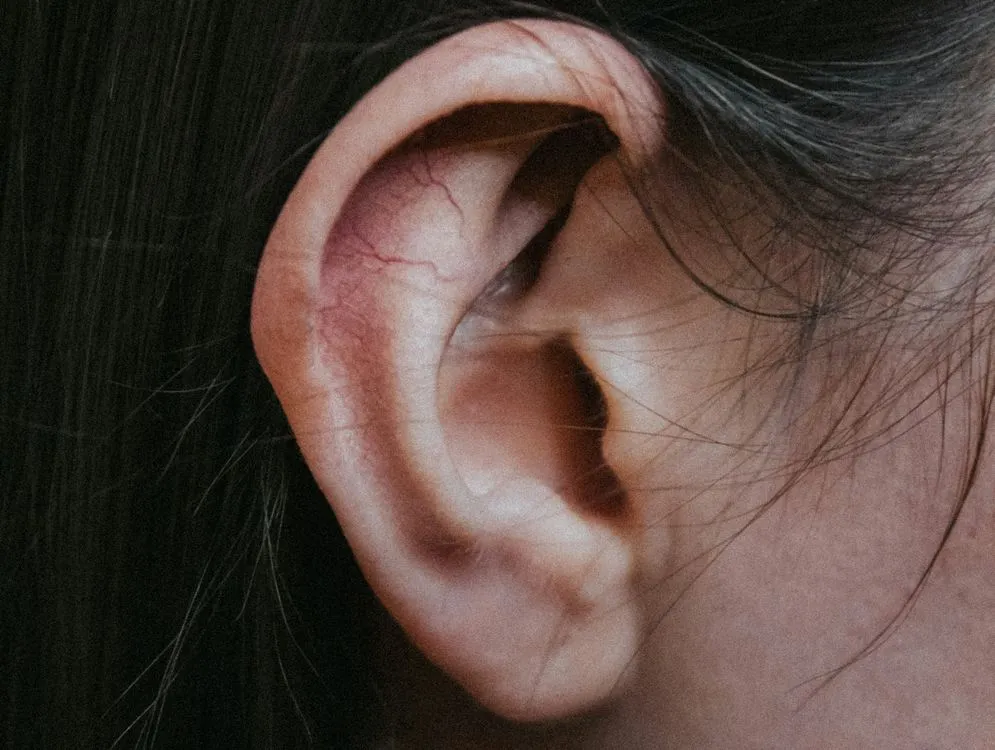
When Ms. Sun's ear was torn off in an industrial accident, surgeons faced an immediate problem: the blood vessels and nerves at the injury site were too damaged for her ear to be reattached right away. Waiting meant risking permanent damage to the tissue. So doctors at a Shandong hospital made an unconventional choice — they grafted her ear onto the top of her foot.
It sounds strange, but there's solid anatomy behind it. The top of the foot and the ear share similar properties: thin skin, stable blood circulation, and blood vessels of comparable size. By grafting the ear there, surgeons could keep it alive and healthy while they waited for the injury site to heal enough to support reattachment. This technique, called "heterotopic survival," essentially uses one part of the body as a temporary life-support system for another.
For five months, the 30-year-old patient wore a specially fitted shoe several sizes too large to protect her grafted ear. During that time, the surgical team monitored the tissue carefully. After an initial worry that the ear might die from lack of blood flow, it gradually regained its color and remained viable.
We're a new kind of news feed.
Regular news is designed to drain you. We're a non-profit built to restore you. Every story we publish is scored for impact, progress, and hope.
Start Your News DetoxOnce the damage at the original injury site had healed sufficiently, the team performed the complex procedure of reconnecting the ear's blood vessels and nerves. The reattachment surgery succeeded, and Ms. Sun is now recovering with her ear restored to its proper place.
What makes this case noteworthy isn't that it's entirely new — surgeons have used heterotopic survival for decades — but that it worked so well for something as delicate as an ear. When immediate reattachment isn't possible, ensuring blood flow through an alternative site can be the difference between preserving tissue and losing it permanently. For Ms. Sun, an unconventional five-month detour gave her the best chance at a full recovery.