The UK is about to get serious about PFAS — the "forever chemicals" that don't break down in water, soil, or your body. The government has announced a national plan to increase testing, restrict their use, and push industry toward safer alternatives by 2029.
PFAS are everywhere in everyday life because they're brilliantly effective at repelling water and stains. You'll find them in non-stick cookware, waterproof clothing, food packaging, and firefighting foam. The problem is exactly what makes them useful: they don't degrade. They accumulate in drinking water, rivers, and animals — including us. Some PFAS compounds are known to be toxic and carcinogenic, though data on the thousands of different PFAS variants remains patchy.
"This is one of the most pressing chemical challenges of our time," Environment Minister Emma Hardy said, signaling this isn't a footnote in environmental policy. The UK plan mirrors the EU's move toward prohibiting non-essential PFAS uses, a regulatory alignment that could accelerate restrictions across both regions.
We're a new kind of news feed.
Regular news is designed to drain you. We're a non-profit built to restore you. Every story we publish is scored for impact, progress, and hope.
Start Your News DetoxWhat's Actually Changing
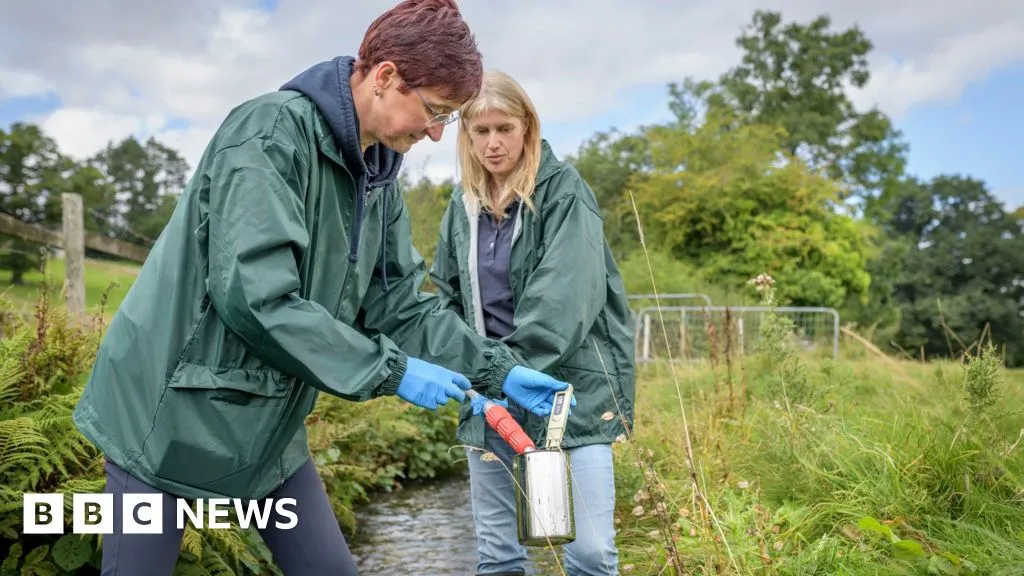
Scotland and Wales will see a 50% increase in water sample testing. England is launching targeted soil surveys in five priority areas and testing animals in coastal zones to map where PFAS hotspots are forming. The government is also working with manufacturers to identify and adopt safer alternatives — some clothing brands are already trialing replacement chemicals that offer the same waterproof performance.
This matters because water companies currently spend heavily to test for and treat PFAS contamination. Removing it at the source — by restricting its use in products — would be far more efficient than treating it downstream. The water industry has called for an outright ban, arguing that's the only realistic solution given how pervasive these chemicals have become.
There's some disagreement on pace. Environmental groups support the precautionary principle — restrict first, ask questions later — while the chemical industry argues finding viable alternatives takes time and investment. The reality is probably both: some PFAS uses can be phased out quickly, others need genuine innovation.
The timeline matters. By 2029, the UK aims to align with EU regulations that will substantially narrow where PFAS can be used. That gives industry roughly five years to transition, which is tight but not impossible given that some replacements already exist.