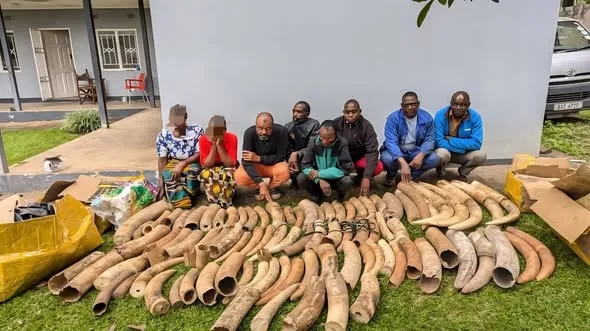
Zambia just pulled off a seriously cool bust, seizing over 1,200 pounds of illegal ivory. That's like, a full-grown polar bear's weight in tusks. Even wilder, they arrested ten people tied to a cross-border crime group.
This wasn't just a lucky break. It was a clever operation, thanks to a tip-off from the U.K.'s Environmental Investigation Agency (EIA). It shows what happens when countries and environmental groups team up.
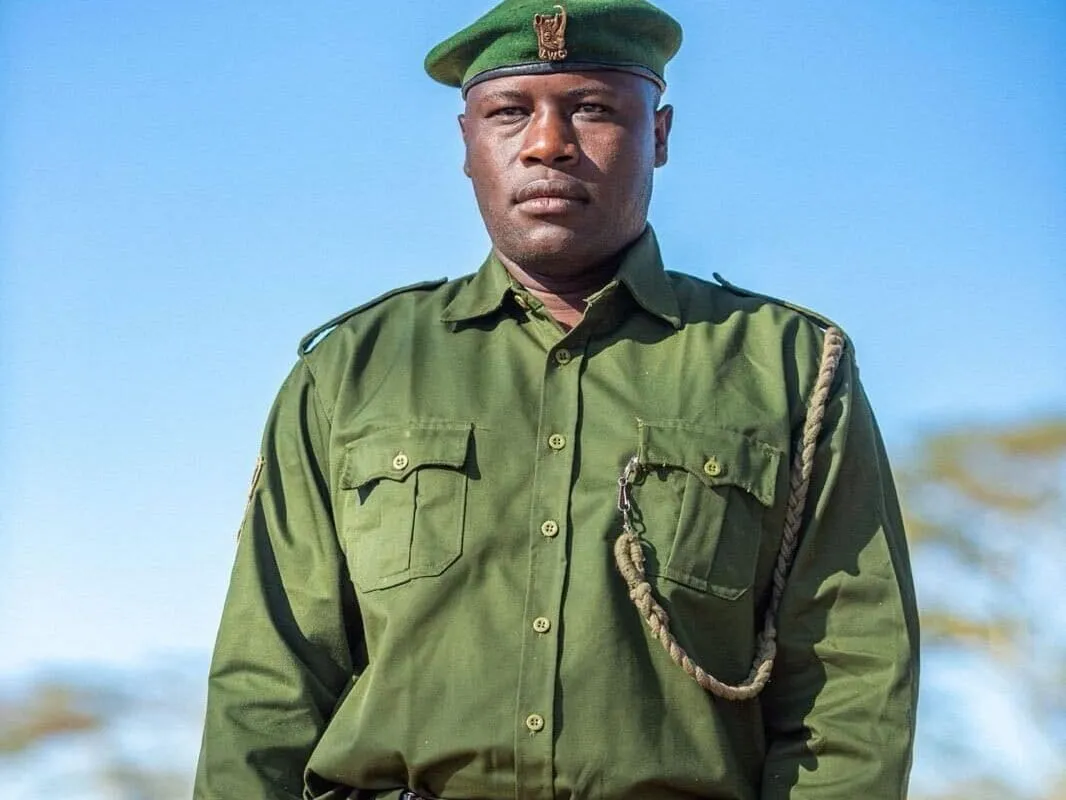
Zambia's Department of National Parks and Wildlife (DNPW) announced the arrests on March 19. They raided several places in Lusaka, the capital, and snagged members of a trafficking network. They even caught a foreign national believed to be the main buyer.
We're a new kind of news feed.
Regular news is designed to drain you. We're a non-profit built to restore you. Every story we publish is scored for impact, progress, and hope.
Start Your News DetoxHere's the thing that really gets you: some of these suspects have been caught for wildlife crimes before. It highlights how persistent these illegal networks are. But this time, they're facing charges for having protected animal parts illegally.
Mary Rice, who heads up the EIA, mentioned that governments are more open to working with groups like hers. These partnerships sometimes even include financial help, which makes a huge difference. They've helped dismantle trafficking rings and get real convictions.
One example? A three-year project with EIA, Interpol, China Customs, Tanzania, Mozambique, and Nigeria. That group took down the infamous Shuidong ivory smuggling network back in 2017. This latest bust in Zambia is another win, proving that smart teamwork can really make a dent in the illegal wildlife trade.