Turns out, the cure for a nasty hangover isn't some magic pill or a greasy breakfast. It's a zebra. Or, more accurately, "zebra striping" your drinks.
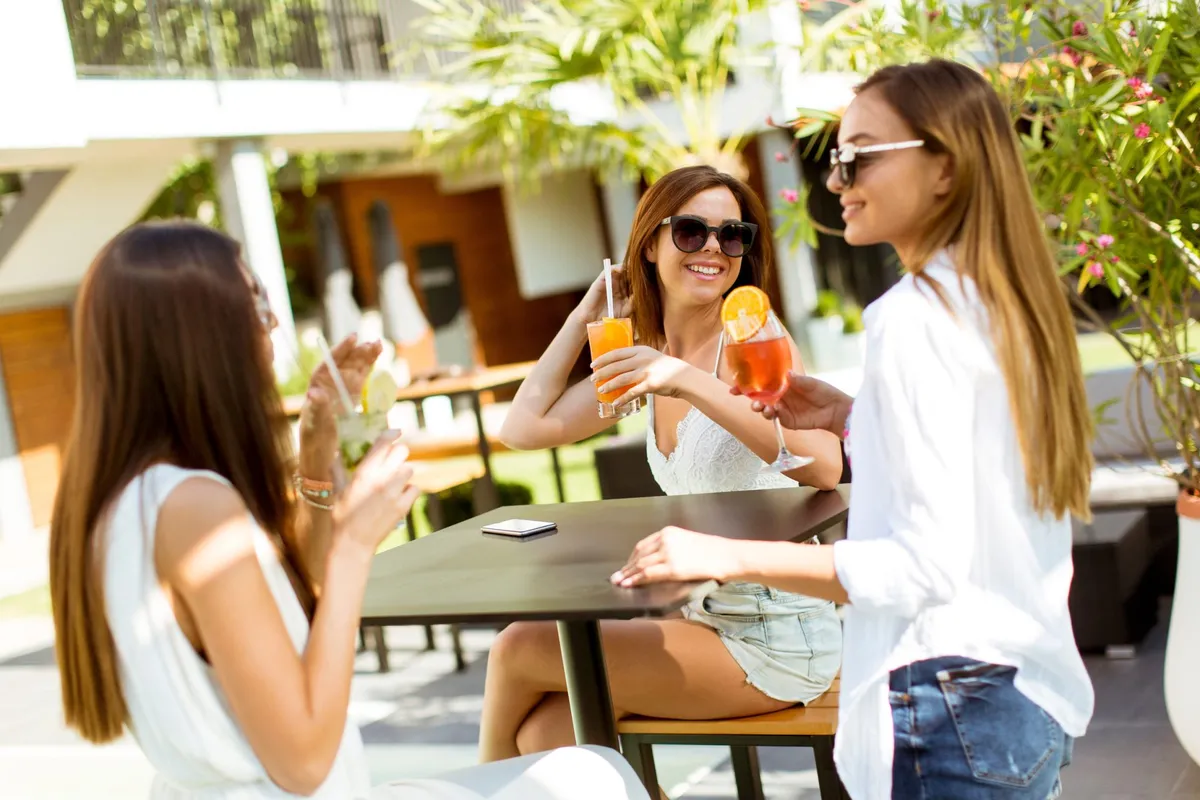
This increasingly popular strategy involves alternating alcoholic drinks with non-alcoholic ones. And while it sounds like it’s all about staying hydrated, the real reason it works is far more interesting — and a lot less about water.
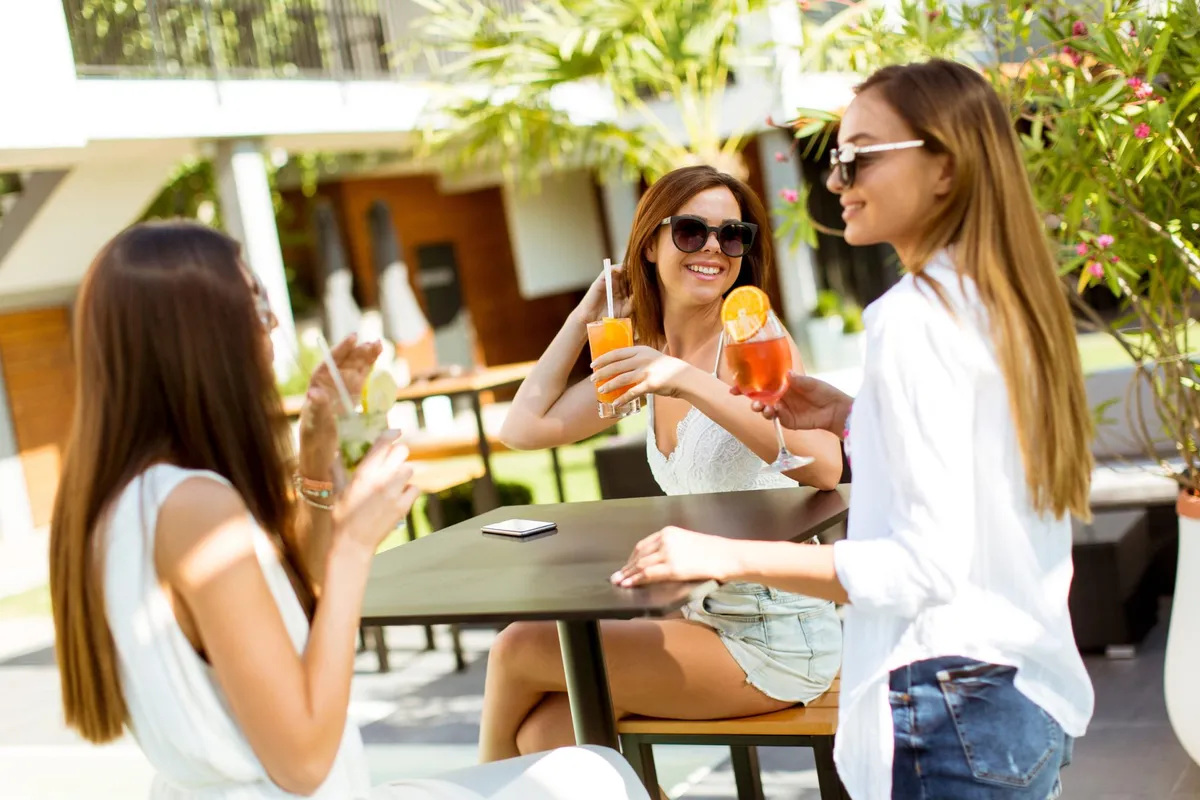
The Real Reason Your Head Will Thank You
Here’s the thing: your liver is a diligent but slow worker. It processes about one standard drink per hour. (In the U.S., that's roughly 5 ounces of wine, 12 ounces of beer, or 1.5 ounces of spirits. Pick your poison.) If you're downing drinks faster than that, your blood alcohol concentration (BAC) shoots up, putting your body under a lot more stress.
We're a new kind of news feed.
Regular news is designed to drain you. We're a non-profit built to restore you. Every story we publish is scored for impact, progress, and hope.
Start Your News DetoxZebra striping acts like a built-in speed bump. By inserting a non-alcoholic drink, you naturally slow your pace, giving your body more time to catch up. This usually means you end up drinking less overall, and crucially, your peak BAC stays lower. Which, if you think about it, is both impressive and slightly terrifying how much difference a little timing makes.
Beyond just avoiding the morning-after regret, a lower BAC means better decision-making and self-control. Researchers at Liverpool John Moores University even found that heavy social drinkers struggled with basic mental tasks like verbal fluency. So, that glass of sparkling water isn't just saving your head; it might be saving you from regrettable texts.

It’s Not Just About Hydration (Sorry, Water Fans)
Most people assume zebra striping works because water combats dehydration, and dehydration causes hangovers. Logical, right? Not quite.
While alcohol does make you lose fluids, and water helps with that (reducing thirst or headaches), dehydration isn't the whole story of a hangover. Hangovers are a complex cocktail of toxins (like acetaldehyde), inflammation, disrupted sleep, and a confused immune system. Hydration only tackles one small piece of that particularly unpleasant puzzle.
A Bubbly Twist
Here’s a fun detail: the type of non-alcoholic drink you choose can actually change how fast you get tipsy. Carbonated mixers — think soda or sparkling water — can speed up alcohol absorption. Those bubbles increase pressure in your stomach, pushing the alcohol into your small intestine faster, leading to a quicker BAC spike. So while fizzy drinks won't make you more drunk overall, they'll get you there sooner. Worth noting for your next zebra stripe.

Ultimately, zebra striping is only effective if it actually leads you to drink less alcohol. If you just stretch out your drinking session or switch to stronger drinks later, the benefit evaporates faster than a shot of tequila. And let's be honest, the self-control required for this strategy tends to be the first thing to go when you need it most.
After decades of research, the science is clear: the only reliable hangover cure is to drink less. Zebra striping is a smart tool to help you do just that. Now, go forth and stripe responsibly.