Across India, a quiet shift is happening. Travelers tired of rushing through destinations are seeking places where they can actually stop, breathe, and feel rooted to the land beneath their feet. A growing network of homestays is meeting this need—not through marketing spin, but through genuine commitment to the ecosystems and communities around them.
These aren't luxury resorts with a sustainability veneer. They're places built with mud and bamboo, powered by solar panels, where guests eat food from the property's own gardens and learn traditions that have sustained the region for generations.
What These Stays Have in Common
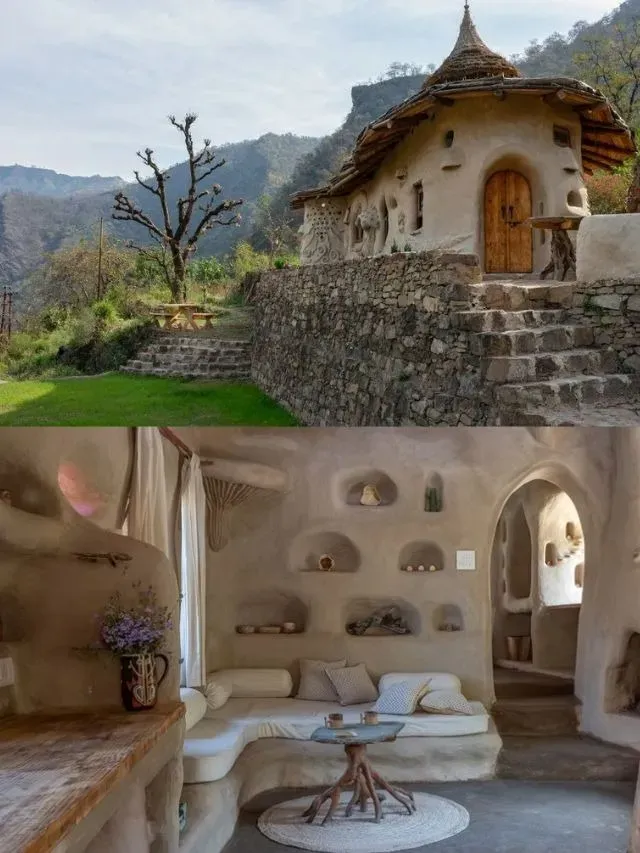
Walk into any of these homestays and you'll notice the same pattern: natural building materials (mud, cob, bamboo), renewable energy systems, and food that never travels far from the kitchen. Medini Homestay near Kaziranga National Park in Assam uses solar power and organic farming while teaching guests about traditional Assamese weaving and cruelty-free silk practices. Three hundred kilometers away in Uttarakhand, Aashraya on the Ganga sits surrounded by 1,000 trees, composts food waste in five days, and recycles water to keep its riverside gardens alive.
We're a new kind of news feed.
Regular news is designed to drain you. We're a non-profit built to restore you. Every story we publish is scored for impact, progress, and hope.
Start Your News DetoxTamil Nadu's O'land Plantation Stay sprawls across 120 acres in the Nilgiris, blending tea tastings with solar-powered accommodation. Down the coast in Kanyakumari, Muthunandhini Palace goes further—built entirely from mud and clay, it features 100-year-old artifacts and upcycled windows, letting guests experience how heritage and sustainability aren't opposites but partners.
The scale varies wildly. Ranade Homestay sits on a 40-acre Alphonso mango farm where guests learn organic farming between meals built around the season's harvest. Tiny Farm Fort in Rishikesh was constructed by 90 volunteers from 18 countries using cob—a mixture of straw, clay, and water—and features rooftop gardens and thick mud walls that keep interiors cool without air conditioning.
Some of these places started from near-ruin. Greenara Mud Homestay in Kerala was once barren mining land; it's now surrounded by seven water bodies and functioning as a reforestation project. Adiem Kaanan Farmstay in Maharashtra's Nashik district channels 32,000 liters of rainwater annually, turning a six-acre plot into a working farm where guests can pluck fruit and watch birds.
Why This Matters
These homestays aren't just offering an alternative to hotels. They're proving that tourism can actively improve the places it touches rather than extract from them. Guests don't just stay; they participate—learning to farm, understanding local weaving traditions, composting their own waste, tasting food they watched grow that morning. It's the opposite of the usual travel experience where you consume a place and move on.
The economic model matters too. Money stays local. Communities control the narrative about their own land and culture. Hosts aren't performing authenticity for outsiders; they're inviting people into how they actually live.
What started as scattered experiments is becoming a movement. More travelers are actively seeking these stays. More communities are realizing that their land, their knowledge, and their way of living—the things they might have seen as economically worthless in a conventional tourism model—are exactly what people are traveling to experience. The homestays that have figured this out aren't waiting for certification or awards. They're simply building better, living lighter, and letting word spread.