Half a million pounds of rusted metal is coming out of the Montana prairie, and what's left behind is space.
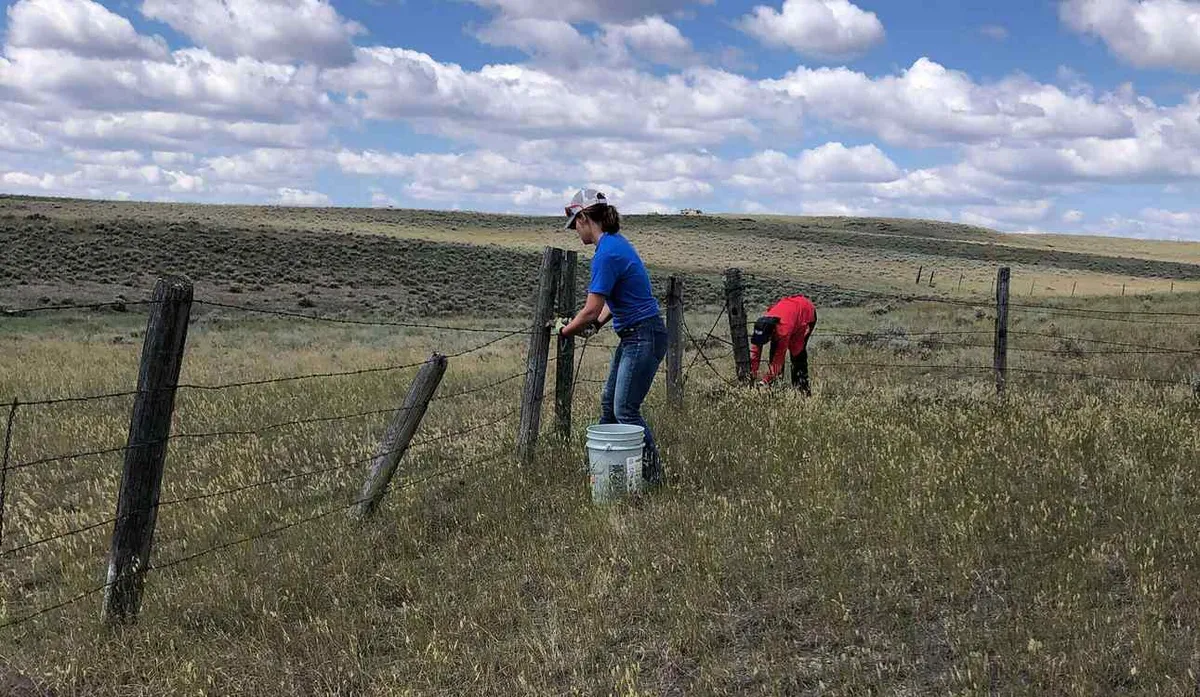
The American Prairie, a nonprofit working to restore the Great Plains, has pulled 100 miles of derelict barbed wire fencing from its land holdings in the past year. That's 500,000 pounds of scrap metal—the physical remnant of a century of dividing landscape that was never meant to be divided.
Making Room for Movement
The organization has been quietly acquiring and leasing land between the Charles M. Russell National Wildlife Refuge and the Upper Missouri Breaks National Monument, stitching together a vision of 2.3 million acres where animals can move the way they did before fences. The removed barbed wire isn't just being hauled away; it's being replaced with wildlife-friendly electric fencing—the kind that stops a bison but lets elk, mule deer, and pronghorn pass through.
We're a new kind of news feed.
Regular news is designed to drain you. We're a non-profit built to restore you. Every story we publish is scored for impact, progress, and hope.
Start Your News DetoxIt's a practical solution to a specific problem: how do you protect livestock interests while letting a landscape breathe again. The answer, it turns out, is knowing which barriers to keep and which to remove.
The bison herd on the reserve tells the story of what becomes possible when you do. In just a few years, the population has grown from 16 animals to 940, roaming across 48,000 acres. These aren't symbolic bison in a small enclosure—they're moving, grazing, shaping the landscape the way their ancestors did for millennia. A single bison herd that size fundamentally changes how a prairie functions, how soil holds water, which plants thrive, and which birds nest where.
This matters because the Great North American Prairie has already lost over 90% of its original expanse. What remains is fragmented, often fenced into small parcels that don't allow for the kind of large-scale animal movement that keeps grassland ecosystems healthy. The American Prairie's work is essentially reversing that fragmentation, one mile of fence at a time.
The organization, funded entirely through donations, has also built something else into this vision: access. Visitors can stargazing, hunt, and explore the reserve. It's a model that argues restoration and human experience aren't opposed—that a working prairie can be both wild and open to people who want to understand what wildness means.
The next phase is already underway. With the fencing removed and the bison herd established, the question shifts: what other species return when the barriers come down.