Anika Puri, a recent graduate of MIT, started in STEM at a young age. At 17, she won the Peggy Scripps Award for Science Communication at a science fair in 2022. Her invention was inspired by childhood trips to India.
Puri often traveled to India with her family. There, she saw the illegal ivory trade firsthand. Markets were full of products from trafficked and killed elephants. Even though the ivory trade has been illegal for decades and elephant hunting banned since the 1970s, the problem continued.
"I was quite taken aback," Puri told Smithsonian Magazine when she was 17. She wondered why poaching was still such a big issue if it was illegal.
We're a new kind of news feed.
Regular news is designed to drain you. We're a non-profit built to restore you. Every story we publish is scored for impact, progress, and hope.
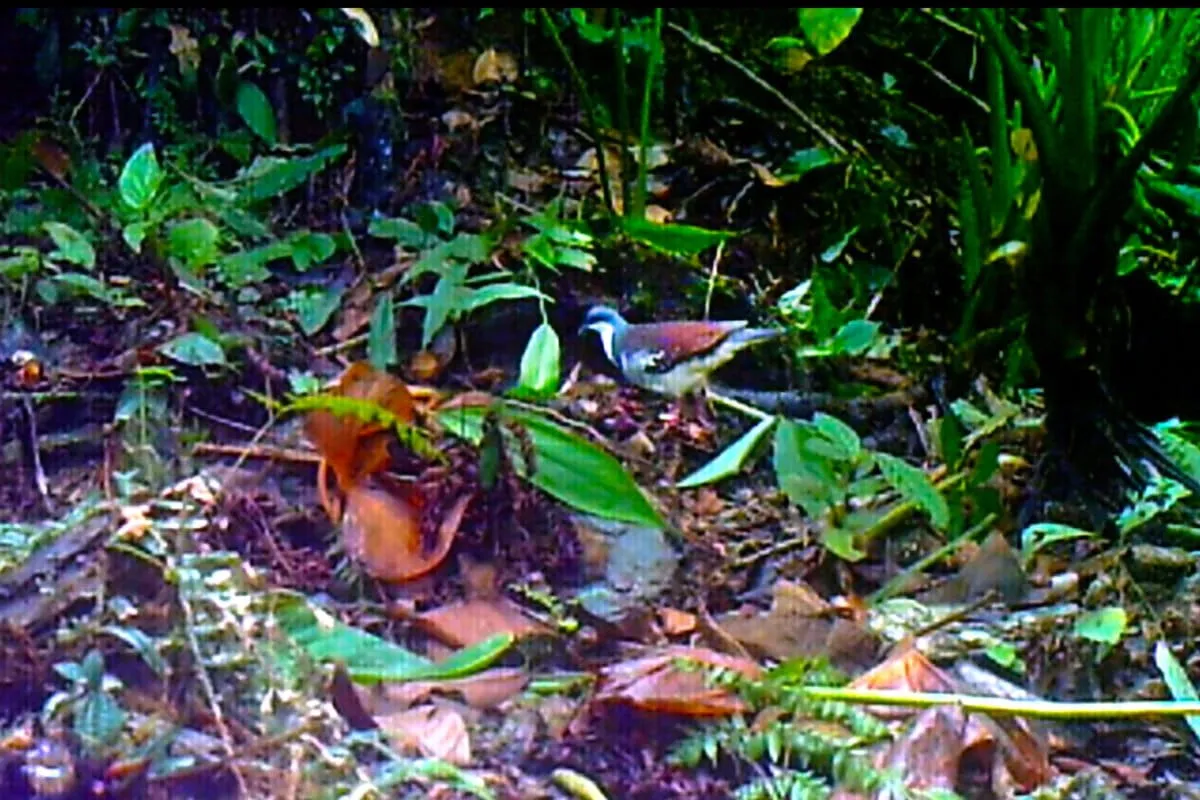
Start Your News DetoxShe learned that drones were used to find poachers, but they weren't always accurate or timely. However, watching drone footage gave her an idea. Puri noticed that elephants and humans move very differently. Their speeds, turning patterns, and other movements were distinct.
"I realized that we could use this disparity between these two movement patterns in order to actually increase the detection accuracy of potential poachers," she explained.
EISa: A New Tool Against Poaching
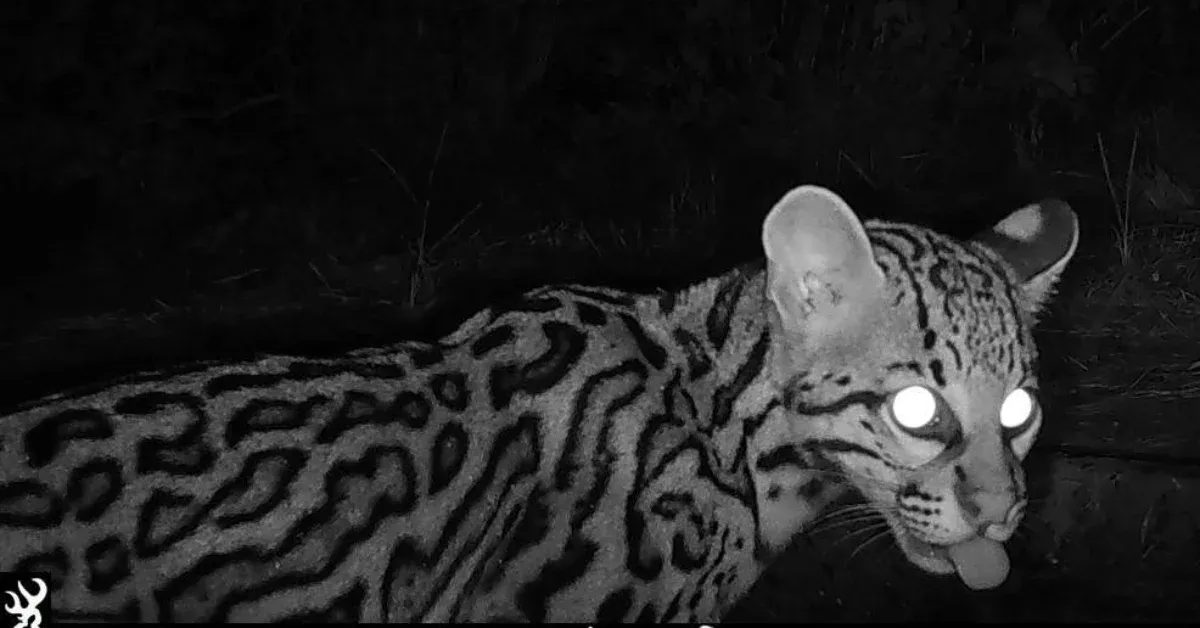
Puri invented EISa, short for elephant savior. This low-cost, AI-powered tool uses thermal and infrared videos. It detects movement patterns from drone footage in real time. This helps it tell the difference between elephants and potential poachers more accurately.
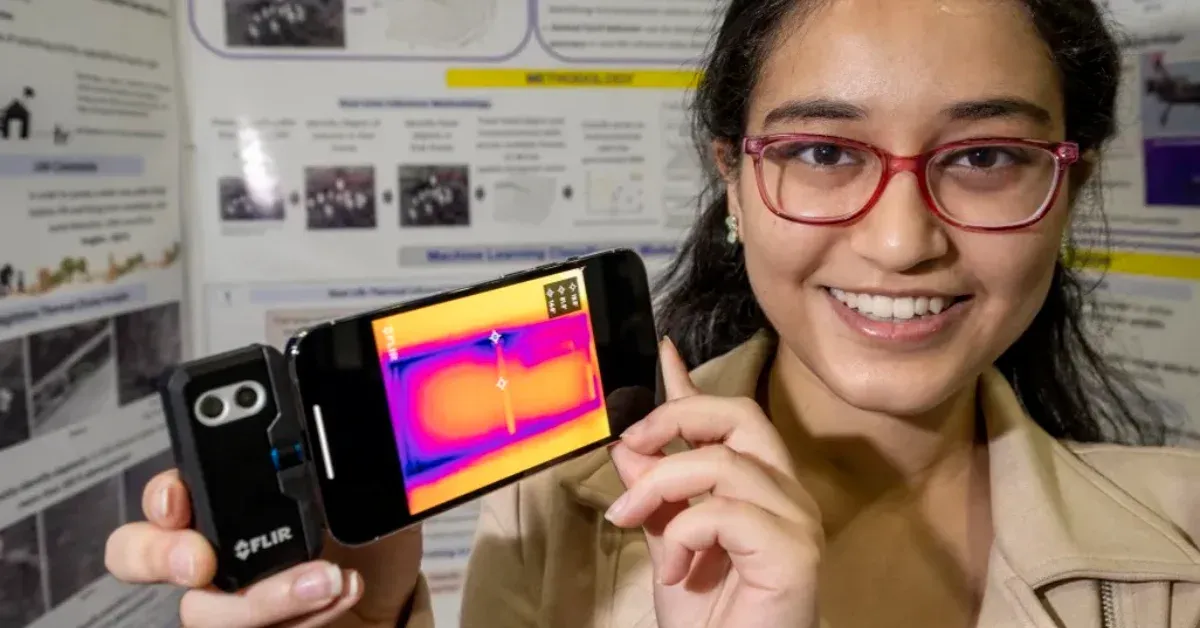
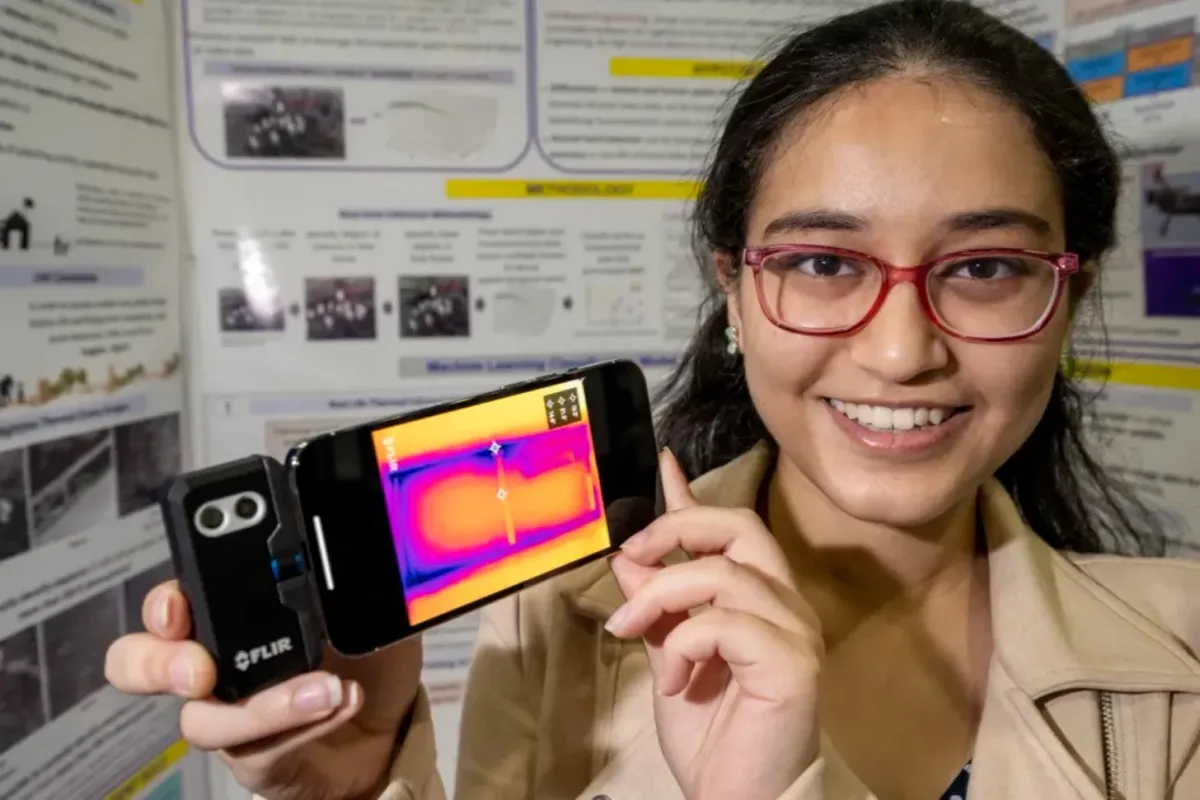
The device uses a $250 thermal camera that plugs into an iPhone. When attached to a drone, it provides real-time information as it flies over a park. Field tests showed Puri's invention could detect humans with over 90% accuracy.
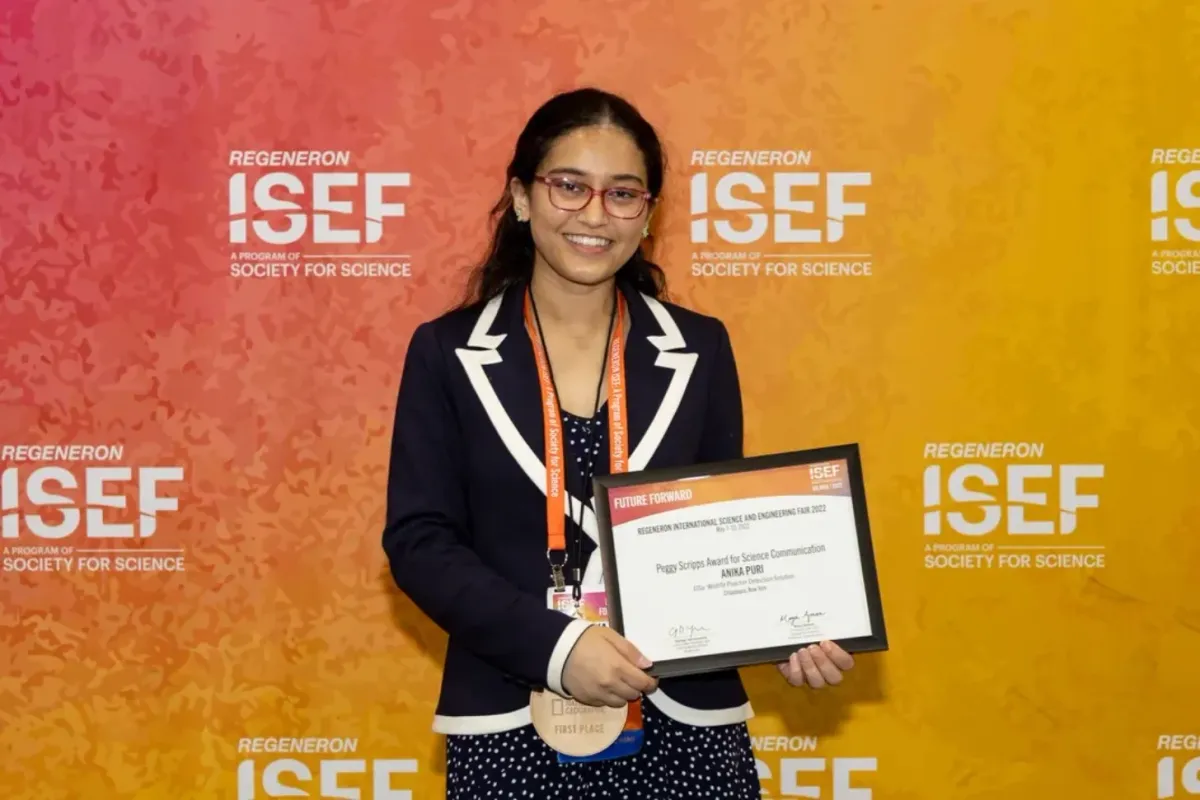
Puri submitted her project to ISEF 2022, the world's largest pre-college STEM competition. She won the $10,000 prize and a top award in the earth and environmental sciences category.
"It's really amazing just to see all these kids coming together. And for the same purpose — enjoying science and doing research," Puri said. "I was honored just to be on that stage."
A Future in AI and Social Good
This poacher-tracking invention was not Puri's first experience with AI. She attended a summer program at Stanford's AI Lab. After high school, she worked as a research assistant at Harvard's Computational Health Informatics Center.
She recently graduated from MIT in June 2026 with dual Bachelor's degrees. She studied business management and AI and computer science. Puri continues to thrive in STEM.
She has completed AI research and engineering internships with Goldman Sachs and Nvidia. She is also part of the Bernard M. Gordon MIT Engineering Leadership Program.
"Initially, my enthusiasm for artificial intelligence was based off of this limitless possibility for social good," Puri told Smithsonian Magazine in 2022.
She later realized that AI can have biases from its human creators. "It really has the capability to reinforce some of the worst aspects of our society," she noted. This made her see how important it is for women, people of color, and other minorities to be at the forefront of groundbreaking technology.
Deep Dive & References
Five Questions with Anika Puri, $10,000 Peggy Scripps Award for Science Communication ISEF 2022 - Society for Science, 2022 This Teenager Invented a Low-Cost Tool to Spot Elephant Poachers in Real Time - Smithsonian Magazine, 2022 Anika Puri LinkedIn Profile