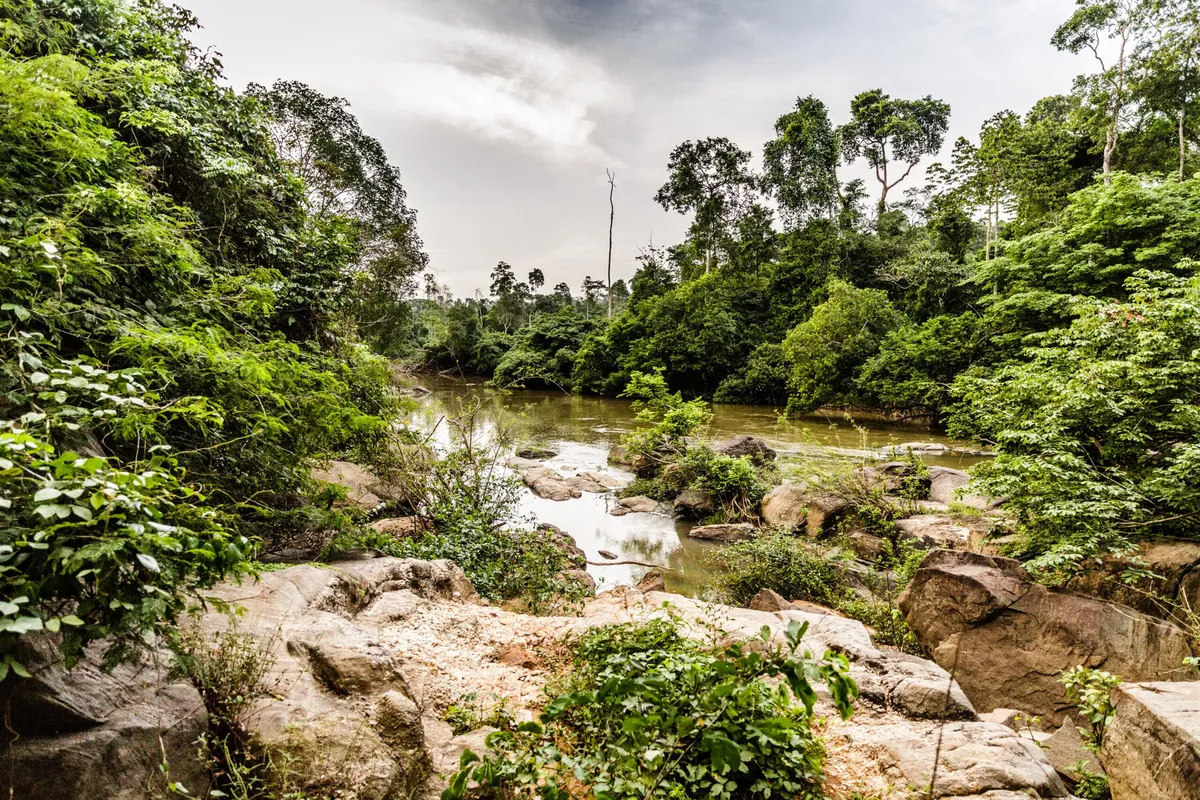
Sunday Abiodun can often sense animals nearby from a broken twig or birds stopping their songs. For 15 years, he used these skills to hunt for his family and to sell bushmeat. Now, he uses the same instincts to find hidden wire snares and track poachers in Omo Forest Reserve, one of Nigeria’s last rainforests.
Abiodun, in his early 40s, grew up in Ogun State, Nigeria. Hunting was a family tradition passed down from his father and grandfather. He hunted animals like pangolins, which are now heavily trafficked worldwide. He had planned to teach his son to hunt as well.
As an adult, Abiodun noticed changes in the forest. Animals like buffalo and leopards, once common, became scarce. "I realized something wasn’t right," he said. In 2017, he became a volunteer ranger with the Nigerian Conservation Foundation (NCF). He now protects the same forest where he once hunted.
We're a new kind of news feed.
Regular news is designed to drain you. We're a non-profit built to restore you. Every story we publish is scored for impact, progress, and hope.
Start Your News DetoxTurning Hunters into Protectors
The NCF, founded in the 1980s, is one of Nigeria’s oldest conservation groups. It works with government and local communities to protect forests and wildlife. A major effort is in Omo Forest Reserve, where they run anti-poaching patrols and work with nearby communities.
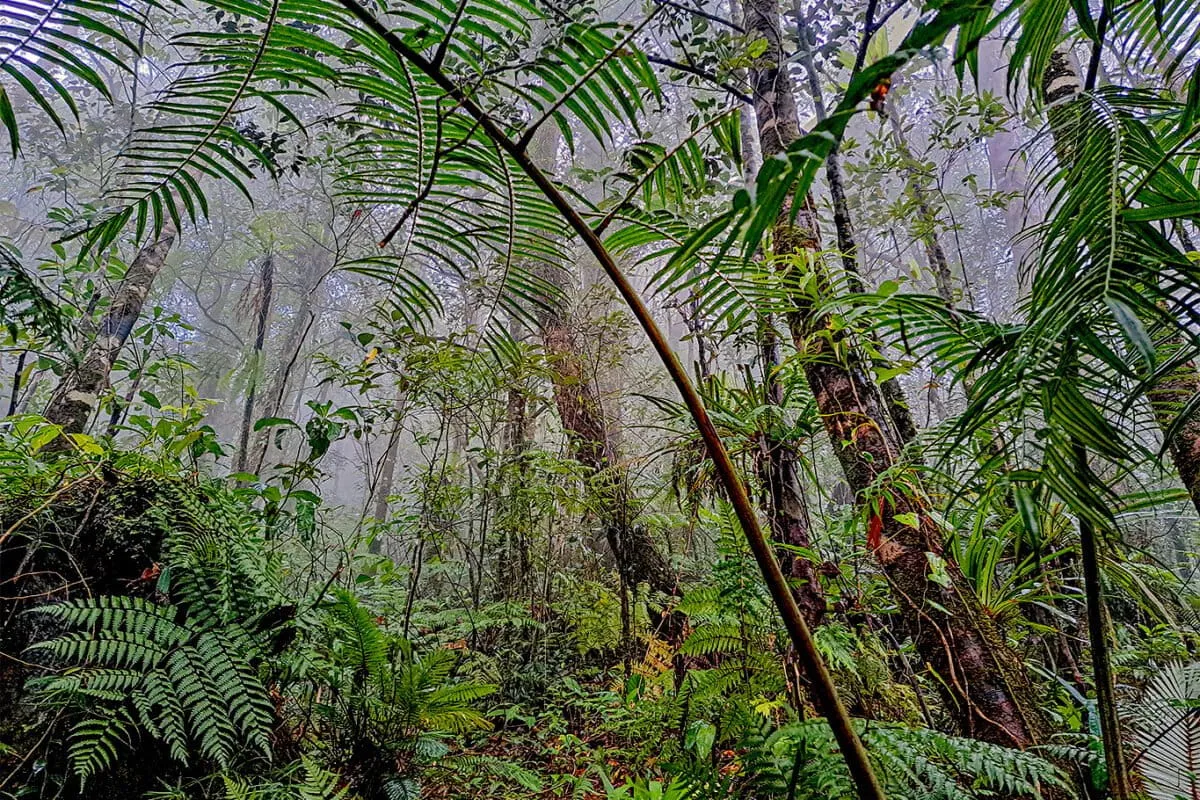
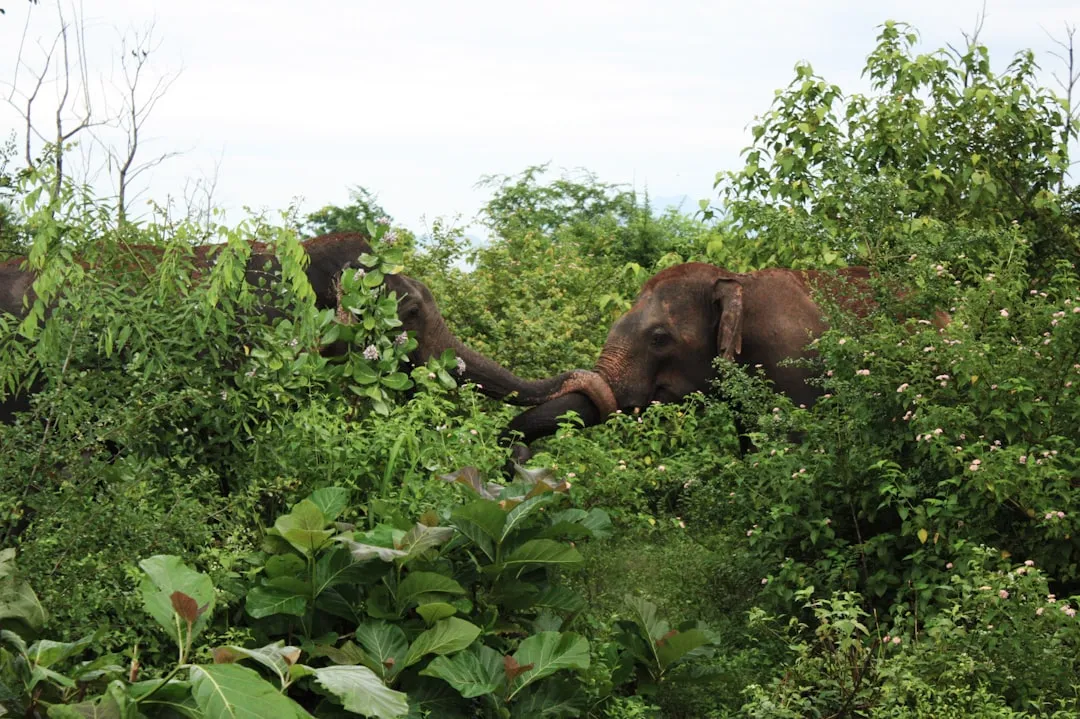
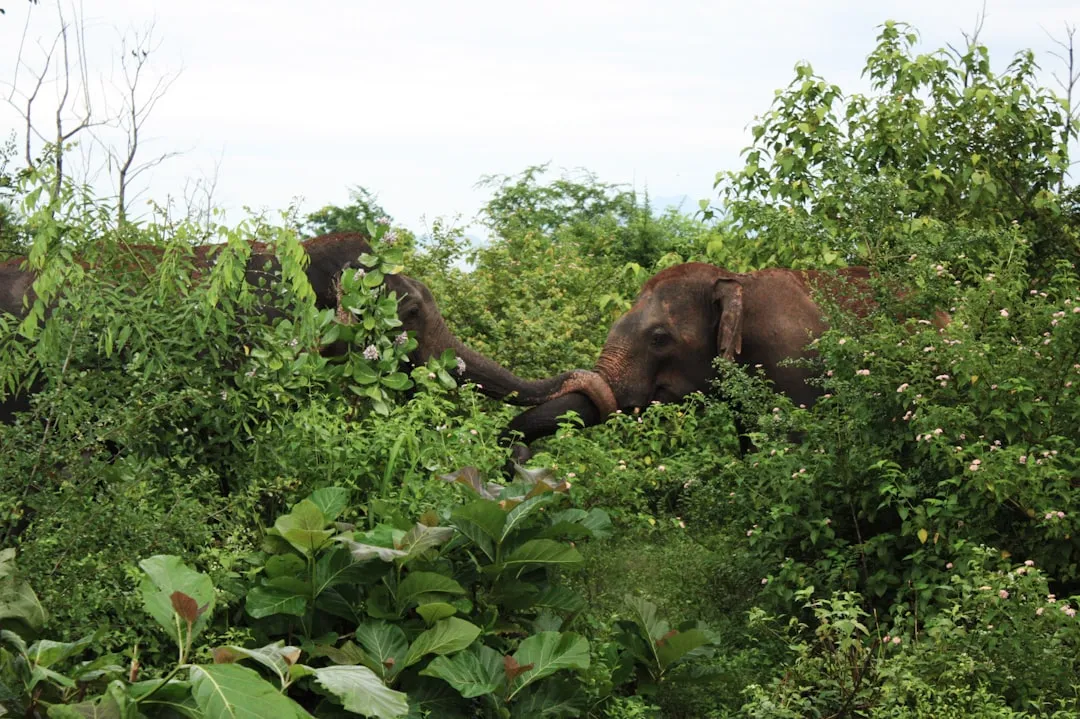
Omo Reserve covers about 130,500 hectares and is part of a UNESCO Biosphere Reserve. It is home to forest elephants, chimpanzees, and the endangered white-throated guenon, a type of monkey. However, like many Nigerian rainforests, it has suffered from illegal logging and poaching.
Dr. Mark Ofua, a wildlife veterinarian, notes that Nigeria's forests are in poor condition. Years of illegal logging, farming expansion, and poaching have harmed ecosystems. These ecosystems support both wildlife and the communities that rely on them.
Omo is not the only forest facing pressure. Across Nigeria, these issues shrink wildlife habitats. In 2025 alone, Nigeria lost about 240,000 hectares of natural forest, which is about 1.2% of its remaining forest cover.
At Omo, the NCF uses a new approach. Instead of only using trained conservation officers, they hire former hunters and poachers as rangers. Emmanuel Olabode, who manages the project, believes that those who know the forest best are often those who once hunted in it.
Olabode says their deep understanding of the forest, combined with training, has greatly improved wildlife protection. It also creates stable jobs for local community members. Dr. Ofua agrees, saying, "They already know the ways of the forest. They know the ways of animals. They know the dangers." He adds that it's "just a change of mindset — from being a killer of animals to a protector of animals."
Abiodun is one of about ten former poachers now working as rangers in Omo. A regular salary helped him make the change. He also noticed that he had to go deeper into the forest to find animals that used to be easy to spot. This made him think more about what was happening.
Olabode says many hunters in the area had similar experiences. Poaching and fewer animals made hunting less productive. Through community talks, some hunters saw conservation as a better way to earn a living and help restore the forest.
Before becoming full-time rangers, recruits get training in wildlife protection, patrol methods, wildlife monitoring, and community engagement. They then have a three-month trial period with experienced rangers.
Today, Abiodun works week-long shifts at Elephant Camp, a solar-powered base deep in the reserve. Rangers patrol on foot and by motorcycle. They remove snares, arrest poachers, clear illegal farms, and plant native trees in damaged forest areas. Dr. Ofua notes that many former poachers become dedicated conservationists once they understand why protecting wildlife is important.
Signs the Forest is Recovering
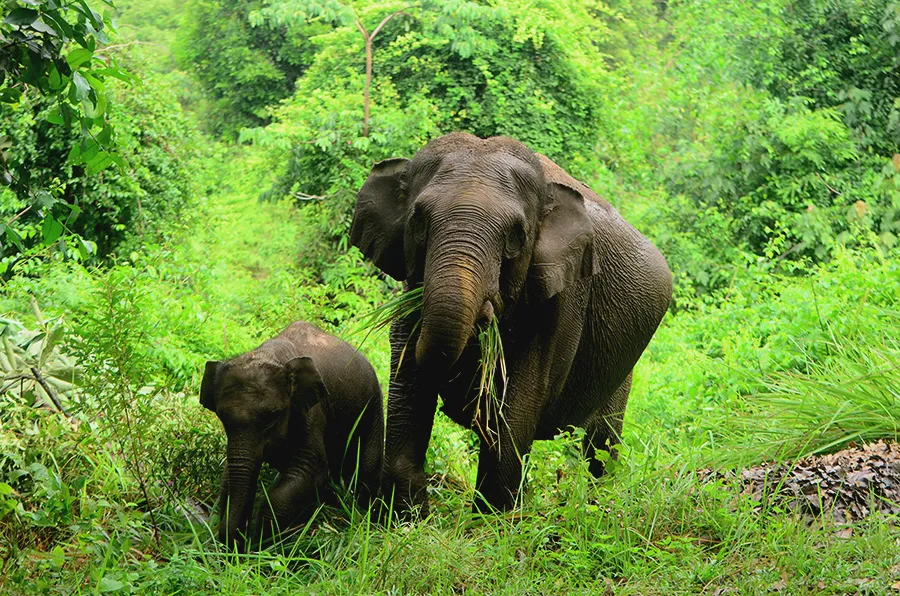
There are signs this approach is working. Camera traps have shown forest elephants returning to parts of the reserve where they hadn't been seen for years. Rangers have also found fresh elephant dung, seen more white-throated guenons, and observed native plants growing back on land once cleared by logging.
Dr. Ofua explains that the elephants' presence is vital for more than just their own survival. They eat fruit and spread seeds, helping the ecosystem regenerate. Their return suggests the entire forest, not just one species, is starting to recover.
For Abiodun, the biggest change has been personal. He now works with nearby communities, explaining why wildlife matters. He tells residents how pangolins help control insects that harm crops and how vultures prevent disease by eating animal carcasses. "I work closely with them, helping them understand that we must work collectively to protect what’s left for our benefit and for generations to come," he says.
The program has not solved all of Omo's challenges. Ten rangers protect a large, difficult-to-patrol forest. While poaching is still an issue, illegal logging and cocoa farming have become bigger threats. Many offenders return after arrest because prosecutions are rare.
Dr. Ofua says weak enforcement is a major obstacle for conservation. He sometimes has to explain wildlife laws to officers before they take action. Even so, he believes turning former poachers into protectors creates a lasting change. "Poaching often runs in families," he says. "By the time you make a conservationist out of one of them, you have broken that vicious cycle because his son is going to meet a conservationist, not a poacher."
For Abiodun, that cycle is already broken. His instincts now protect one of Nigeria's last rainforests. This new tradition is what he will pass down to his children.