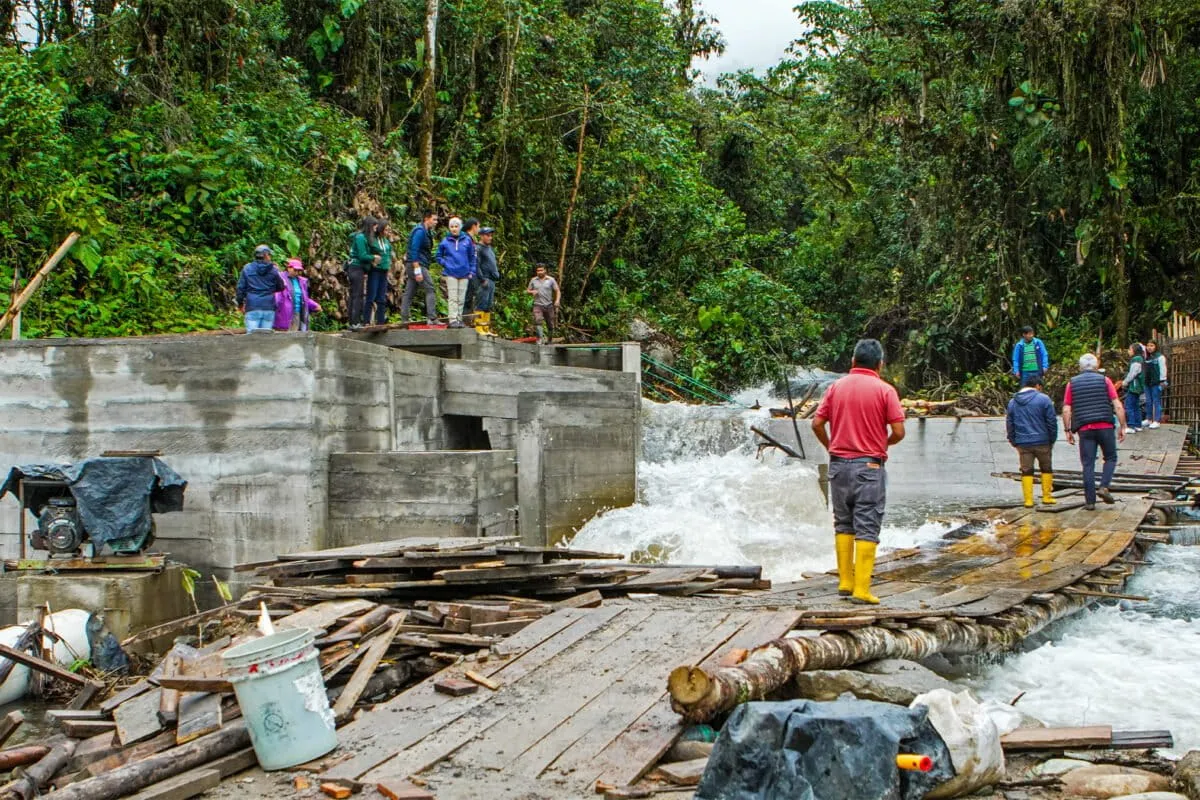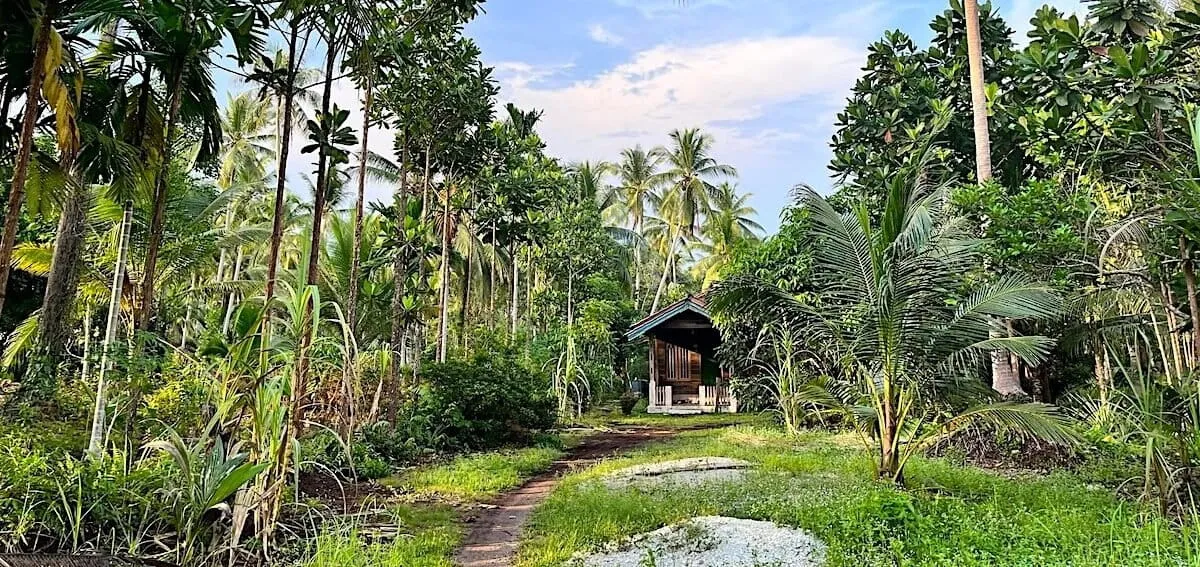
Global efforts to plant a trillion trees sound great on paper. Big numbers, big goals, everyone high-fiving about fighting climate change and saving biodiversity. Think the U.N. Decade on Ecosystem Restoration, The Nature Conservancy's "Plant a Billion Trees," or the World Economic Forum's "One Trillion Tree Initiative." All noble, all necessary. But there’s a catch, and it’s a pretty big one: just planting a tree doesn't mean it's going to stick around.
Turns out, getting trees to actually survive, thrive, and adapt to a rapidly changing climate is less about sheer volume and more about… well, knowing your dirt. And that's where the fancy scientific knowledge often misses a trick, because generations of local wisdom might just have it beat.
The Secret Weapon: Local Tree Whisperers
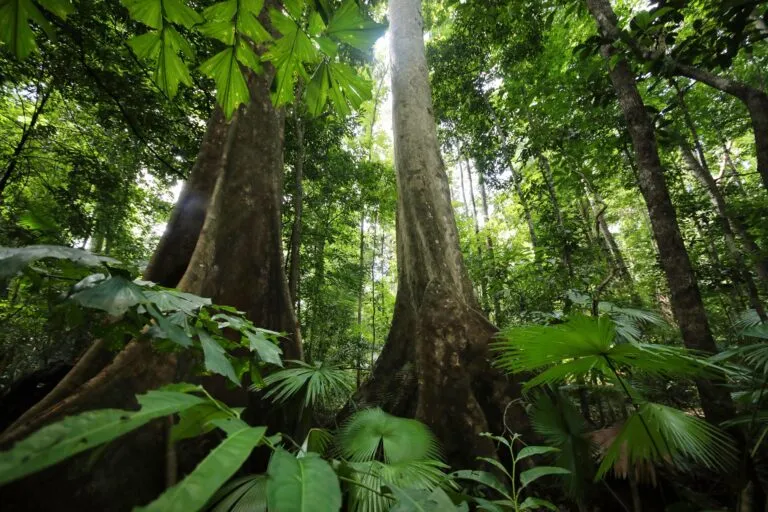
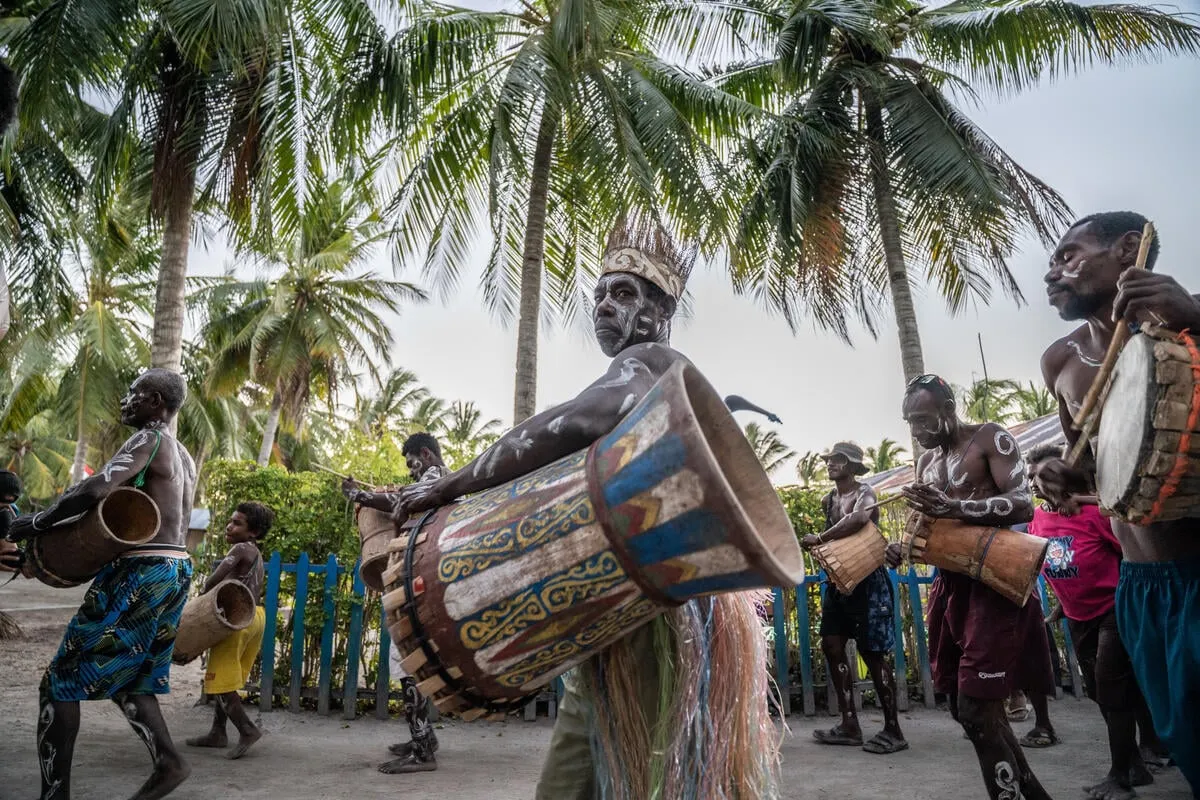
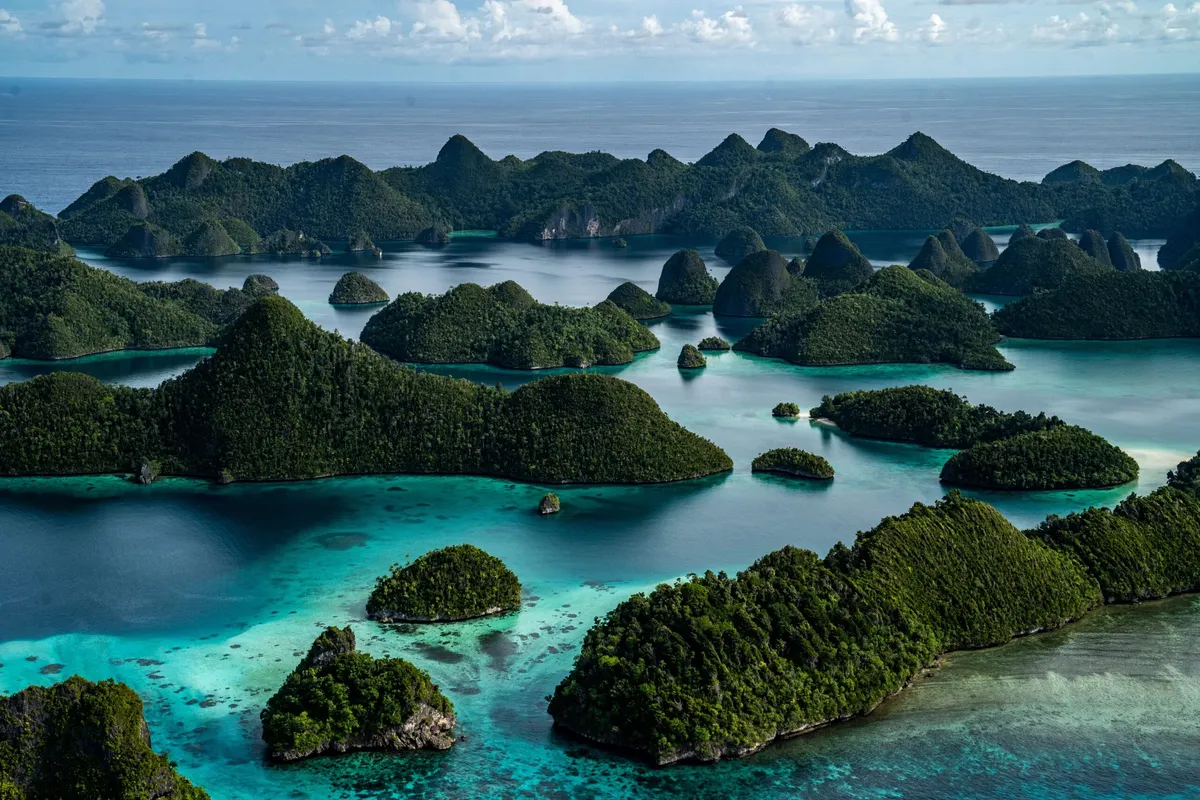
In the tropical forests of Southeast Asia, the people who live there – Indigenous peoples and local communities (IPLCs) – don't just visit the forest; their entire lives and livelihoods depend on it. They've got an encyclopedic knowledge of local species, the nuances of the landscape, and the subtle rhythms of nature that no satellite image or scientific study can fully capture.
We're a new kind of news feed.
Regular news is designed to drain you. We're a non-profit built to restore you. Every story we publish is scored for impact, progress, and hope.
Start Your News DetoxThis isn't just quaint folklore. Their understanding of which seeds to collect, how to store them, and where to plant them so they actually have a fighting chance is proving to be absolutely essential. When these communities are brought into the restoration process, the survival rates of seedlings skyrocket, leading to much more resilient forests in the long run. It's almost like they know what they're doing, having lived it for centuries.
So, while the big initiatives focus on the sheer quantity of trees, the real magic happens when you combine cutting-edge science with the deep, practical knowledge of the people who've been tending these lands forever. Because sometimes, the best way to save the planet is to listen to the folks who actually live on it.