Imagine a fruit so good, people eat it everywhere: walking, bathing, just generally living their lives. In Malawi, that's the masuku plum. Richard Swirah, an agroecologist with WeForest Malawi, says these native fruits vanish from markets faster than you can say "delicious." The catch? They're increasingly hard to find.
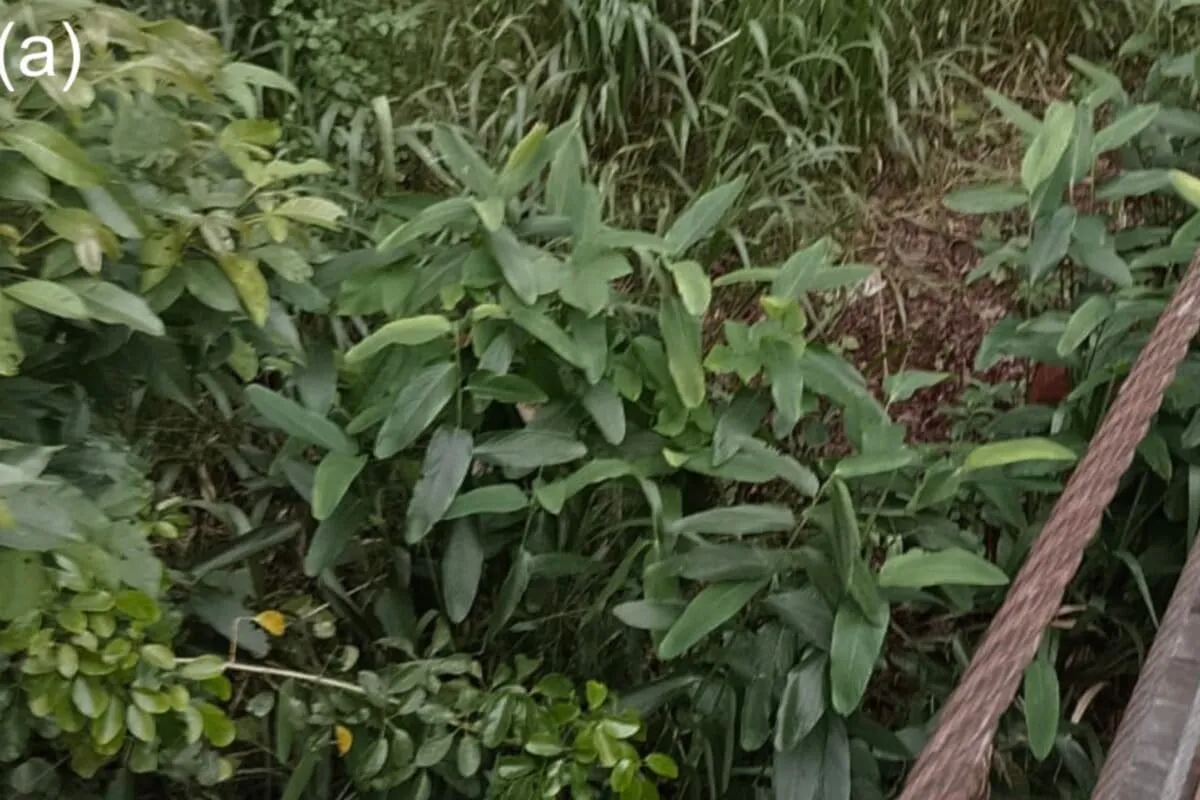
Turns out, deforestation isn't just taking down any old tree; it's targeting the ones that actually feed people. Native food trees, like the beloved masuku (Uapaca kirkiana), have become rare across Malawi and East Africa. Which, if you think about it, is a double whammy: losing biodiversity and a ready food source.

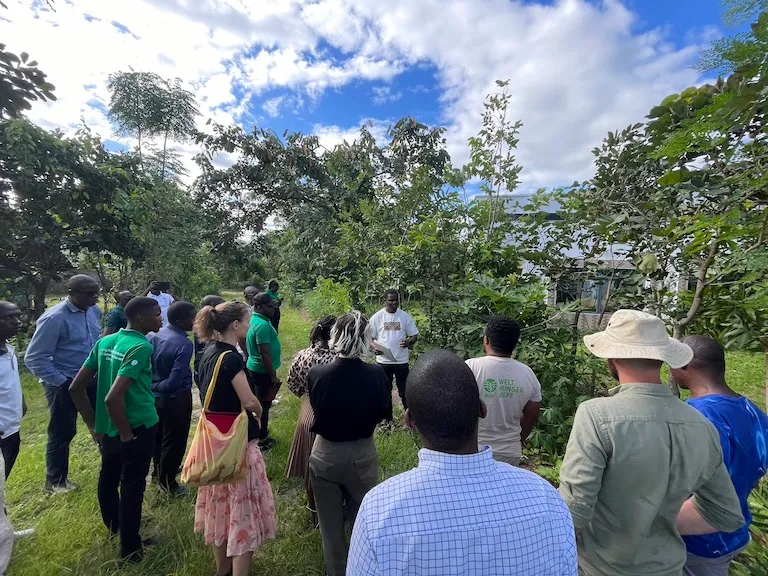
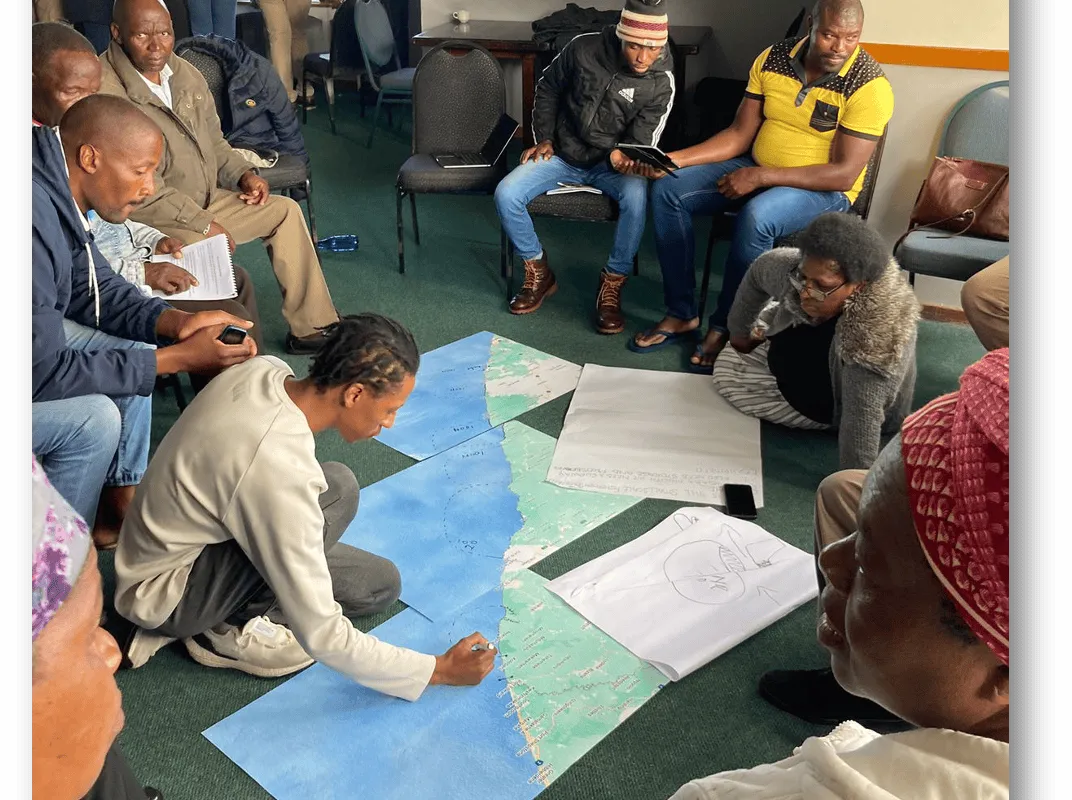
But a quiet revolution is budding. Swirah was one of 40 experts who recently gathered to swap notes on a surprisingly underutilized resource: Indigenous food trees. These aren't just pretty plants; they're resilient, packed with nutrients, and, crucially, already adapted to the local climate. No fuss, no muss, just good eats.
We're a new kind of news feed.
Regular news is designed to drain you. We're a non-profit built to restore you. Every story we publish is scored for impact, progress, and hope.
Start Your News DetoxThe workshops, spearheaded by University of Copenhagen researcher Emilie Vansant, dug into why these powerhouse trees have been overlooked. The culprit? Most tree-planting projects have a need for speed, opting for fast-growing, non-native timber trees. Efficient for lumber, maybe, but not so much for a healthy ecosystem or a full belly. The findings were officially unveiled in a paper this past June.
Vansant isn't saying we should ditch all introduced trees. It's more about balance, about bringing the local heroes back into the spotlight. Because sometimes, the best solution isn't some fancy new import, but the one that's been there all along, quietly waiting for its moment to shine (and feed everyone).