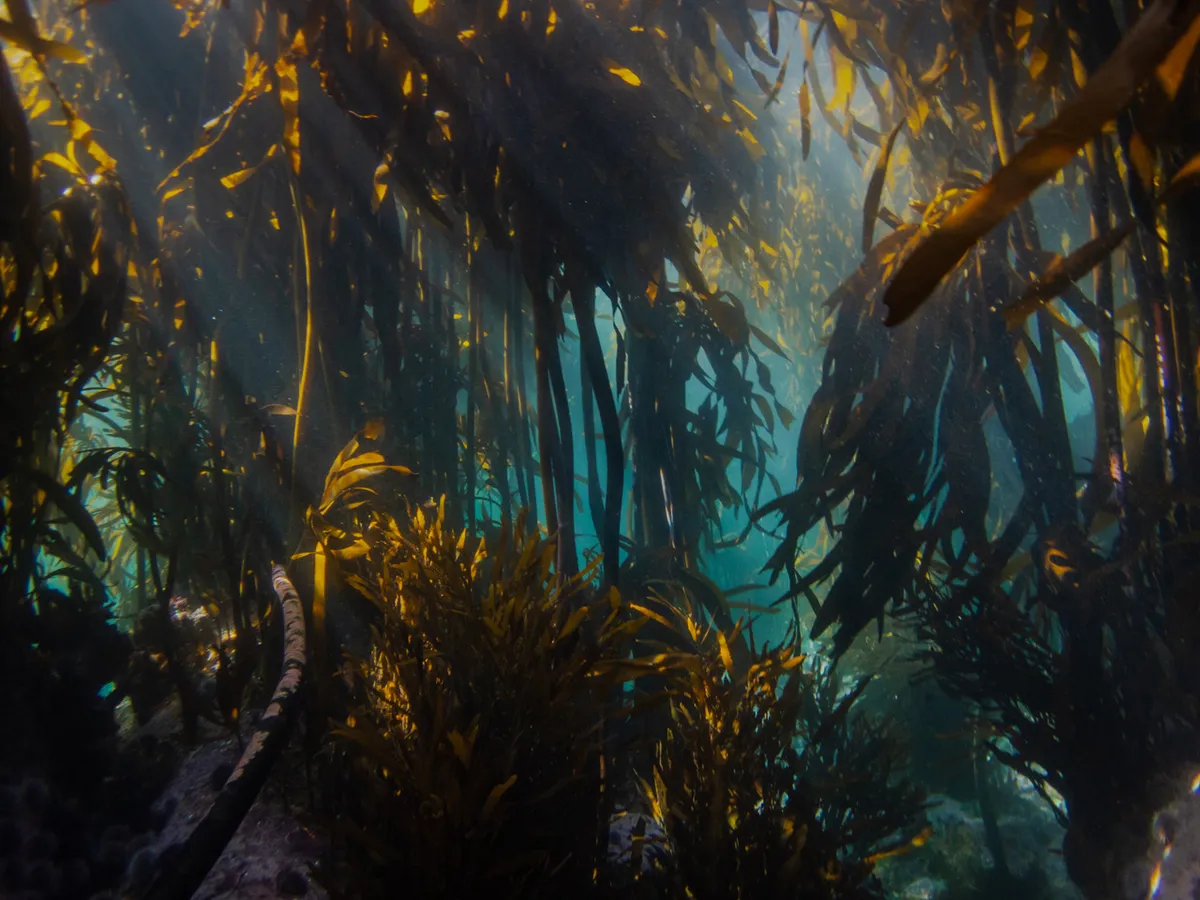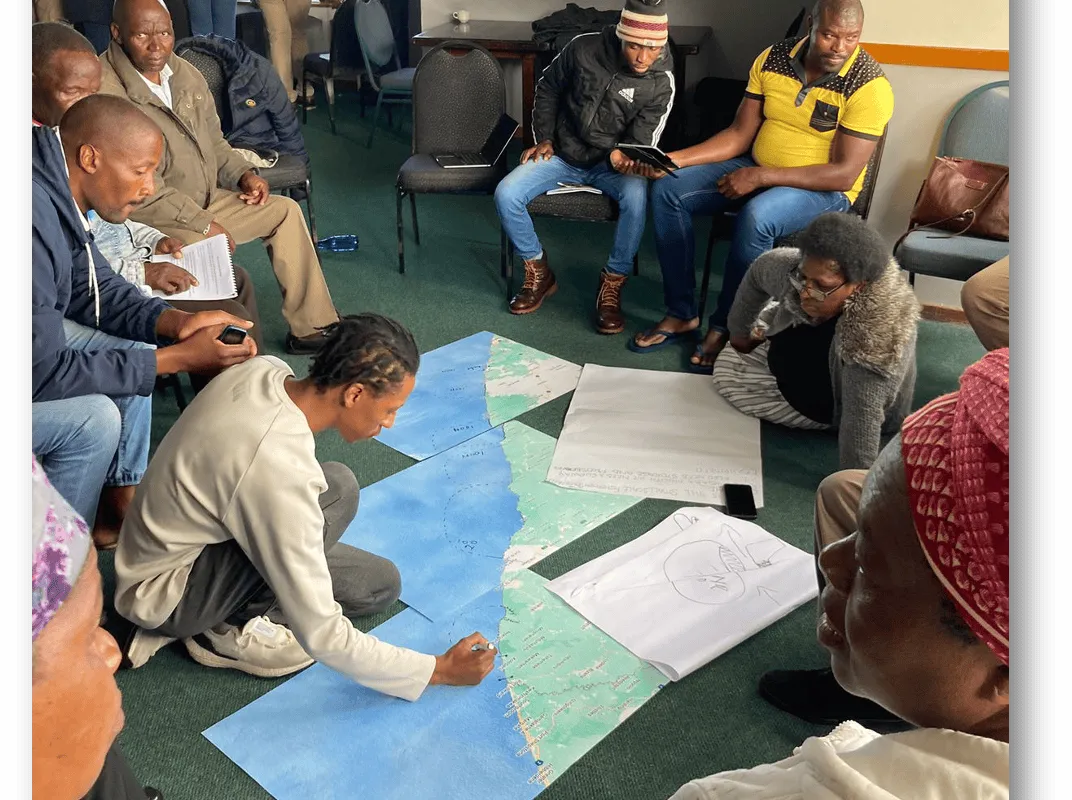
Imagine spending your life studying the ocean, then finally jumping in just for the sheer joy of it. That's exactly what happened to marine scientist Loyiso Dunga in 2016. He was mapping the Great African Seaforest, an 800-mile-long kelp wonderland off South Africa's coast, when he decided to go snorkeling. For fun. For the very first time.
Dunga, a member of the Xhosa nation, grew up in a coastal community where the ocean was considered family, sacred. Yet, his work had kept him on the surface. That first dip, he says, enchanted him. It turned a scientific endeavor into a deeply personal quest.
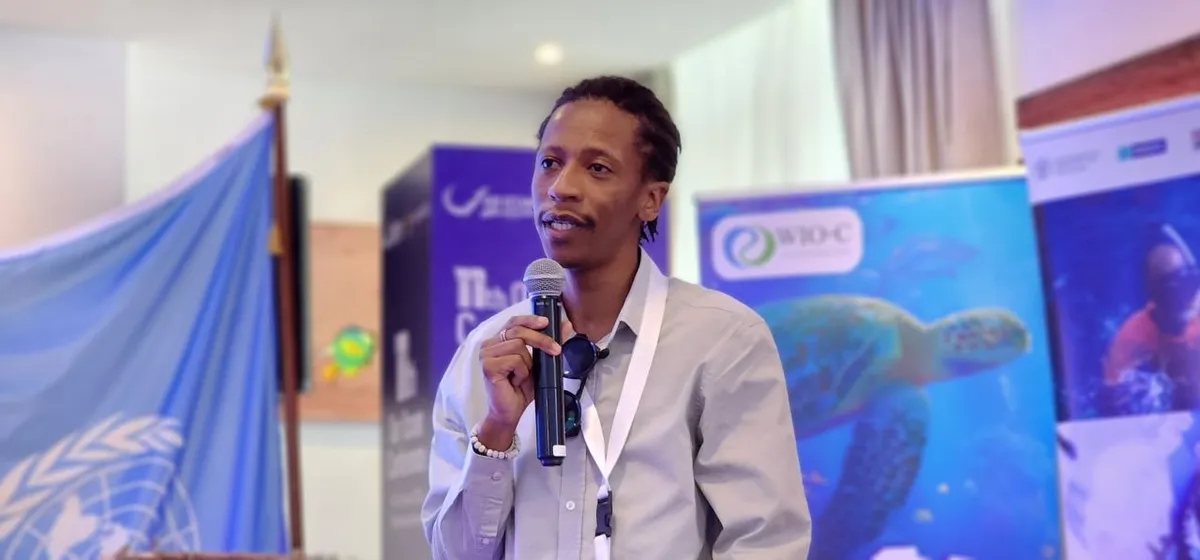
Now, Dunga is leading the charge to protect these vital underwater ecosystems. As executive director for the Seas of Good Hope program in South Africa and working with the International Union for Conservation of Nature (IUCN) and the Kelp Forest Alliance, his goal is ambitious: safeguard over 9 million acres of kelp forests globally by 2040. Because apparently, that's where we are now — needing to protect entire underwater forests.
We're a new kind of news feed.
Regular news is designed to drain you. We're a non-profit built to restore you. Every story we publish is scored for impact, progress, and hope.
Start Your News DetoxMore Than Just Science
For Dunga, conservation isn't just about data and policy. It's about weaving together Indigenous wisdom, scientific research, and practical policy. He founded Asili Blue Renaissance, a nonprofit dedicated to diverse ocean conservation methods, including deep collaboration with Indigenous communities. Because who knows a place better than the people who've lived alongside it for generations?
He's even pushing to rename global kelp forests using their original Indigenous names. It's a subtle but powerful shift, acknowledging that true protection starts with understanding and respect. After all, as Dunga puts it, "You can't protect what you don't know." And sometimes, knowing starts with a simple, enchanting swim.