August felt like a cosmic aperture opening, a month where our view of everything got sharper, faster, and surprisingly more hopeful. From the furthest reaches of the universe to the deepest workings of our own cells, it was a period defined by an accelerating clarity — a sudden ability to see what was previously hidden, and then, crucially, to act on it.
The Universe Reveals Its Darkest Secrets (and Its Fastest Growth)
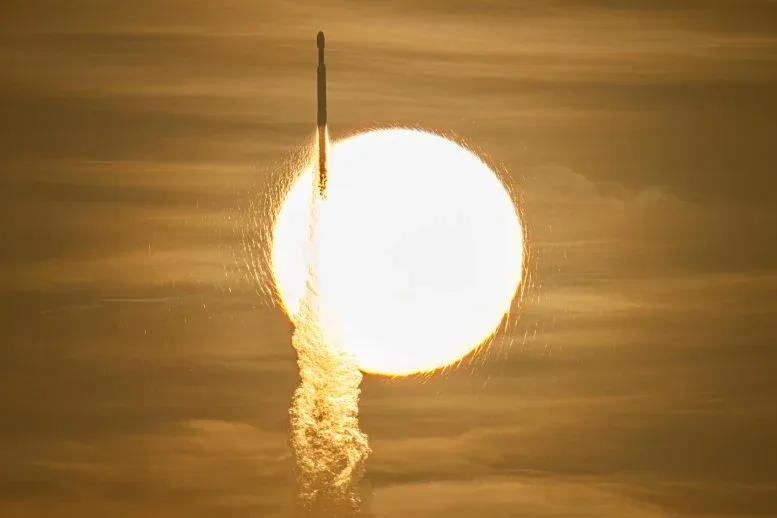
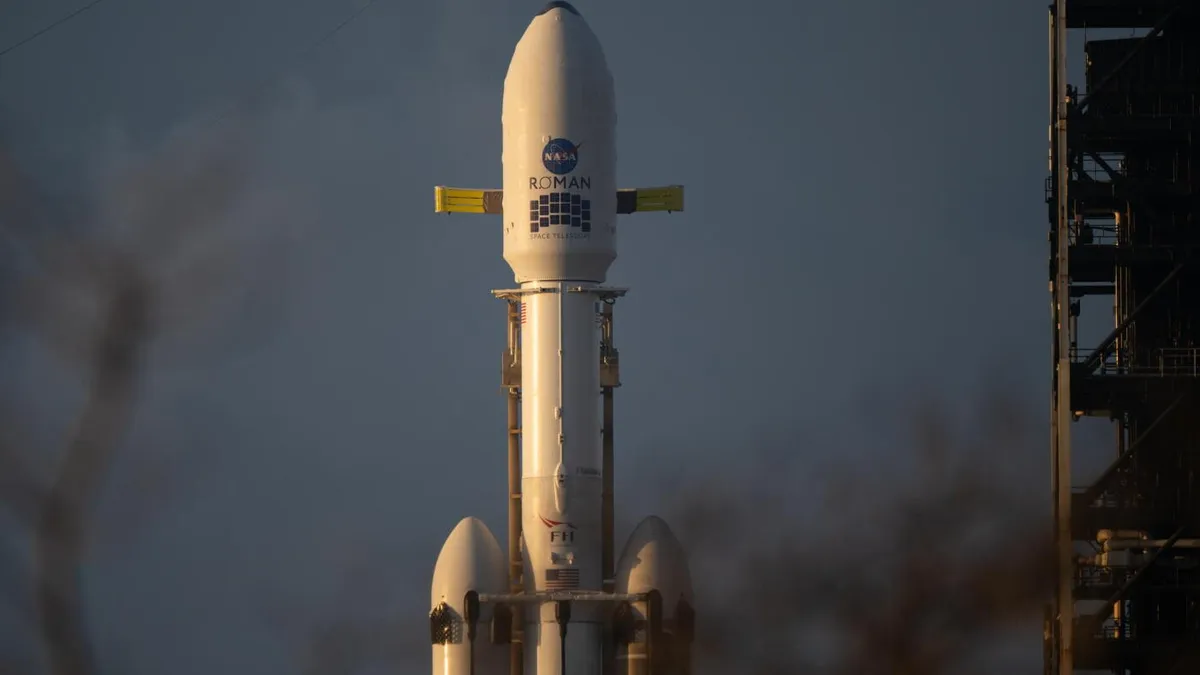
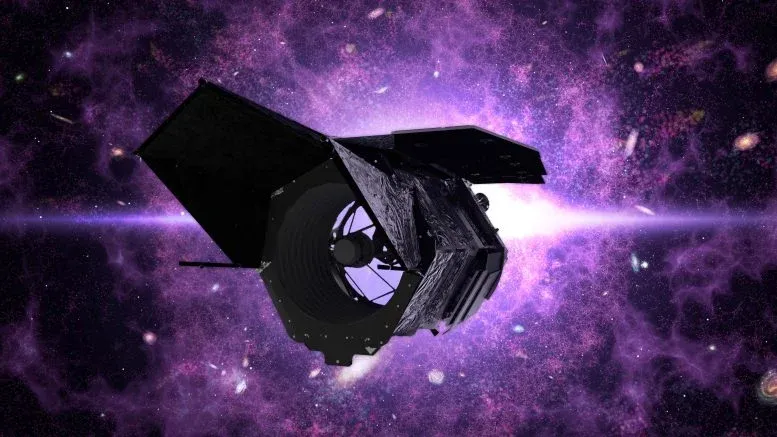
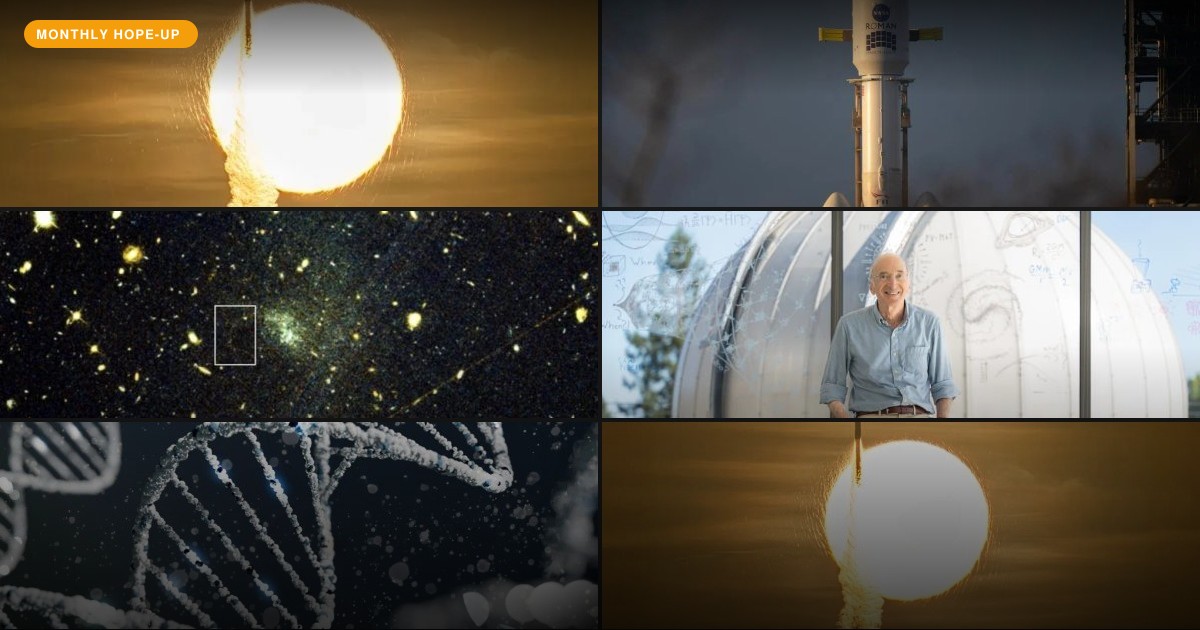
This month, if you looked up, you might have felt a profound shift. NASA launched not one, but two major telescopes that promise to redefine our understanding of the cosmos. First, the Nancy Grace Roman Space Telescope began its million-mile journey to L2. This isn't just another pretty picture machine; it's a dark matter and dark energy hunter, designed to map huge swaths of the universe with survey speeds a thousand times faster than Hubble. Think of it as going from a quaint rowboat to a high-speed catamaran in cosmic exploration. Hot on its heels, another NASA telescope launched, capable of seeing 100 times more than Hubble, aiming to pinpoint over 100,000 exoplanets. The message is clear: the universe is about to get a lot less mysterious.
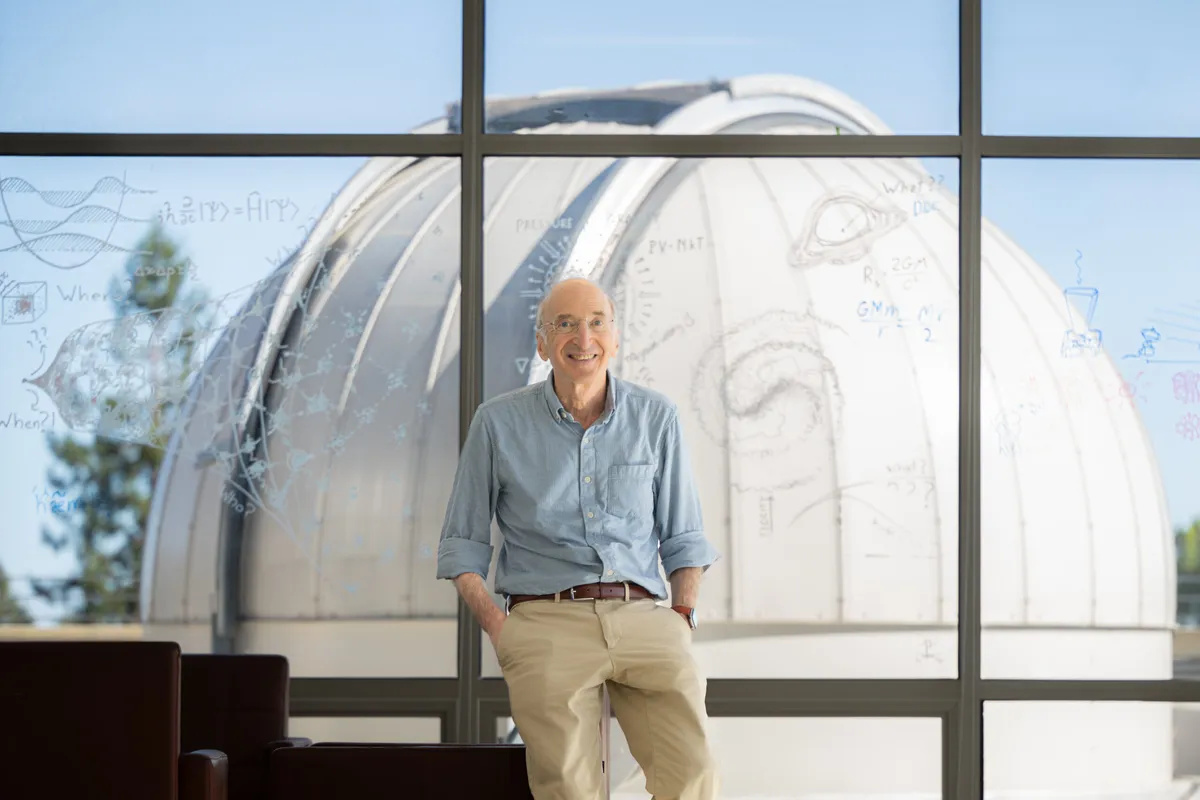
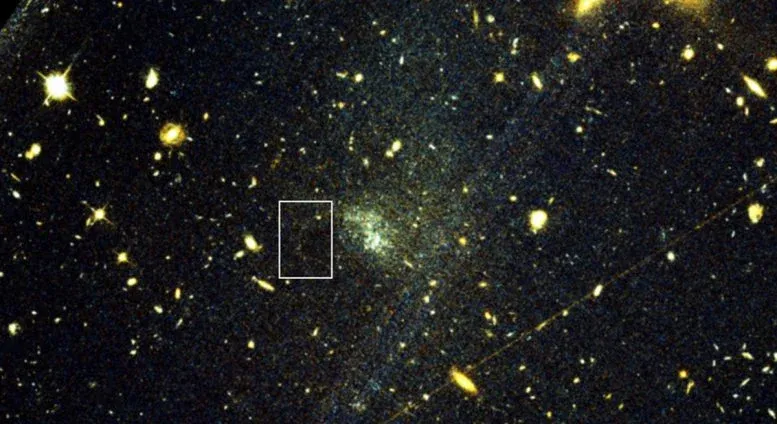
It’s almost as if the universe itself was responding to our curiosity. Astronomers in a bizarre galaxy just found a faint stellar stream — the first beyond the Milky Way — providing a crucial new tool for studying dark matter. And speaking of discoveries, it's worth remembering that the very idea of an accelerating universe was once a mind-bending revelation, now a Nobel-winning cornerstone of cosmology. These new telescopes are poised to build on that legacy, giving us unprecedented clarity on the forces that shape everything. If you've ever felt small contemplating the vastness, this month offered a fresh perspective: we're finally getting the tools to truly see what's out there.
We're a new kind of news feed.
Regular news is designed to drain you. We're a non-profit built to restore you. Every story we publish is scored for impact, progress, and hope.
Start Your News Detox"The first terawatt of global solar capacity took nearly 68 years to reach. The second arrived in roughly two years." — Read the full story
Nature's Resilience, Powered by Human Ingenuity
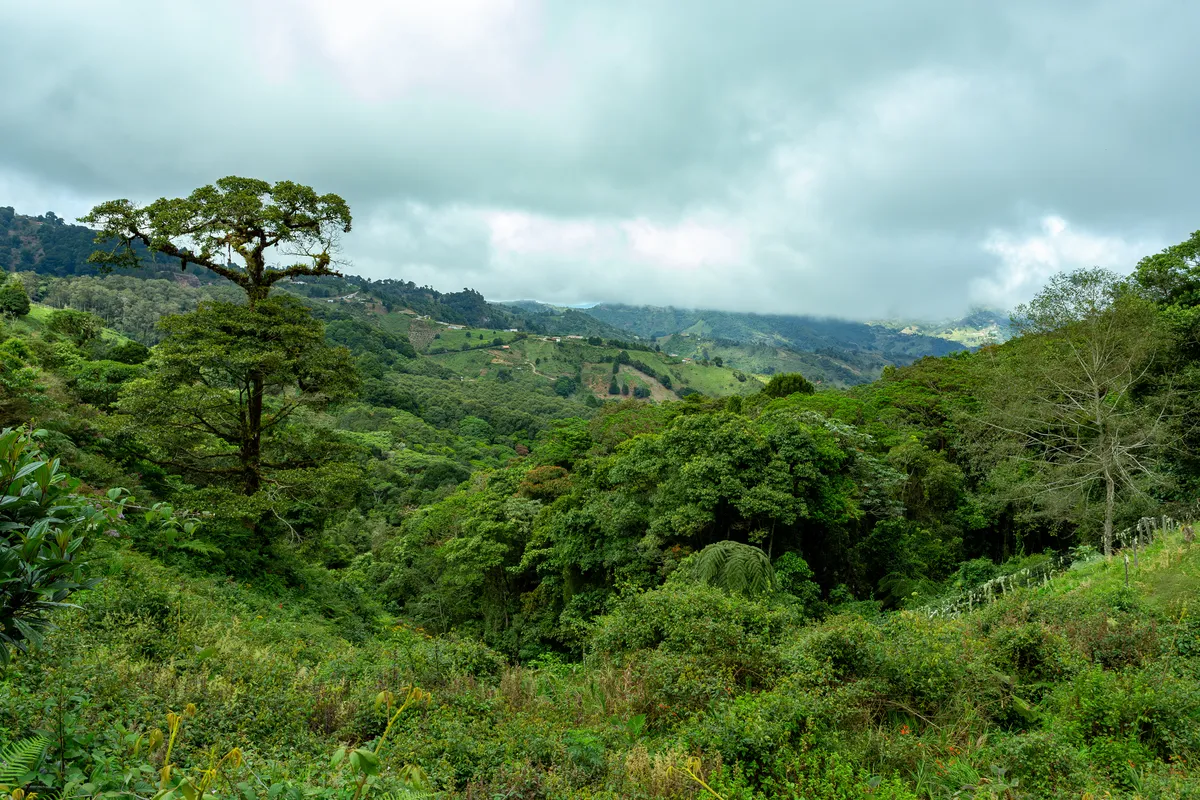
While we were busy looking outward, a quiet revolution was unfolding on Earth: nature is bouncing back, and we're getting smarter about helping it along. In the Chocó region of Ecuador, new research revealed that cleared tropical rainforests can recover 90% of their species diversity within a single human generation. This isn't just a number; it's a testament to the planet's astonishing capacity for self-repair, given half a chance. And sometimes, that chance comes from half a century of dedication, like Daniel Janzen's monumental effort to regrow a forest in northwestern Costa Rica. His story isn't just about planting trees; it's about stopping fires, removing invasive grasses, and creating the conditions for nature to thrive again.
August also showed us that human ingenuity isn't just about space exploration; it's about making our impact lighter. Stanford scientists are now zapping cement into existence 100 times faster, dramatically reducing the carbon footprint of the world's second-most consumed material. And in the fight against pervasive pollution, a Yale student, Mingda Li, just schooled "forever chemicals" (PFAS) by developing a process that makes them easier to destroy. This isn't just about cleaning up; it's about finding elegant, efficient solutions to problems that once seemed intractable. If you've worried about the planet, this month delivered a powerful reminder: restoration is possible, and the tools to accelerate it are arriving faster than ever.

Health Breakthroughs: From Genes to Gut Bugs
Closer to home, August brought a series of remarkable advancements in human health, moving us closer to a future where disease prevention and treatment are more precise and powerful. A million-person hunt just pinpointed a rare gene variant that significantly slashes the risk of diabetes and heart disease. This isn't just a scientific curiosity; it's a potential blueprint for new treatments, demonstrating the immense power of large-scale genetic research. Meanwhile, mRNA technology, already a household name, got a significant upgrade: scientists found a way to nearly double mRNA speed, potentially making future vaccines and therapeutics faster and more efficient.
And in a delightful (and slightly unsettling) twist, we learned that our gut bugs are officially contagious. This insight into person-to-person transmission of microbiomes could open entirely new avenues for understanding and influencing health. On the pharmaceutical front, a new GLP-1 pill delivered impressive weight loss without injections, a game-changer for accessibility. And for a surprising bonus, your shingles shot might also save your heart and brain, with researchers suggesting the vaccine could prevent thousands of cardiovascular events annually. This month, the promise of personalized, preventative medicine felt closer than ever, offering tangible reasons for optimism about our collective well-being.
August was a masterclass in uncovering the hidden. Whether it was the dark matter woven into the cosmic web, the secret resilience of a recovering rainforest, or the subtle genetic protections within our own bodies, we were reminded that there's always more to see, understand, and improve. The tools are getting sharper, the data more abundant, and the breakthroughs increasingly impactful. It's a good time to be curious.
Hope stat: 3 Terawatts — the speed at which global solar capacity is expanding, with the last terawatt added in less than two years.
Watch this space: Keep an eye on how these new cosmic observatories start delivering their first data, and what unexpected insights they reveal about the universe's ultimate mysteries.