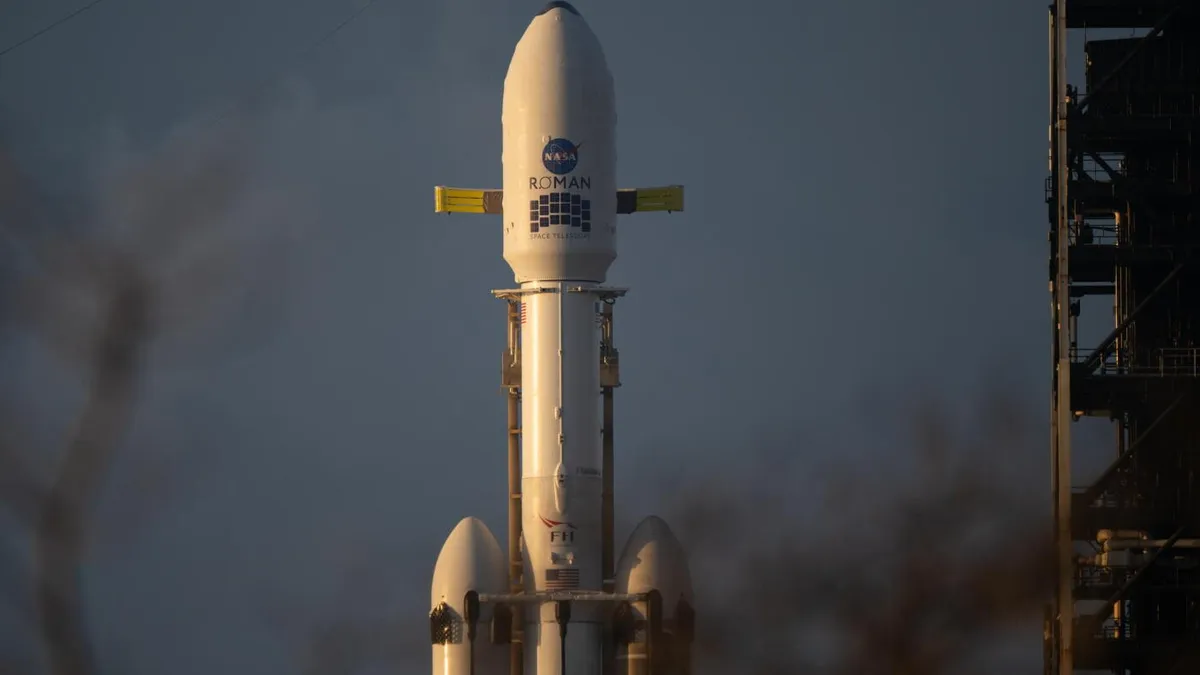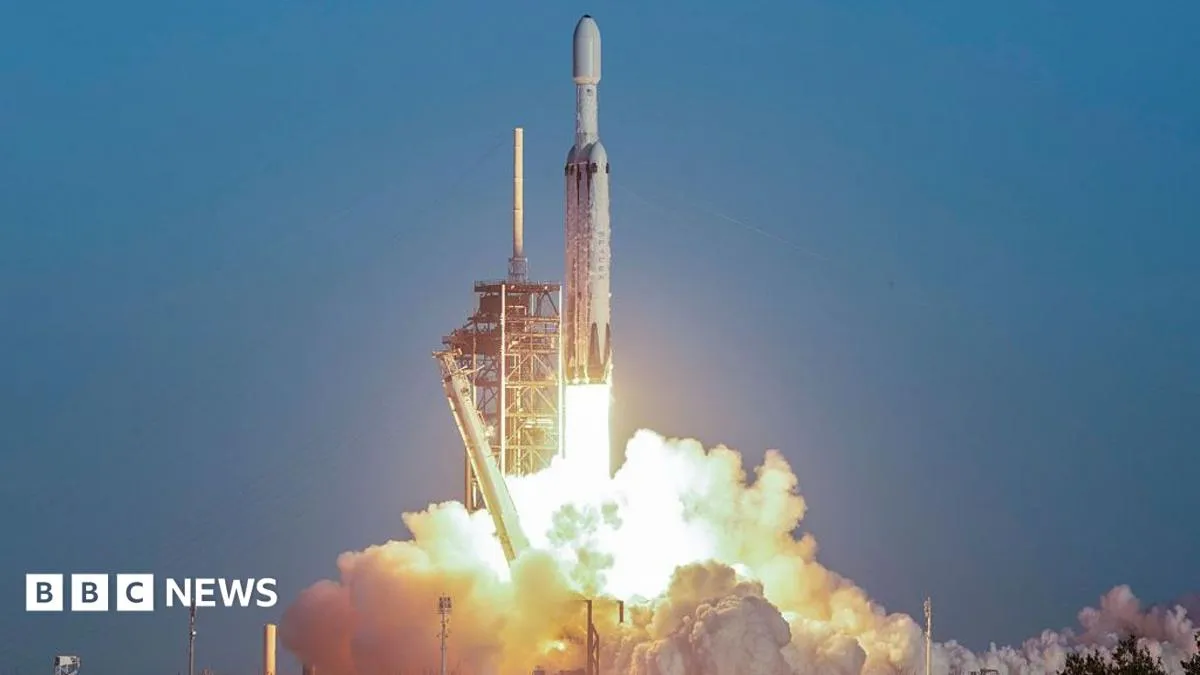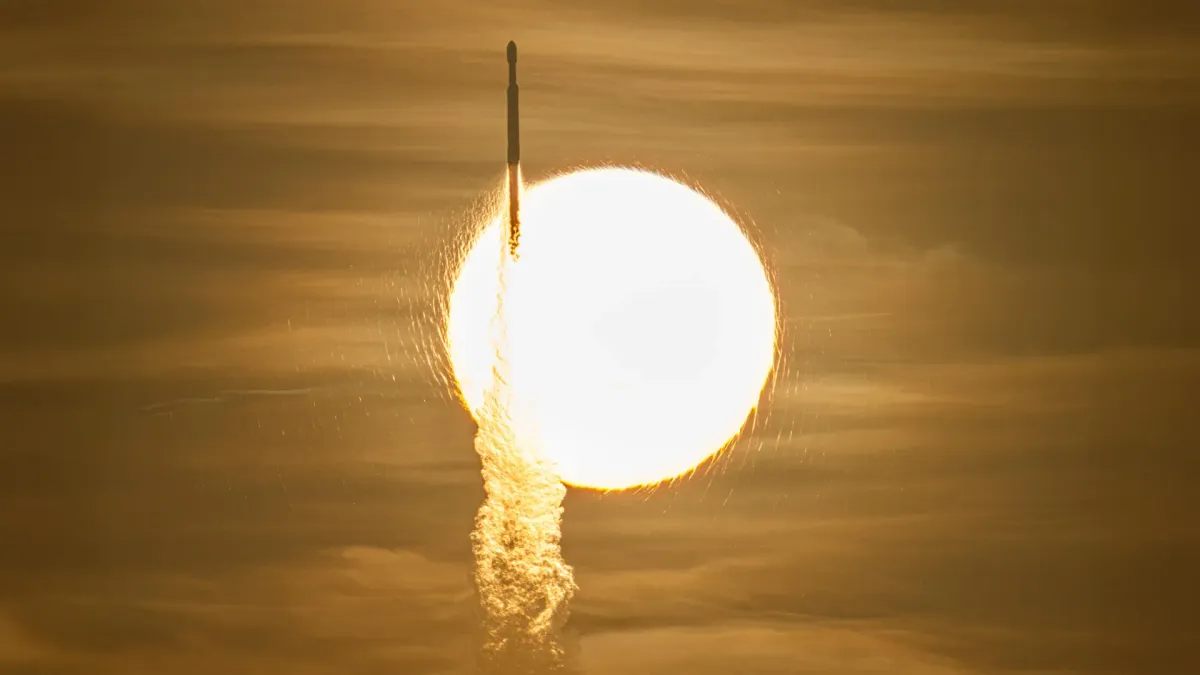
NASA's latest eye on the cosmos, the Nancy Grace Roman Space Telescope, just started its million-mile road trip. It launched on a SpaceX Falcon Heavy rocket, which, if you're keeping track, is the one where the boosters do a synchronized ballet back to Earth. Because apparently, that's where we are now.
Roman's mission? To peer into the universe's deepest, darkest corners. We're talking about unmasking the mysteries of dark matter and dark energy — the cosmic wallpaper that makes up most of everything but remains stubbornly invisible. Oh, and it's also on the hunt for exoplanets, because why not add a few thousand potential new neighbors to the itinerary?
NASA Administrator Jared Isaacman was quick to point out that Roman was delivered early and under budget. Which, in the world of massive space projects, is practically a miracle. He calls it a testament to dedication. We call it a refreshing change of pace.
We're a new kind of news feed.
Regular news is designed to drain you. We're a non-profit built to restore you. Every story we publish is scored for impact, progress, and hope.
Start Your News DetoxA New Eye, a Wider View
Seven minutes after liftoff, controllers at NASA's Goddard Space Flight Center started getting data. The rocket did its job, the observatory separated, and those fancy boosters landed safely. It’s all very routine now, which is simultaneously amazing and slightly terrifying.
Nicky Fox, NASA's associate administrator for science, said Roman will be a "discovery machine" — a phrase that sounds like it belongs in a sci-fi novel, but here we are. It's designed to make the invisible visible, helping humanity search for life beyond our solar system. No pressure, Roman.
Roman is heading to something called L2, the second Sun-Earth Lagrange point, about a million miles out. Think of it as a gravitational sweet spot where the Sun and Earth's pulls balance out, so the telescope can chill there with minimal fuel. It’s like finding the perfect parking spot, but in space.
Solar Panels, Sun Shades, and Jupiter-Sized Tech
Just an hour and 23 minutes after launch, the team confirmed Roman's solar panels and lower instrument sun shade had unfurled. Because even in space, you need to protect yourself from the sun.
Soon, its high-gain antenna and a visor-like aperture cover will deploy. Then comes the really cool bit: the Coronagraph Instrument will power up. This tech is designed to block out the blinding light from distant stars, making it possible to photograph exoplanets directly. Imaging an Earth-like planet next to its star is like trying to spot a firefly next to a lighthouse, so this is kind of a big deal. Roman will practice by snapping pics of Jupiter-sized planets, paving the way for future missions that might just find us some actual alien real estate.
The Ultimate Infrared Panorama
A few weeks into its journey, Roman's main science instrument, the Wide Field Instrument, will switch on. This isn't just any camera. It's a 300-megapixel infrared beast with 18 detectors, each about the size of a saltine cracker, all working together to create cosmic panoramas.
What makes Roman truly special is its speed. It can survey the universe about 1,000 times faster than the Hubble Space Telescope. Hubble gives you incredibly detailed close-ups; Roman gives you that same detail, but across massive swathes of the sky. It's like going from a single portrait lens to a wide-angle panorama, all without losing resolution. Astronomers can now binge-watch the universe, essentially.
NASA expects the first images in early 2027. And once Roman starts its full science program, it'll beam down about 1.4 terabytes of data every single day. That's the highest daily data rate for any NASA astrophysics mission. Forget traditional analysis; we're talking machine learning, AI, and even citizen scientists wading through this galactic firehose of information.
As Julie McEnery, Roman's senior project scientist, put it: "We've never seen the universe with eyes like Roman's before." By this time next year, we might just know a lot more about what's out there. And possibly, who. Stay tuned.