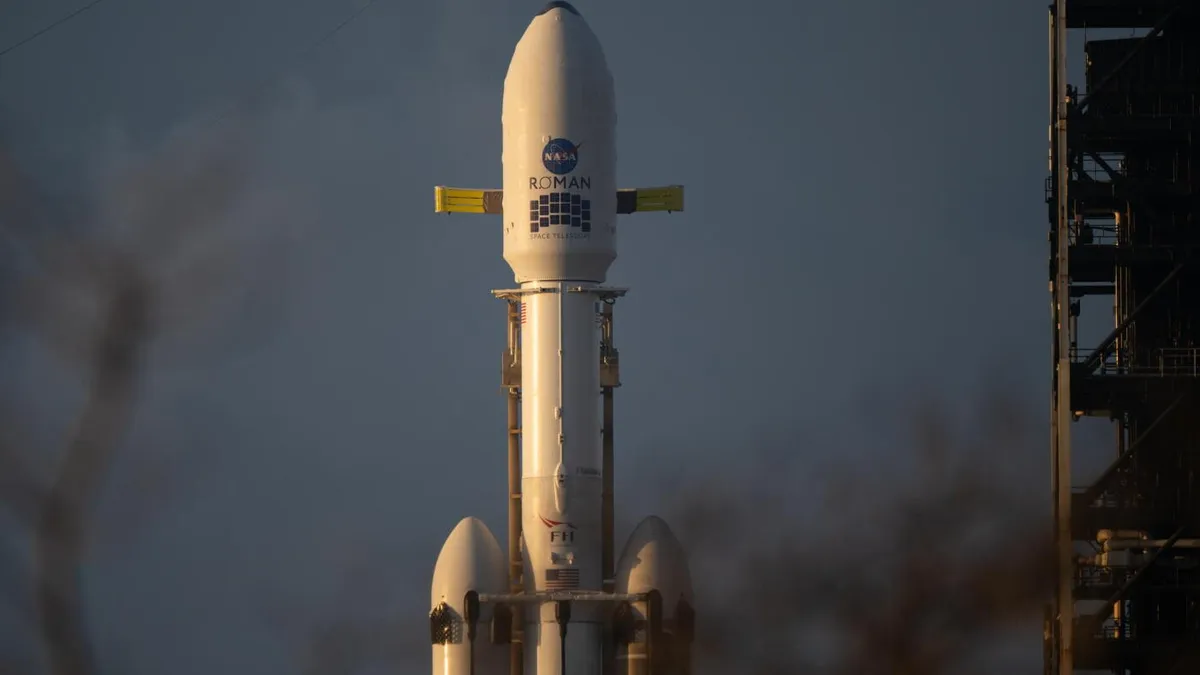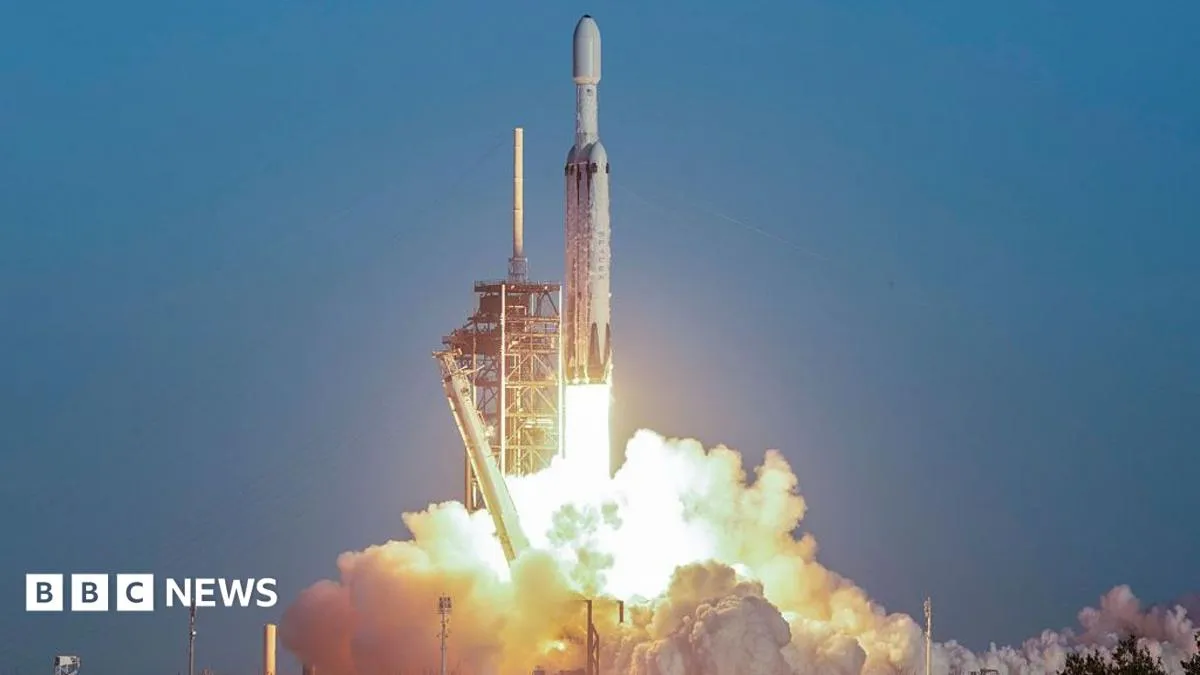
Nasa has launched the Nancy Grace Roman telescope. This powerful new space telescope will explore mysteries of the Universe. It lifted off from Florida with a mission to study dark energy, black holes, and other cosmic puzzles.
A New View of the Universe
The Nancy Grace Roman telescope will give scientists vast panoramic views of space. Its field of vision is at least 100 times larger than the famous Hubble Space Telescope. The telescope will travel for 100 days to a spot about one million miles from Earth. From there, it will begin mapping planets outside our solar system, called exoplanets.
Nicky Fox, a Nasa administrator, said the Roman telescope will change how we see the universe. She expects it to find tens of thousands, possibly even 100,000, new exoplanets.
We're a new kind of news feed.
Regular news is designed to drain you. We're a non-profit built to restore you. Every story we publish is scored for impact, progress, and hope.
Start Your News DetoxThe telescope is named after physicist Nancy Grace Roman. She was Nasa's first chief astronomer in the 1960s and its first female executive. Roman was key in getting the Hubble Space Telescope approved. She later said Hubble's most interesting discovery was dark energy.
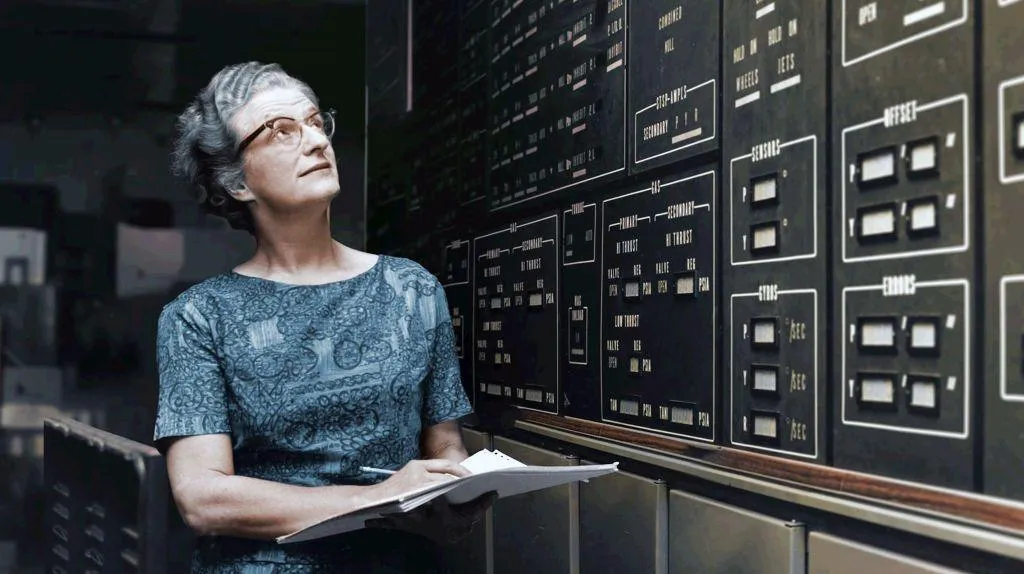 Image caption: Nancy Grace Roman (1925-2018) was known as the "mother of Hubble" for her role in planning the Hubble telescope
Unlocking Cosmic Secrets
The new Nancy Grace Roman telescope is expected to greatly improve our understanding of the Universe. This includes studying dark energy. It has a main mission life of five years, with a goal to operate for 10 years.
Nasa says the telescope's clear, wide surveys will help scientists. They will investigate dark energy and dark matter, find and describe exoplanets, map billions of galaxies, study black holes, and explore objects from our solar system to the edge of the observable Universe.
The origins of dark matter and dark energy are still unknown. However, they are thought to make up about 95% of the Universe. Dark matter is invisible and acts like a gravitational glue. Dark energy is believed to be a force pushing the Universe to expand.
The US space agency successfully launched the telescope from the Kennedy Space Center in Florida. About 30 minutes after launch, Roman separated from its SpaceX rocket. It is now heading towards its orbiting point about a million miles away.
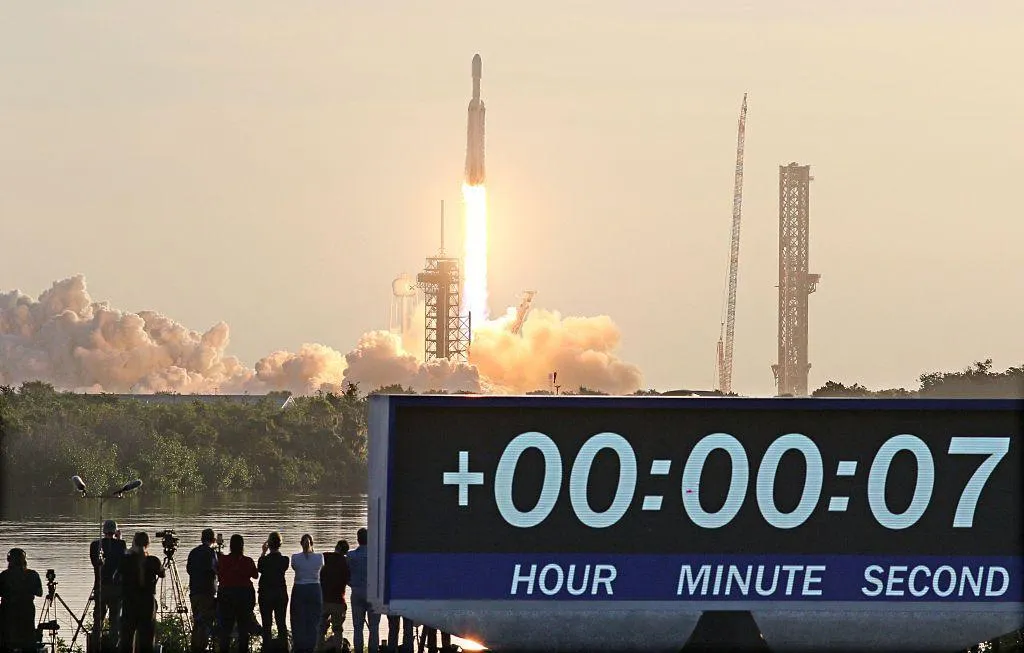
Nicky Fox noted that a main goal at Nasa is to answer if we are alone in the universe. She believes Roman will make a huge leap forward. It will allow us to look at distant worlds and examine their atmospheres to see if they could support life.
Nasa's James Webb Space Telescope, launched in 2021, also orbits the Sun about one million miles from Earth. However, its field of vision is not as wide. Nasa's Hubble Space Telescope, launched in 1990, orbits much closer, about 300 miles above Earth's surface.