Good news for anyone over 60 who's already braved the shingles vaccine: a new study suggests that shot might be doing double duty, quietly protecting your heart and brain from some of the nastier bits of aging.
Turns out, the current shingles jab, Shingrix, could significantly lower your risk of heart attack and stroke. We're talking about a potential to prevent thousands of deaths annually. Because apparently, that's where we are now: your anti-nerve-pain vaccine is also moonlighting as a cardiovascular guardian.
Researchers sifted through the medical records of 70,000 people in the U.S. and found that those who got the Shingrix vaccine had a 12% lower chance of a cardiovascular problem within three and a half years. To put that in perspective, that's roughly the same benefit you'd get from taking daily blood pressure medication. Let that satisfying number sink in.
We're a new kind of news feed.
Regular news is designed to drain you. We're a non-profit built to restore you. Every story we publish is scored for impact, progress, and hope.
Start Your News DetoxDr. Maxime Taquet, who spearheaded this revelation at the University of Oxford, isn't shy about the implications. If clinical trials confirm these findings, he says, vaccinating older adults against shingles could avert hundreds of thousands of heart attacks, strokes, and heart failure cases globally. Suddenly, that shot in the arm feels a lot more heroic.
The Uninvited Guest: Shingles
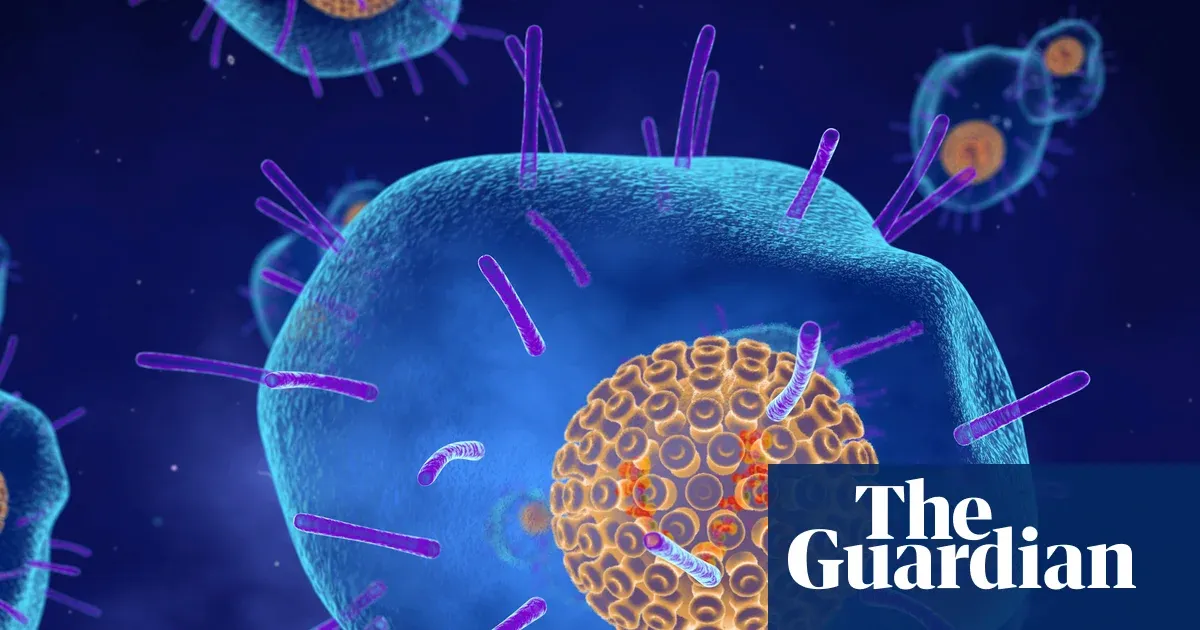
For those who haven't had the pleasure, shingles is a deeply unpleasant condition. It's caused by the chickenpox virus, which, after you've had chickenpox, decides to just hang out in your body, dormant, like a particularly unhelpful houseguest. Until one day, it reactivates, causing a rash and nerve pain that can linger for months, even years. This extended misery has a fancy name: post-herpetic neuralgia.
The first vaccine, Zostavax, arrived in 2006, using a weakened version of the virus. Then came Shingrix, a more effective, newer-tech vaccine. It's currently being rolled out to people aged 65-79 in the UK, presumably to help them avoid both the rash and a trip to the emergency room for their heart.
Previous studies had hinted at this heart-health bonus, but they often compared vaccinated and unvaccinated groups, which can skew results. This new study sidestepped that issue by comparing heart disease rates in people vaccinated before and after the U.S. made a swift switch from Zostavax to Shingrix in 2017. A clever bit of timing, that.
The Plot Thickens (and Thins Your Arteries?)
After tracking these 70,000 adults (aged 60 and up) for seven years post-vaccination, the researchers found that Shingrix was linked to a 12% drop in cardiovascular events—including heart attacks, heart failure, and stroke—during those crucial first three and a half years. By the study's end, the overall risk was 4% lower. These findings, published in Nature Medicine, are making waves.
While the absolute risk reduction might seem small, the overall impact could be colossal, given that heart disease and stroke are, you know, major causes of death. Dr. Taquet reiterated that if a randomized controlled trial backs this up, Shingrix's impact would rival that of blood pressure medications. Your arm might ache for a day, but your ticker will thank you.
So, why the heart-healthy perk? Scientists have a few theories. One is that shingles itself might increase the risk of heart and blood vessel diseases. So, a vaccine that effectively prevents shingles would naturally reduce that associated risk. The other, slightly more intriguing idea, is that the vaccine might have broader effects on the immune system, dialing down inflammatory proteins that contribute to heart issues. Basically, your immune system gets a pep talk and decides to clean house.
Dr. Hugo Pedder, a research fellow not involved in the study, noted that while a randomized trial is the gold standard for confirmation, this study offers some of the best observational evidence yet. So, next time you're due for your shingles shot, remember: you might just be getting a two-for-one deal on health. And who doesn't love a good deal, especially when it involves not having a heart attack?