Researchers have created an "invisible" cell therapy that could treat diabetes without side effects. They developed a super-thin hydrogel coating that helps transplanted insulin-producing cells hide from the immune system.
In tests, diabetic mice received these protected cells. Their blood sugar levels returned to normal for over 100 days. This happened without needing constant drugs to suppress their immune system. This new method could open doors for many cell-based treatments.
A New Way to Protect Transplanted Cells
When doctors transplant cells to treat diseases, the patient's immune system often attacks them. This is because the body sees the new cells as foreign. To stop this, patients usually need to take strong drugs that suppress their immune system. These drugs can cause serious problems, like a higher risk of infection or even cancer.
We're a new kind of news feed.
Regular news is designed to drain you. We're a non-profit built to restore you. Every story we publish is scored for impact, progress, and hope.
Start Your News DetoxResearchers at Penn State found a way around this. They wrap therapeutic cells in a very thin, protective coating. This coating acts like an "invisibility cloak," hiding the cells from the immune system.
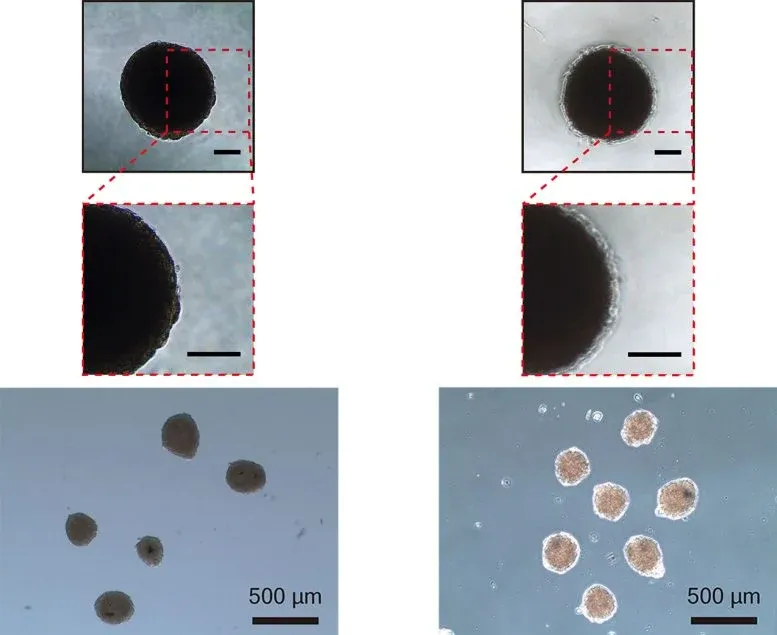
The new coating is a jelly-like hydrogel called biomimetic zona pellucida (BZP). It mimics the natural coating around human egg cells. This thin layer protects the cells from immune attacks. It also lets important molecules, like insulin, pass through. This means the transplanted cells can work without the need for constant immunosuppressant drugs.
How the "Invisibility Cloak" Works for Diabetes
For people with diabetes, specific cell clusters called islets release insulin to control blood sugar. However, when these donor islets are transplanted, the patient's immune system attacks them.
Yong Wang, a professor of biomedical engineering at Penn State, explained that current treatments require patients to take immunosuppressants. This new BZP coating changes that. It's designed to be ultrathin, about 20 micrometers thick, which is much thinner than a human hair. It wraps around living cells without stopping them from working.
Kyungsene Lee, the lead author of the study, noted that scientists have tried hydrogel-based cell coatings for years. But previous attempts couldn't perfectly copy the thin, hardening structure of the natural zona pellucida. The new BZP coating achieves this.
Promising Results in Mice
The researchers coated insulin-producing islets with BZP and transplanted them into diabetic mice. They then watched the mice's blood sugar levels for 100 days.
Mice with BZP-coated islets returned to healthy blood sugar levels within one week. Most stayed diabetes-free for over 100 days. They did not need continuous immunosuppressants. This is a big improvement, as uncoated cell therapies usually only last a week or less without these drugs.
Wang believes this technology could help with many other diseases. It could be used in immunotherapy, to make cells resist chronic diseases, or in regenerative medicine to help tissues grow back.
Deep Dive & References
Biomimetic zona pellucida-encapsulated islets for sustained glycaemic control in immunocompetent mice - Nature Biomedical Engineering, 2026