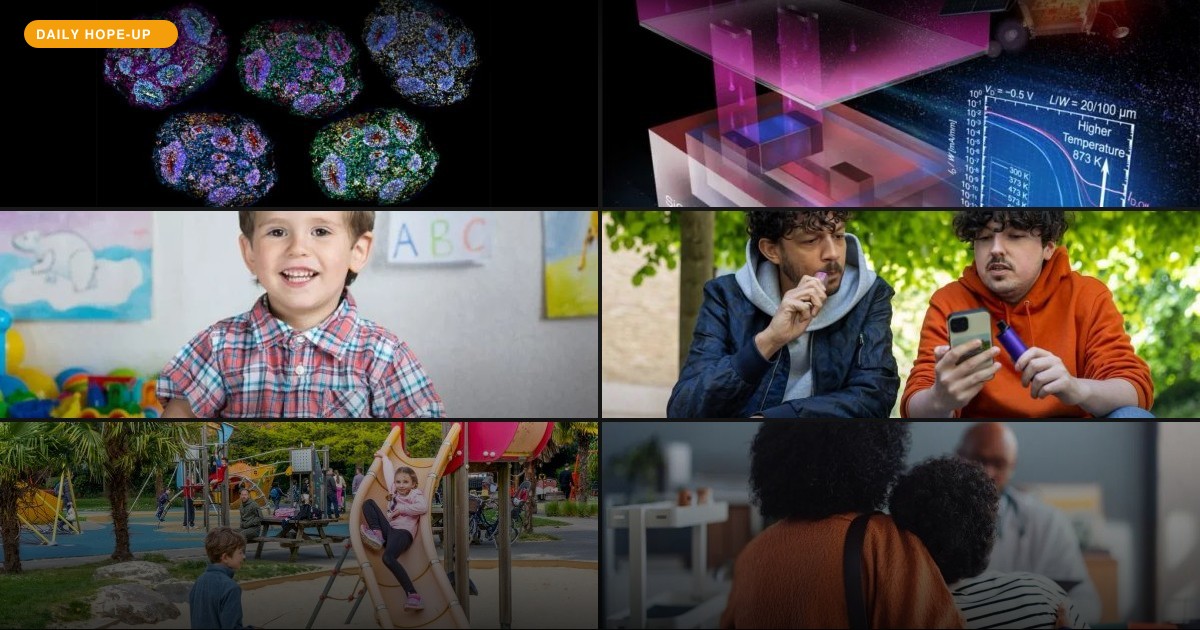
A five-year-old in London just started growing lungs faster, thanks to cleaner air. Meanwhile, in Varanasi, a 27-year-old IAS officer named Shipu Giri rallied his city to save its groundwater. This week, we saw some remarkable individuals making tangible differences, reminding us that progress often starts small but can scale quickly.
The Long Game of Progress
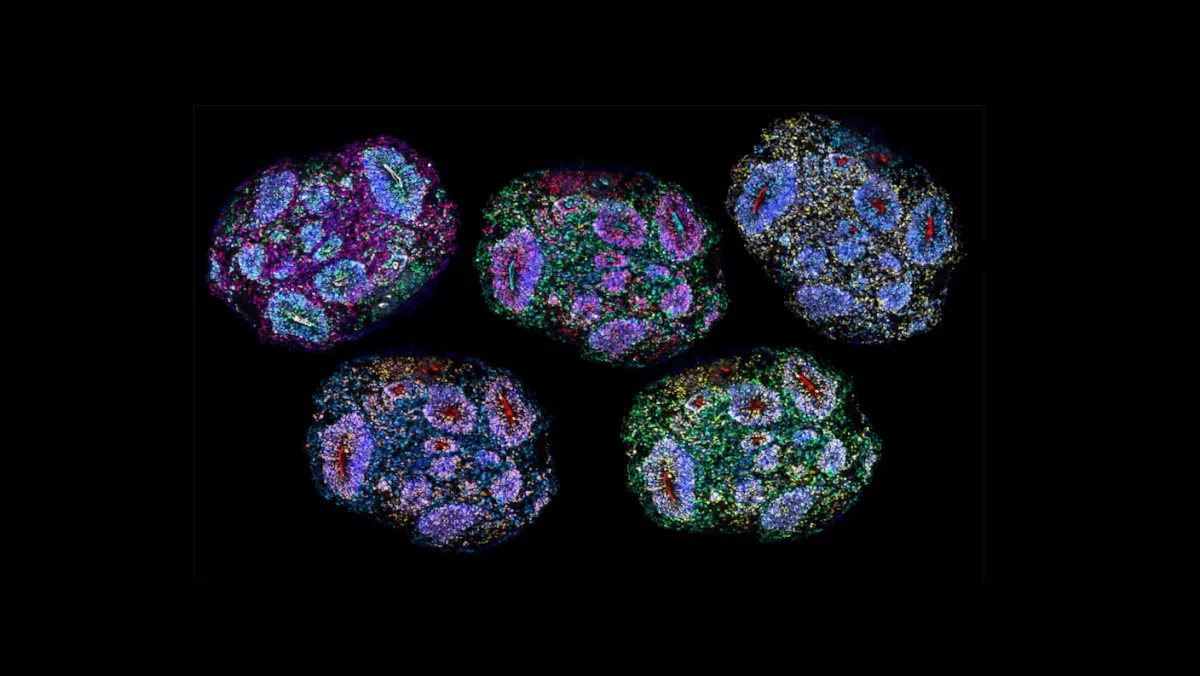
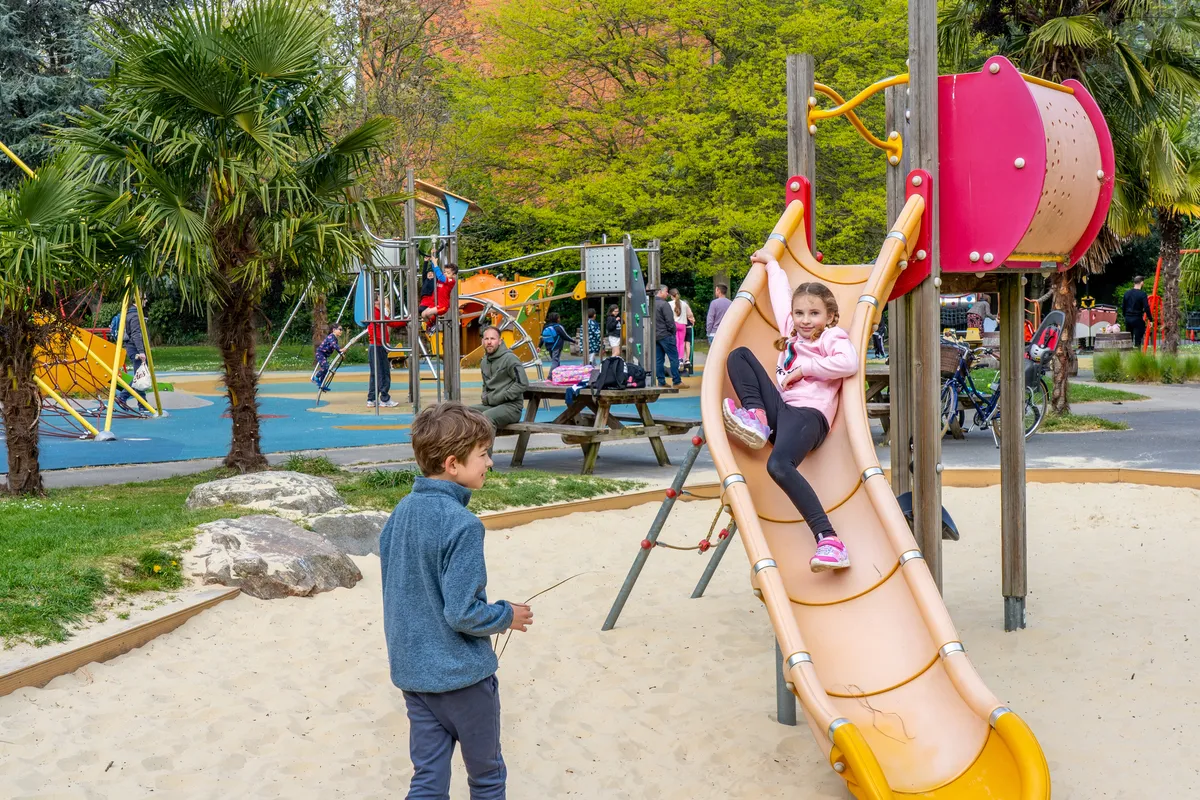
Sometimes, the biggest breakthroughs aren't flashy; they're the result of relentless, quiet work over years. Take the astonishing news that lab-grown mini brains just lived five years and developed an internal clock. This isn't just a fascinating biological curiosity; it’s a critical step toward understanding how our own brains age and how diseases like Alzheimer's take hold. Five years is an eternity for these brain organoids, and their ability to mimic natural aging processes means researchers can now study disorders with unprecedented accuracy. Similarly, a 20-year study just dropped a truth bomb about preschool, showing that a child's early classroom experiences can echo for decades, influencing success long after the finger paints are put away. This kind of longevity in research isn't just about data; it's about seeing the profound, enduring impact of decisions made today.
"For years, researchers knew that air pollution stunts lung development in children. What they hadn’t been able to show was whether cleaning up the air could actually change that trajectory." — Read the full story
Wait—What is Brightcast?We're a new kind of news feed.
Regular news is designed to drain you. We're a non-profit built to restore you. Every story we publish is scored for impact, progress, and hope.
Start Your News Detox
Smart Solutions, Ground-Up Growth
This week also highlighted how ingenious, practical solutions are emerging from unexpected places. In London, the city's Clean Air Zone has been linked to faster lung growth in children. This isn't theoretical; it's children literally breathing easier and healthier thanks to policy. Thousands of miles away in Varanasi, India, Shipu Giri, a determined IAS officer, spearheaded a movement to use 1,000 school and college rooftops to recharge groundwater. His initiative, which included reviving a river and hundreds of ponds, lifted the local water table within two years. These aren't abstract environmental efforts; they're concrete, community-driven projects that demonstrate immediate, measurable impact. If you've been wondering how large-scale problems get tackled, this week offered a masterclass in local ingenuity.

Meanwhile, Zion National Park just introduced moon-lander wheelchairs, allowing visitors with mobility challenges to navigate its rugged trails. It’s a perfect example of how thoughtful design can remove barriers and enhance experiences.
The Unseen Engines of Innovation
Behind every visible change are often unseen technological advancements quietly reshaping what's possible. Scientists at Queen Mary University of London found a secret dimmer switch for wireless devices, paving the way for more efficient, tunable communication. And a new silicon carbide transistor just laughed at 600°C heat, solving a major problem for electronics in extreme environments. These aren't front-page headlines, but they're the foundational innovations that will power the next generation of everything from your smartphone to space exploration. If you ever feel like innovation has plateaued, remember that the most exciting work is often happening at an atomic level.
Hope stat: 1,000 — the number of school and college rooftops in Varanasi now collecting rainwater, helping to recharge local groundwater.
Watch this space: Keep an eye on the development of high-performance materials as they continue to unlock new possibilities in everything from electronics to infrastructure.