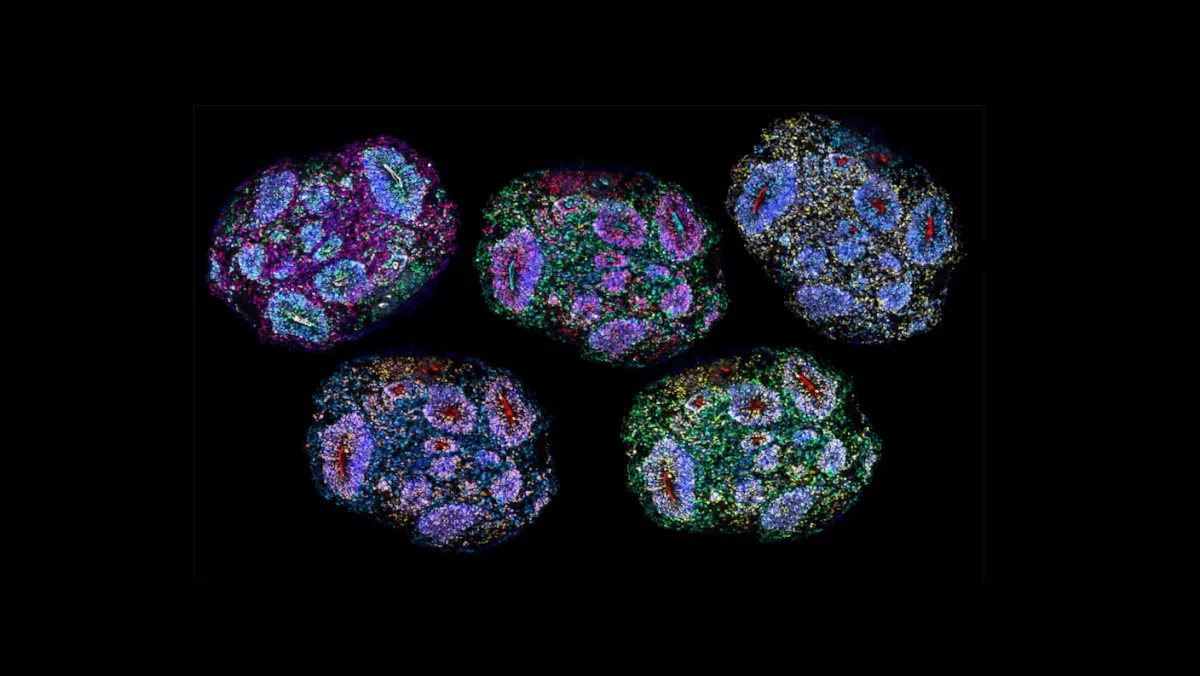
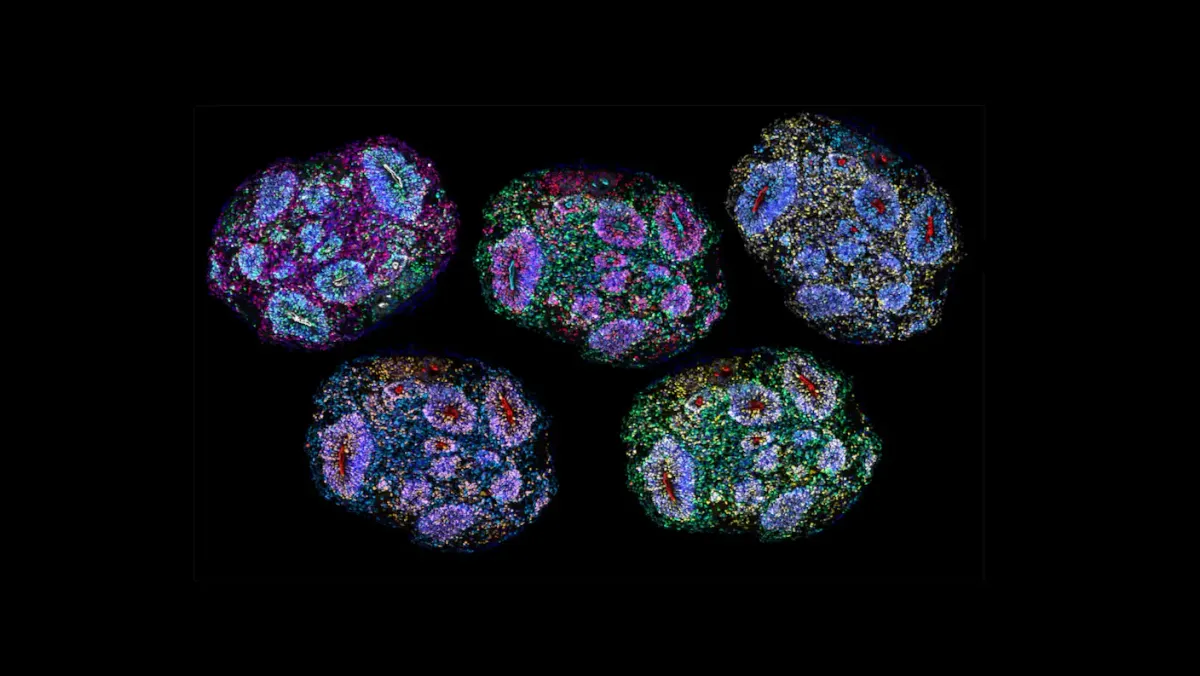
Imagine a pea-sized blob of brain tissue in a dish, quietly ticking away the years. That's essentially what a team at Harvard just achieved, keeping human brain organoids — often called "mini brains" — alive for an unprecedented five years. And here's the kicker: these tiny neural networks matured at a pace eerily similar to an actual human brain, right down to the genetic activity of a four-year-old.
For decades, scientists have used these lab-grown tissues to peek into how brains develop and what goes wrong in disorders. But there was a catch: most mini brains would flatline after a few months, limiting research to only the earliest stages of development. Think of it as trying to understand a novel by only reading the first chapter.
The Brain's Own Timeline
That all changed when Paola Arlotta's team found a way to extend their lifespan dramatically. They tracked these organoids for years, and what they discovered was both impressive and a little bit mind-bending: the cells seemed to have an internal clock.
We're a new kind of news feed.
Regular news is designed to drain you. We're a non-profit built to restore you. Every story we publish is scored for impact, progress, and hope.
Start Your News DetoxEven when cells from a year-old organoid were mixed with brand-new cells, the older ones didn't restart their development. They just kept marching forward on their own schedule, skipping the early stages and quickly forming mature neurons. It was as if they remembered how old they were. "A warping of developmental time," Arlotta called it.
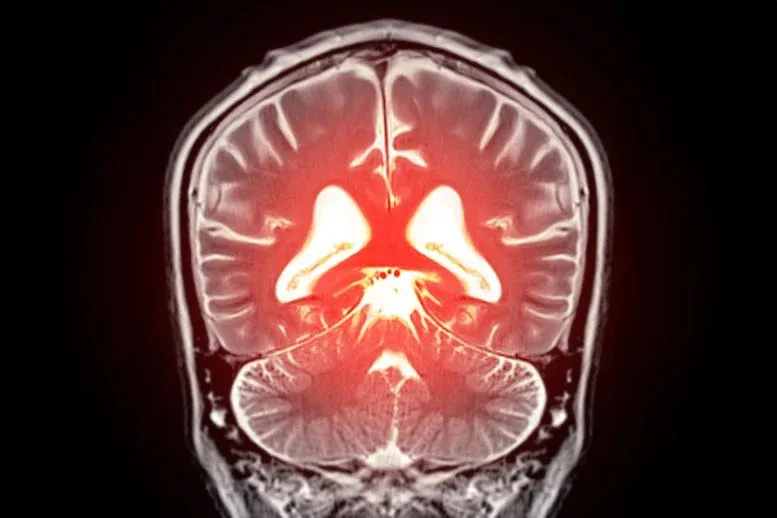
This isn't just a scientific curiosity. Many brain conditions like schizophrenia, epilepsy, and severe autism often surface in adolescence or later. To understand them, researchers need to see how a brain develops over time, not just in its fetal infancy. Now, with these long-lived organoids, they can.
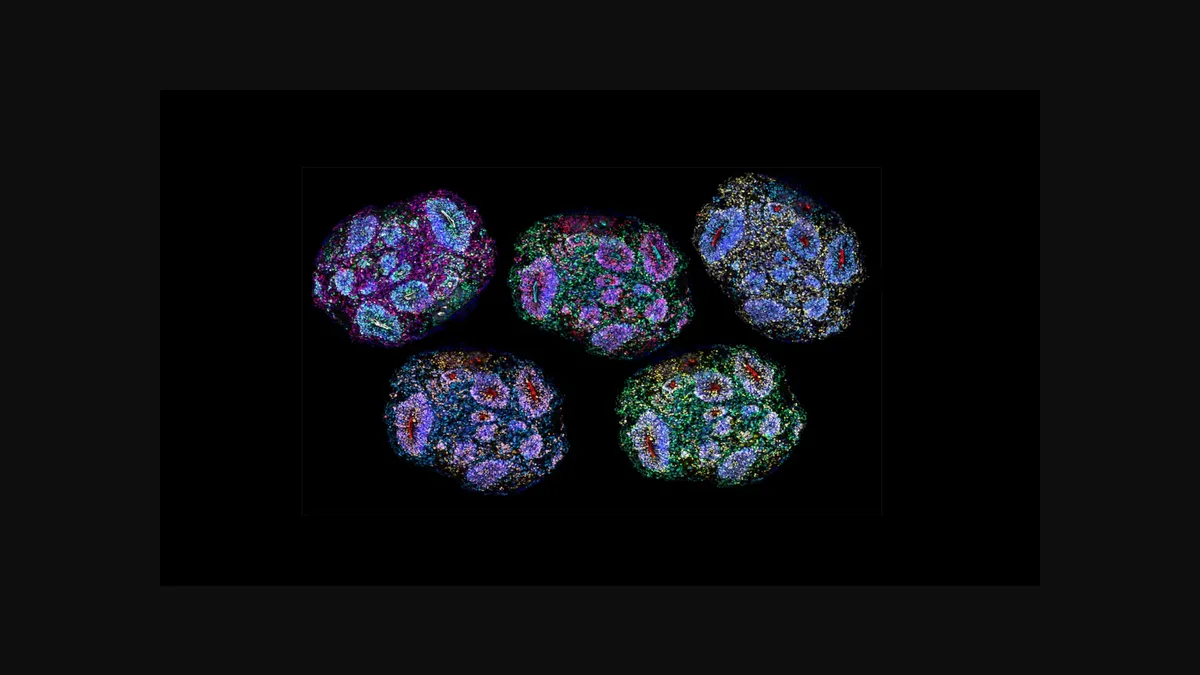
These mini brains aren't just surviving; they're thriving. They contain about two million healthy neurons and other brain cells, creating almost all types of human brain cells. The team even found that by simply changing the nutrient-rich liquid they swim in halfway through, the neurons stayed alive longer and supported more complex activity.
Of course, a molecular resemblance to a four-year-old's brain doesn't mean these blobs are contemplating their existence or asking "why?" They lack the sensory inputs and body interactions that shape a real brain. But as a blueprint for understanding development and disease, they're a massive leap forward. Researchers can now freeze organoid cells at different stages, creating "save points" for future experiments, speeding up discovery significantly.
The next step? Growing organoids from people with specific disorders like schizophrenia or epilepsy to watch the disease progress in real-time. And perhaps, eventually, exposing them to sensory inputs like sight or sound. Because apparently, that's where we are now.