Vitamin D, long hailed for its bone-building prowess, might just be moonlighting as a brain defender. New research suggests this sunshine vitamin could be a secret weapon against cognitive decline, especially for those of us collecting more birthdays than we care to admit.
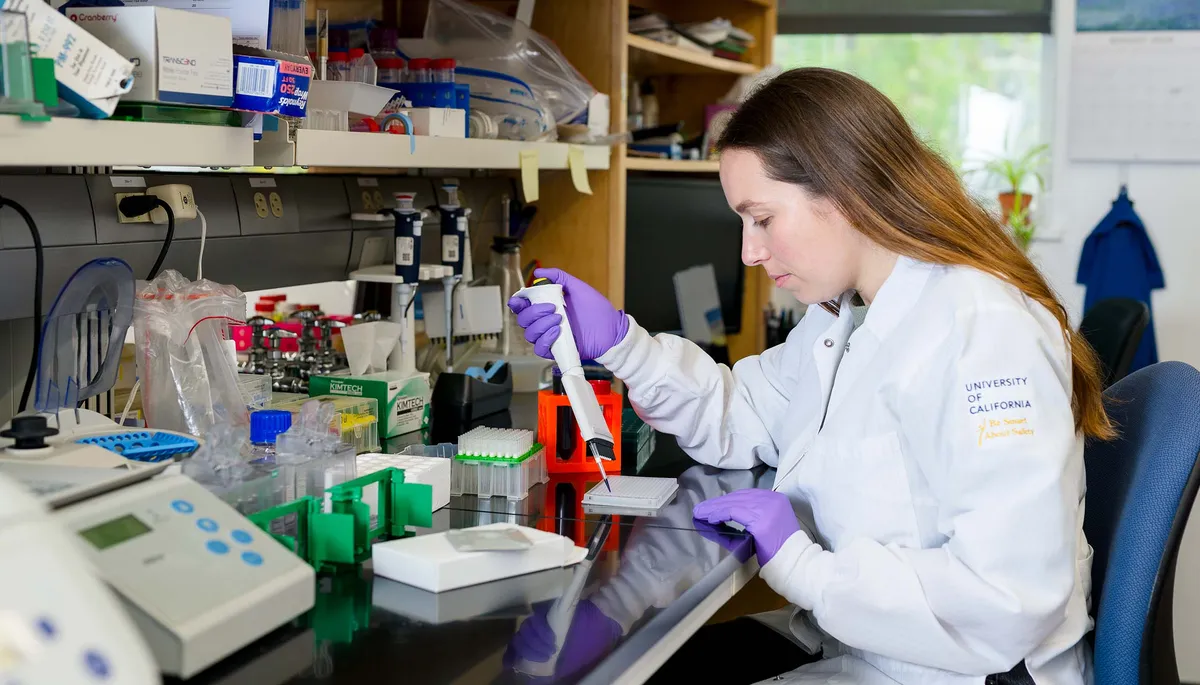
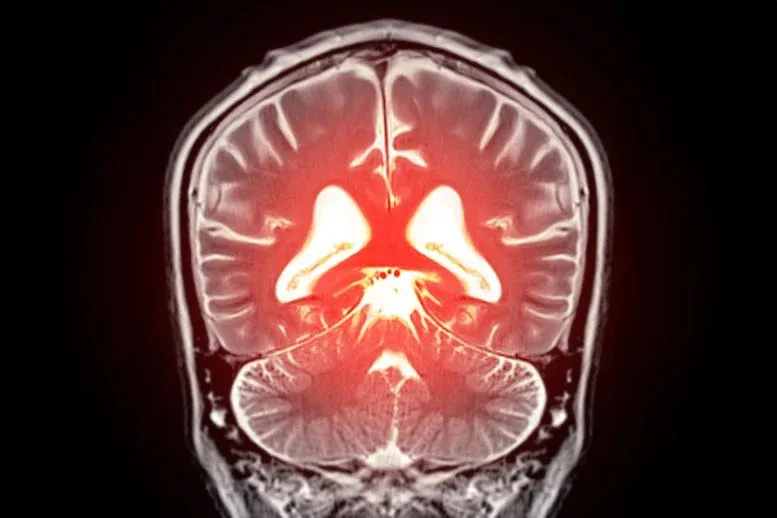
A study out of Emory University zeroed in on adults already showing early signs of dementia, like the delightful combo of sleep issues and mild cognitive impairment. And the verdict?
Those who went big on vitamin D, hitting at least 5,000 IU daily, saw their cognitive function get a noticeable boost compared to their non-supplementing counterparts. Let that satisfying 13% higher score sink in.
We're a new kind of news feed.
Regular news is designed to drain you. We're a non-profit built to restore you. Every story we publish is scored for impact, progress, and hope.
Start Your News DetoxVictoria Pak, one of the study authors, pointed out that this window — when cognitive changes are just starting — is absolutely crucial. It's like catching a tiny crack in the windshield before it spiderwebs across the whole thing. You still have a chance to do something about it.
Now, before you chug a whole bottle, this was a small study. So, more research is needed to confirm these brainy benefits on a grander scale. But it’s not exactly coming out of left field. Other studies have already linked low vitamin D levels to a higher risk of Alzheimer's and dementia, sometimes even in people still figuring out their 30s and 40s. Because apparently, brain health is no longer just a retirement plan.
The D-lightful Details
The study looked at both vitamin D2 and D3, finding both effective. But here’s the kicker: those memory and thinking improvements only kicked in at that 5,000 IU mark or higher. So, no half-measures if you’re hoping for a cognitive edge.
Despite its importance, around 40% of American adults aren't getting enough vitamin D. Which is a shame, considering its natural sources include sunlight (hello, summer!), supplements, and a few choice foods like fatty fish, fortified milk, and the humble egg yolk.
Dr. Thomas M. Holland at the Rush Institute for Healthy Aging suggests upping your intake of those healthy proteins, specifically fatty fish like tuna, salmon, sardines, and mackerel. For overall brain health, he’s a fan of dark leafy greens, berries, whole grains, and extra virgin olive oil. Basically, all the things your doctor already tells you to eat.
While a daily dose of D isn't a magic bullet to dementia-proof your brain, it might just be another tool in the arsenal. And as Alzheimer's rates continue their upward march, finding these "easy-to-change factors" like vitamin D intake becomes a pretty big deal. Just remember to chat with your doctor before adding any new supplements to your routine. Because even good things can have unintended consequences.