When you hear "dementia," you probably picture an older person, maybe struggling with a forgotten name or a misplaced set of keys. You'd be right, mostly. But a lesser-known, far more brutal version of the disease also strikes children, often caused by a single, cruel genetic glitch.
Good news: Australian researchers just found a promising shortcut in the fight against it. Turns out, some drugs already approved for other conditions might slow down brain function loss in these young patients. This means skipping years of early safety trials and jumping straight to testing their effectiveness.
A Devastating Diagnosis, A Clever Workaround
Childhood dementias, while rare, are devastating. Take Sanfilippo syndrome, the most common type. A faulty gene means a child's body can't break down a specific carbohydrate, leading to a toxic buildup in brain cells. Most children with Sanfilippo don't live past their teens.
We're a new kind of news feed.
Regular news is designed to drain you. We're a non-profit built to restore you. Every story we publish is scored for impact, progress, and hope.
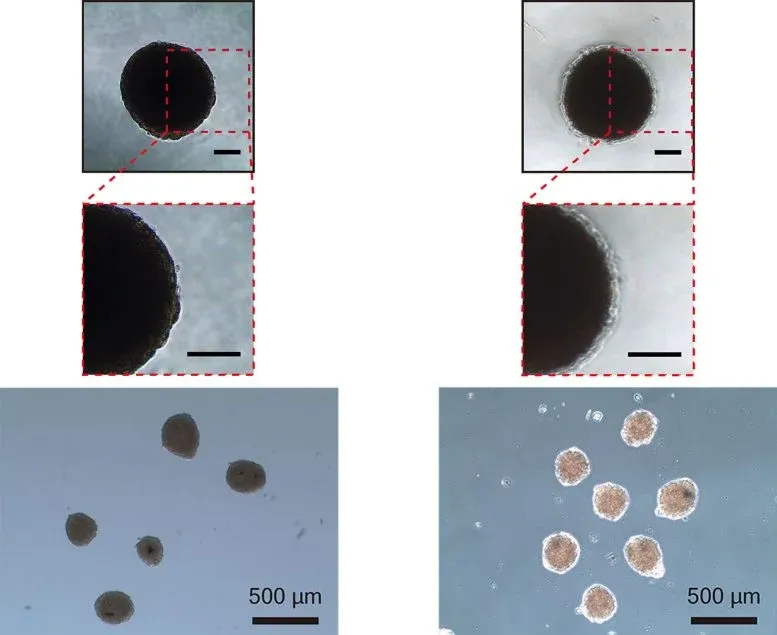
Start Your News DetoxDr. Cedric Bardy and his team didn't just throw their hands up. They got clever. They took skin cells from children with Sanfilippo, transformed them into brain neurons, and then recreated the disease in a dish. Think of it as a tiny, controllable model of a very big problem.
With this lab-grown mini-brain, they unleashed machine learning and advanced cell analysis to screen existing drugs. Not experimental compounds, but medicines already out there, approved for things like gout (probenecid) or pain relief (ketorolac).
They found at least nine compounds that showed real promise. Some reduced the toxic carbohydrate buildup. Others extended cell lifespan, offering a glimmer of hope for slowing degeneration. Still others improved communication between cells, hinting at restored cognitive abilities.
This isn't just a shot in the dark; it's a targeted approach. Because these drugs are already FDA-approved for other uses, much of the red tape and risk assessment is already handled. It dramatically fast-tracks the path to clinical trials, which, for families facing such a diagnosis, is everything.
Dr. Bardy believes this combined approach — human brain cell models plus AI-driven drug screening — can quickly identify therapies that nudge diseased cells back toward a healthier state. And the best part? This same process could work for other single-gene childhood dementias too.
While the world grapples with an aging population and the rise of adult-onset dementias, this breakthrough offers a much-needed jolt of hope for a different, often overlooked, group of patients. It's a reminder that sometimes, the solutions we need are already sitting on a pharmacy shelf, just waiting for a smart scientist to connect the dots.