Involving a patient's family and friends in mental health treatment can make them three times less likely to be admitted to a psychiatric hospital. This is according to new research on a method called Open Dialogue.
Patients who received this treatment also rated their recovery and quality of life higher.
Open Dialogue: A New Approach
Open Dialogue is a way of organizing mental health services. It focuses on the patient's priorities and ensures they see the same clinicians. Crucially, it involves people close to the patient in their treatment.
We're a new kind of news feed.
Regular news is designed to drain you. We're a non-profit built to restore you. Every story we publish is scored for impact, progress, and hope.
Start Your News DetoxThe approach was first developed in Finland in the 1980s and is now used in over 20 countries. However, research into its effectiveness has been limited until now.
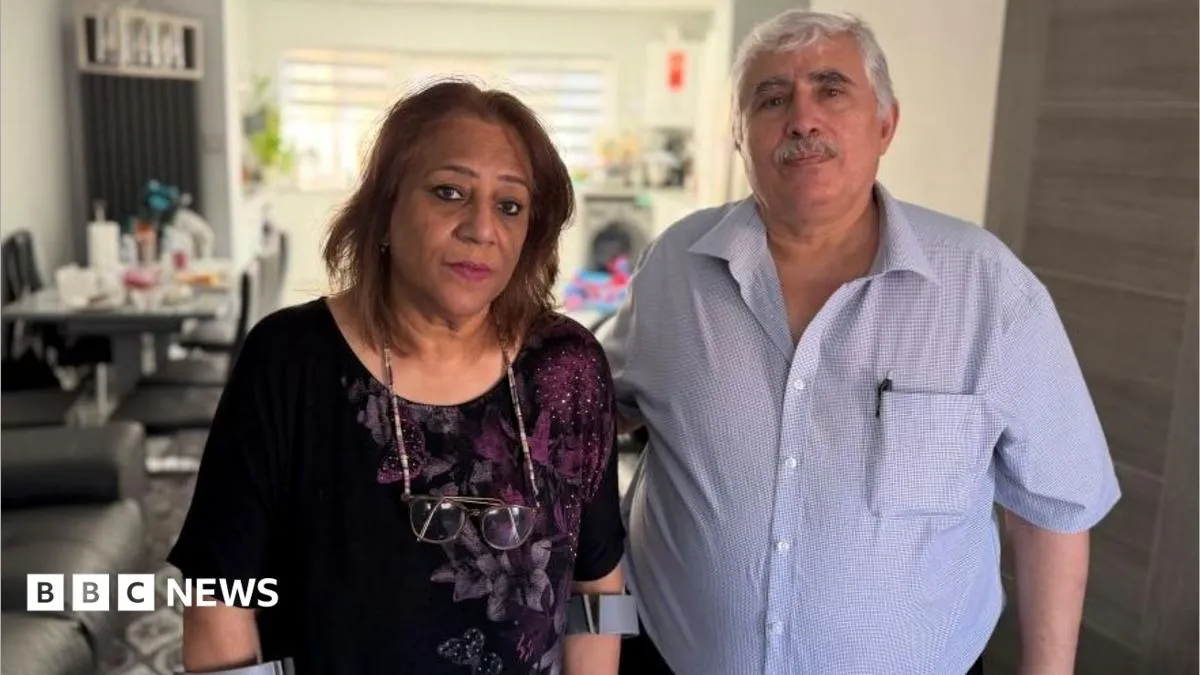
Dr. Nihad Fathi experienced the benefits of Open Dialogue. In 2020, during the Covid pandemic, he felt his life was spiraling out of control. He became anxious, depressed, and felt worthless, even contemplating ending his life.
His wife, Farah, described it as a terrifying time.
For his sessions, Nihad and Farah sit with two clinicians, Dr. Bill Travers and community psychiatric nurse David Adebayo. They have worked with Nihad for five years. Their NHS trust, North East London NHS Foundation Trust, has used Open Dialogue since 2019.
The core of Open Dialogue is "network meetings." These meetings include the patient, two Open Dialogue practitioners, and the patient's friends, family, neighbors, or colleagues. These individuals remain involved throughout the patient's recovery.
These sessions allow for open conversations about the patient's feelings, desired help, and how to achieve it. The patient's "network" can also share their observations and feelings.
Dr. Travers noted that while network meetings are longer than typical appointments, patients need fewer of them. He explained that this approach leads to a deeper understanding of the problems and helps find solutions that come from the patient and their family.
Study Findings and Implications
University College London led a major study involving 500 patients in crisis. Half received Open Dialogue, and half received traditional treatment.
The study found no significant difference in relapse rates. However, patients in the Open Dialogue group were much less likely to be admitted to a psychiatric hospital. If they were admitted, their hospital stays were, on average, half as long.
Patients in the Open Dialogue group also reported better well-being and recovery.
Dr. Russell Razzaque, a consultant psychiatrist and the trial's clinical lead, believes these findings could change how the NHS provides psychiatric care. He highlighted the potential for significant cost reduction by spending less on expensive inpatient beds.
However, consultant psychiatrist Dr. Sameer Jauhar suggested that the benefits might be due to the extra resources in the trial. He believes more research is needed to confirm if Open Dialogue itself, beyond good community care, adds extra benefit.
For Farah, Open Dialogue was crucial for Nihad. She said it helped someone hear and understand him, which allowed him to see a better future.
Deep Dive & References
Information and support suicide feelings of despair - BBC Action Line