A new stem cell treatment has shown promise in restoring vision for people with aniridia-related keratopathy (ARK). This rare genetic eye condition previously had no effective treatment.
In a first-of-its-kind human trial, a special scaffold carrying two types of stem cells improved vision and the health of the eye's surface. Researchers at Moorfields Eye Hospital and University College London (UCL) published these findings in JAMA Ophthalmology.
Understanding Aniridia-Related Keratopathy
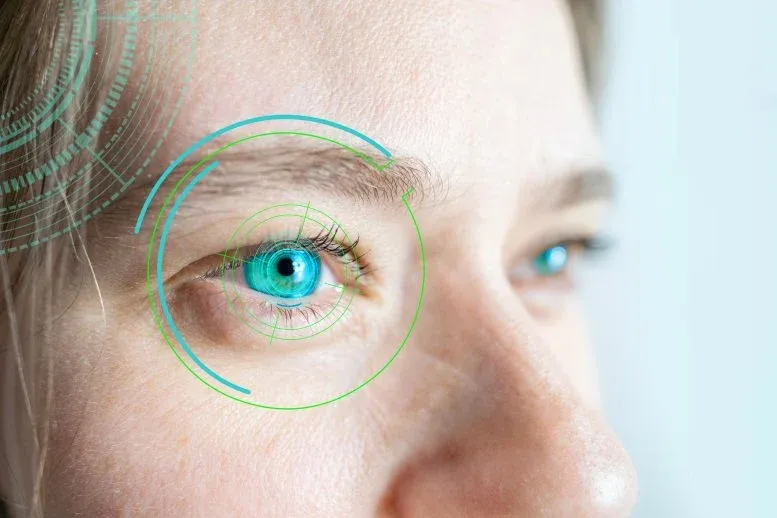
Aniridia is an eye disorder that affects limbal stem cells. These cells are found where the white part of the eye (sclera) meets the clear front part (cornea). The condition is often inherited and can lead to severe vision loss.
We're a new kind of news feed.
Regular news is designed to drain you. We're a non-profit built to restore you. Every story we publish is scored for impact, progress, and hope.
Start Your News DetoxARK is a specific type of aniridia caused by a change in the PAX6 gene. It affects about one in 40,000 to one in 100,000 people. When there aren't enough limbal stem cells, abnormal tissue can grow over the cornea. This makes the cornea cloudy and thick, gradually worsening vision.
A New Dual Stem Cell Approach
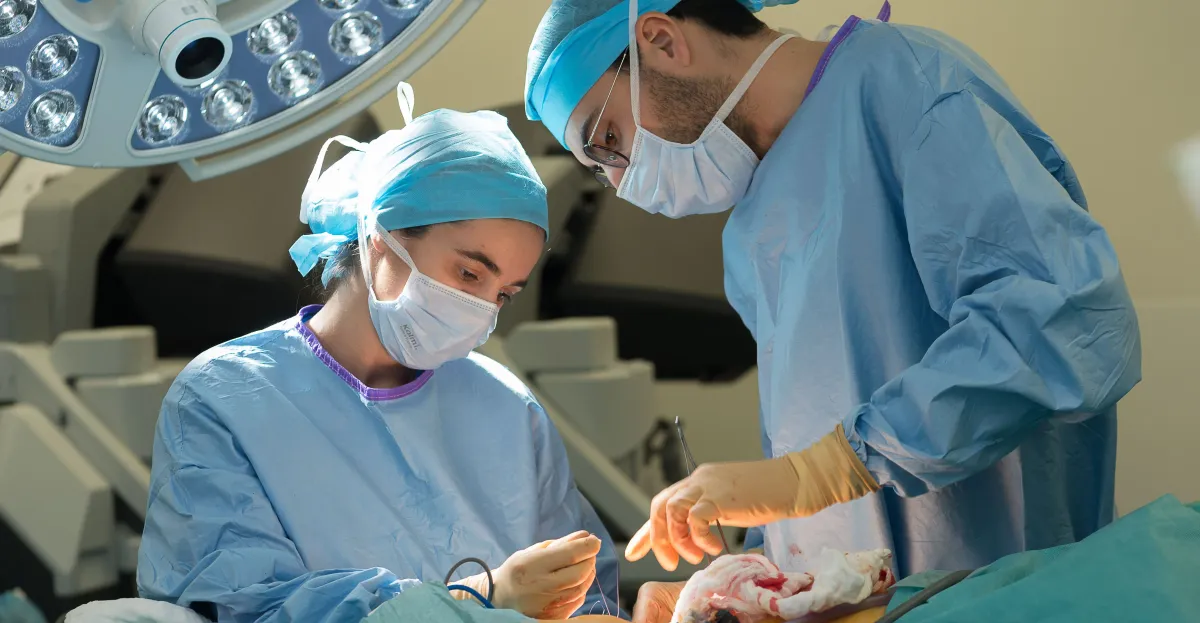
Researchers at Moorfields and UCL created a collagen scaffold. This scaffold was designed to deliver two kinds of stem cells: limbal epithelial stem cells and stromal stem cells. These cells were placed directly onto the affected part of the eye.
Nine patients participated in the trial. Each patient received the treatment in one eye, while their other eye was left untreated to serve as a comparison.
Promising Results from the Trial
The treated eyes showed clear improvements. At the start, treated eyes had an average ocular surface score (OSS) of 9.4, indicating moderate to severe damage. After three months, this score improved to 5.9, and after twelve months, it was 6.7. Untreated eyes showed little change, with an average score of 8.0 after twelve months. Lower scores mean a healthier eye surface.
Vision also got better. Patients' scores on the ETDRS vision test improved by an average of 24 letters. This is like reading almost five more lines on a standard eye chart.
Professor Sajjad Ahmad, a consultant ophthalmic surgeon at Moorfields Eye Hospital and a professor at the UCL Institute of Ophthalmology, highlighted the significance of these results. He noted this is the first time a collagen scaffold with two types of stem cells has been used effectively for this condition. The team now plans a larger trial, hoping this treatment will become available through the NHS.
Deep Dive & References
Combined Limbal Epithelial and Stromal Cell Transplant for Aniridia-Related Keratopathy: A Nonrandomized Clinical Trial - JAMA Ophthalmology, 2026