Remember Grey's Anatomy? Dr. Miranda Bailey once orchestrated a 12-person kidney transplant chain, where six strangers gave kidneys, and six people got new ones. Turns out, that dramatic plotline is now a fairly common medical reality in the U.S. And it's making us wonder: If living donors are a lifeline for kidneys, why aren't we doing the same for livers?
Kidneys and livers account for over 90% of the U.S. organ waiting list. While kidneys have seen a surge in living donations, livers are lagging way behind. This isn't for lack of willing donors or medical possibility. It's more about the systems — or lack thereof — to make it happen.
Here's the wild part: The liver is the only organ in your body that can regrow itself, typically within six to eight weeks. Donating part of one comes with risks, of course, but most donors go on to live perfectly healthy lives. Yet, only about 6% of the 12,000 liver transplants last year came from living donors. India, by comparison, relies on living donors for 81% of its liver transplants.
We're a new kind of news feed.
Regular news is designed to drain you. We're a non-profit built to restore you. Every story we publish is scored for impact, progress, and hope.
Start Your News DetoxThe Kidney vs. Liver Conundrum
For kidneys, living donors are a huge deal. Roughly 24% of kidney transplants in 2025 used them. Organizations like the National Kidney Registry (NKR), founded in 2007, have slashed wait times and made nearly 11,000 paired exchange transplants possible. In a paired exchange, two patients with incompatible donors simply swap, ensuring both get a kidney their body won't immediately reject. It’s like a medical dating app, but with much higher stakes.
Livers? Not so much. The U.S. has the potential supply of living donor livers, but we just haven't built the infrastructure to match. Think of it as having all the ingredients for a five-star meal, but no kitchen.
Living liver donations are crucial because, unlike kidney failure (where dialysis can buy time), end-stage liver failure has only one treatment: a new liver. About one in five liver transplant candidates die waiting. And while deceased donor organs are vital, living donors offer scheduled surgeries, shorter travel times for the organ, and often better survival rates. Plus, as Dr. Jonathan Cullen, a liver transplant surgeon, puts it: "for each living donor transplant that you do, you are actually doing two transplants." You save one person, and free up a deceased donor organ for another.
Earlier this year, the University Health Transplant Institute in San Antonio pulled off the country's largest living donor liver exchange, involving seven pairs. That's 14 surgeries, all intricately matched by blood type and liver size. It's an incredible feat, but also highlights the sheer complexity when systems aren't standardized.
Breaking Down the Barriers
So, if living liver transplants are such a win, why aren't we doing more? The reasons are a frustrating mix of logistics, funding, and training.

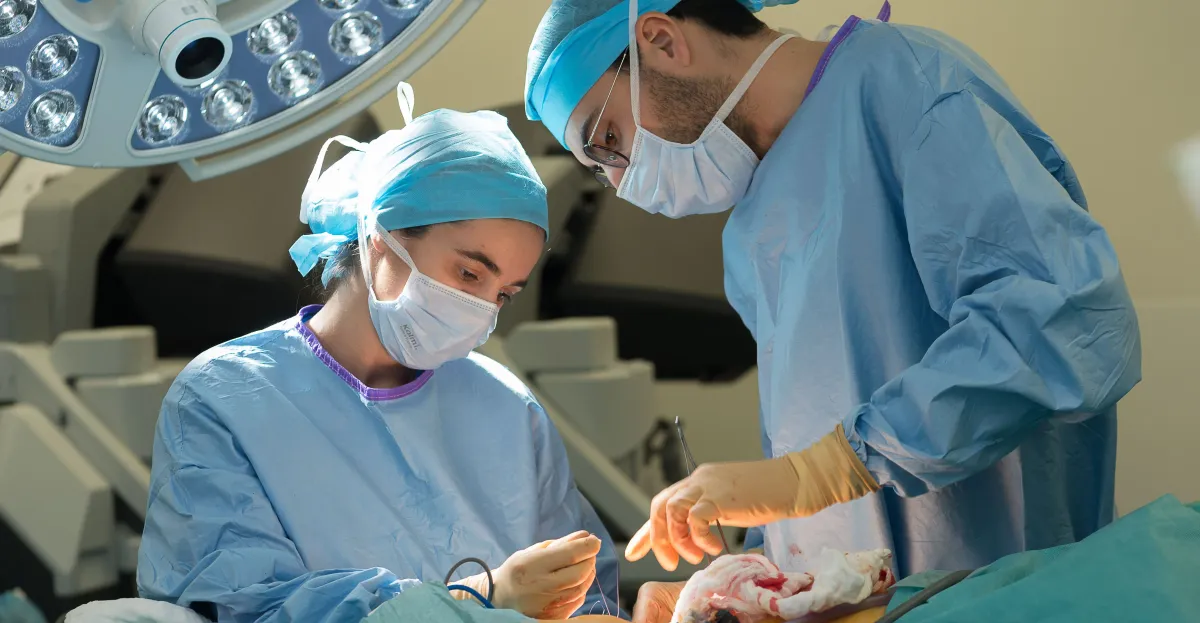
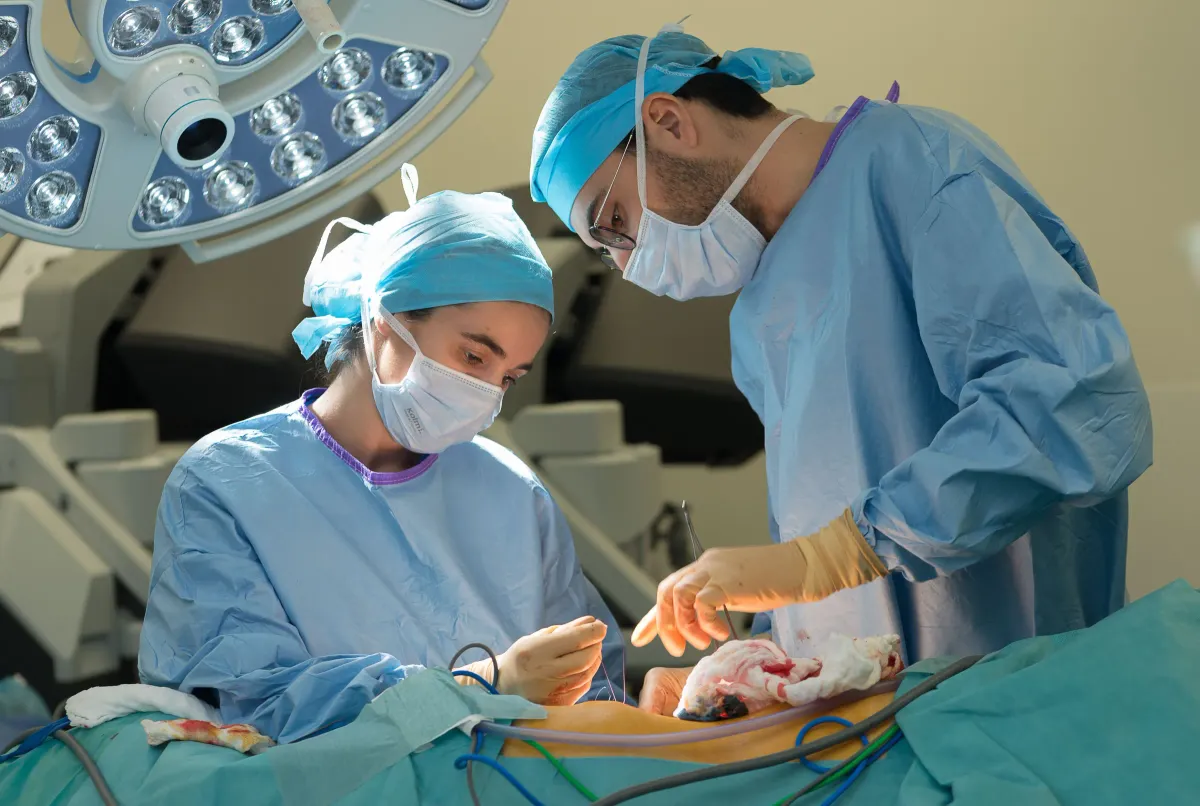
Many transplant centers simply don't have living donor programs, meaning fewer surgeons get the necessary experience. These surgeries are also resource-intensive; that seven-pair exchange in San Antonio needed two attending surgeons for each donor operation and up to four for recipients. That's a lot of highly specialized hands on deck.
Unlike kidneys, there's no central matching organization for living donor livers, no standardized rules for screening, allocation, or even how the organs are chosen. This fragmented approach makes collaboration between centers difficult. Economist Alvin Roth, a Nobel laureate who optimized kidney matching, believes similar algorithms could work for livers. But without funding, a national infrastructure boost is a tough sell.
Then there's the donor experience. Living liver donors often have to travel, pay for lodging, and take weeks off work. While recipient insurance usually covers the big stuff, things like follow-up appointments and lost income can add up. As Dr. Julie Heimbach, director of the Transplant Center at Mayo Clinic, succinctly puts it, "Nobody should have to go into debt to be a donor, for goodness sakes."
And finally, there's the cold ischemia time – the window an organ can survive outside the body. Kidneys are chill; livers are not. They need to be transplanted quickly, limiting how far they can travel. A 2023 pilot program for nationwide liver paired donation, which tried to move donors instead of organs, ultimately failed, partly because asking people to relocate for surgery is a huge ask.
But there's hope. New preservation technology uses external pumps to circulate oxygenated blood through organs, keeping them viable much longer than the old icebox method. This could mean organs, not just donors, could travel further.
The American Liver Foundation also just launched the first non-directed living liver donation network, connecting altruistic strangers with transplant centers. It's already saved two lives.
Kidney donation has been transformed by smart algorithms, shared standards, and trained surgeons. Living liver donation faces more hurdles, but the blueprint for revolutionizing the process and saving thousands of lives is right there. And if we can get that sorted, as transplant hepatologist Alyson Kaplan says, "everyone would be interested in it."