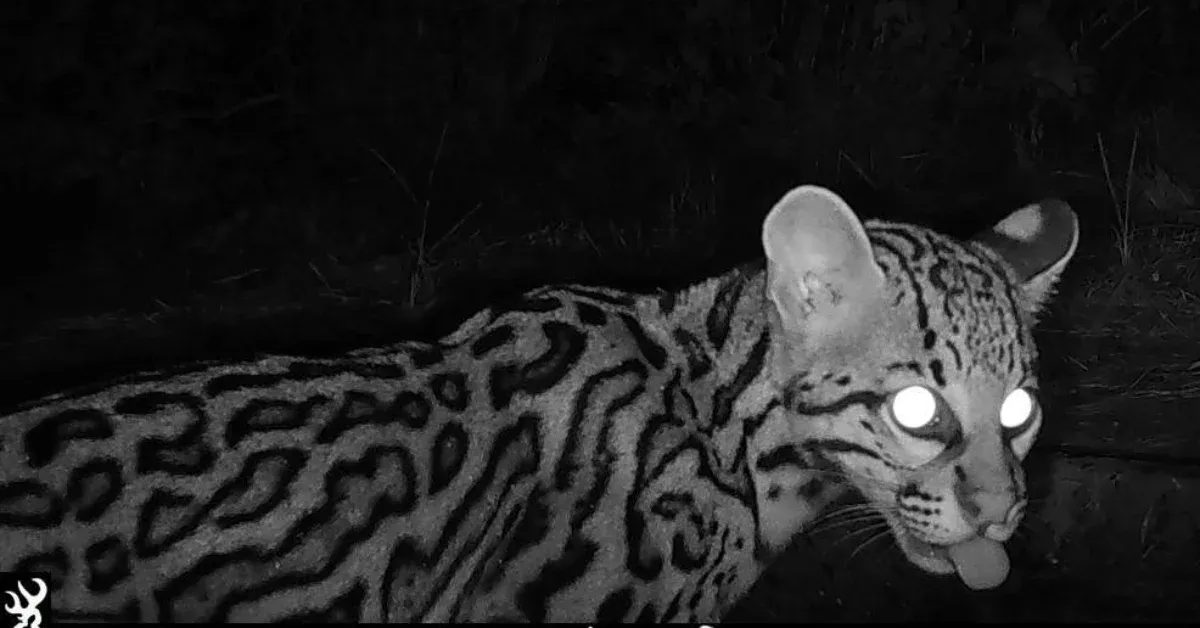
Ocelots, a medium-sized wild cat, once lived across the American Southwest. Now, fewer than 100 wild ocelots remain in the United States.
Loss of their natural homes, farming, and roads threaten the ocelot population. Most ocelots live in the Laguna Atascosa National Wildlife Refuge in Texas. This 120,000-acre refuge still required the cats to cross a busy road to find the dense habitat they need.
Wildlife Crossings Offer a Solution
In 2013, Texas started building eight wildlife underpasses on FM 106. This included a road near the wildlife refuge. Construction began in 2015 and finished in 2019.
We're a new kind of news feed.
Regular news is designed to drain you. We're a non-profit built to restore you. Every story we publish is scored for impact, progress, and hope.
Start Your News DetoxA few months later, ocelots started using them. The state's Fish and Wildlife Service and Department of Transportation use trail cameras to watch the animals.
On January 25, 2020, cameras caught the first ocelot using an underpass. This was a key species the underpasses were built to protect.
The ocelot was OM331, a 5-year-old wearing a tracking collar. He was part of a study that followed five ocelots between 2013 and 2021.
"OM331 crossed beneath the FM106 roadway," a press release from the U.S. Fish and Wildlife Service reported. "He took more than a week to actually use the underpass to travel to the other side of the road — without ever needing to cross the road surface."
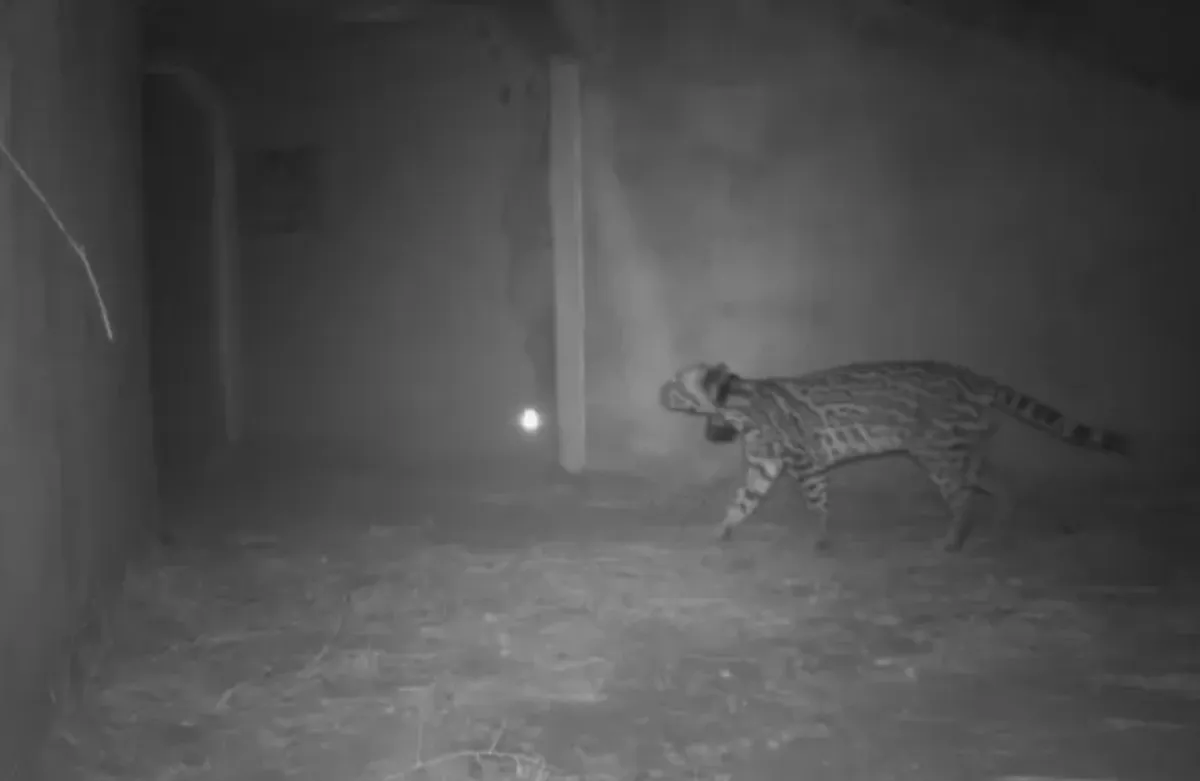
Animals can take years to get used to new crossing structures, according to a 2024 study. This suggests that more animals will use them over time. Seeing even one ocelot so soon was a good sign.
Expanding the Program
Vehicle collisions cause about 40% of ocelot deaths. Underpasses and other crossing structures are vital to stop the population from shrinking further.
After seeing the success of these first underpasses, the Texas DOT applied for grant money in 2023. They received $1.8 million to build more wildlife crossings. This funding came from the Bipartisan Infrastructure Law, which set aside $350 million for wildlife crossing projects nationwide.
Laguna Atascosa was one of the first 19 projects to get funding. Former Federal Highway Administrator Shailen Bhatt said these investments will reduce collisions and help both motorists and wildlife.
The Texas Department of Transportation has built 32 animal crossings across the state. Twenty-one of these are in South Texas specifically for ocelots. These crossings help prevent extinction for one of the last breeding populations in the U.S.
Many other species also benefit. TxDOT environmental specialist John Young Jr. noted that cameras have documented 26 different species using the crossings. These include mountain lions, alligators, bobcats, coyotes, and various other animals.
Deep Dive & References
It's the first! Ocelot crosses under road - U.S. Fish and Wildlife Service, 2020 Wildlife Crossing Structures: A Review of Their Effectiveness and Factors Influencing Use - Environmental Management, 2024 Roads are major cause of Texas ocelot deaths - The Wildlife Society, 2023 Wildlife Crossings Pilot Program - Federal Highway Administration Texas receives $1.8 million to build more wildlife crossings - Yahoo News, 2023 TxDOT wildlife crossings keeping animals safe - TxDOT, 2023