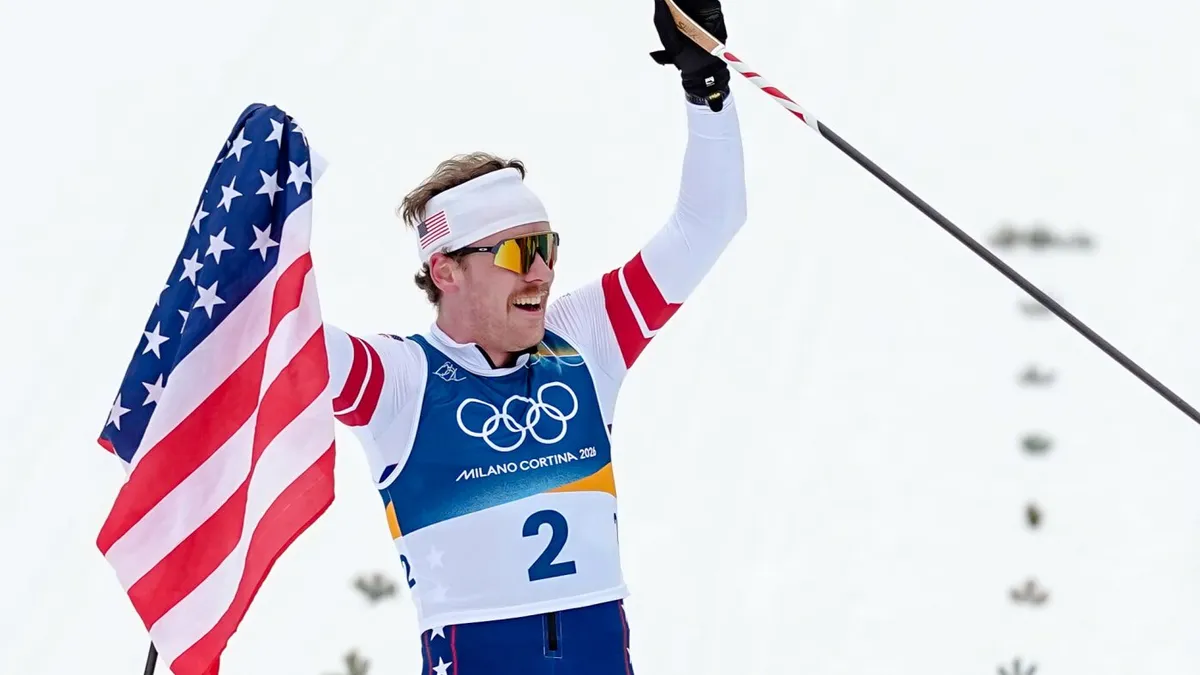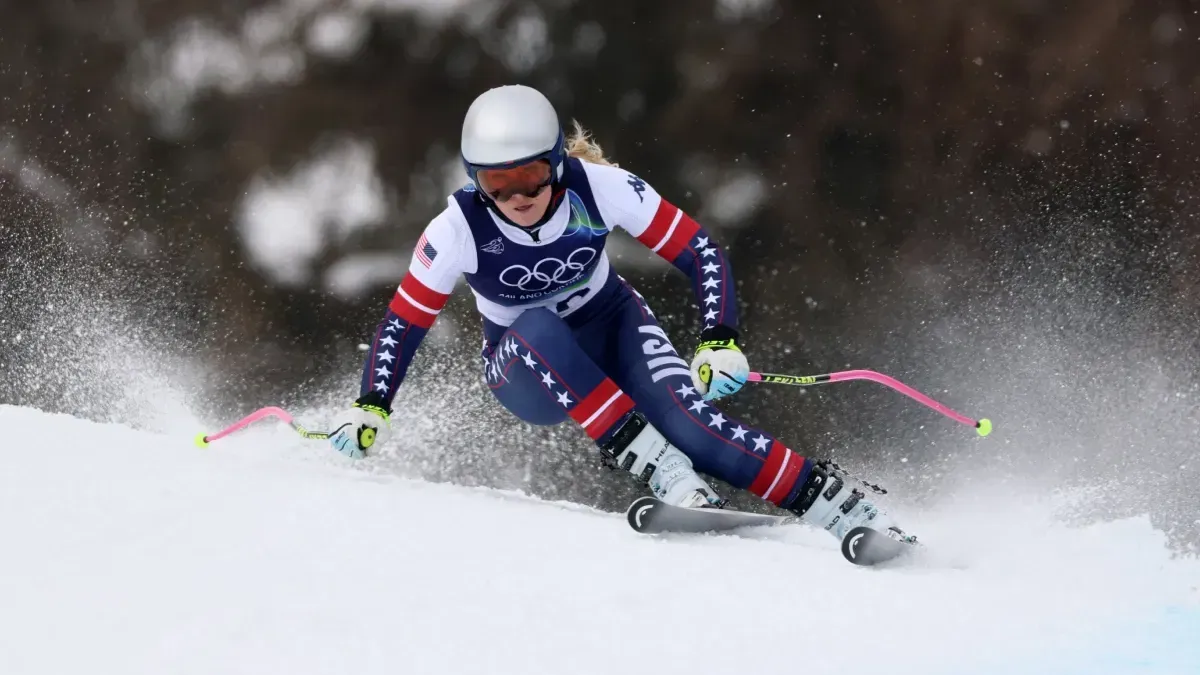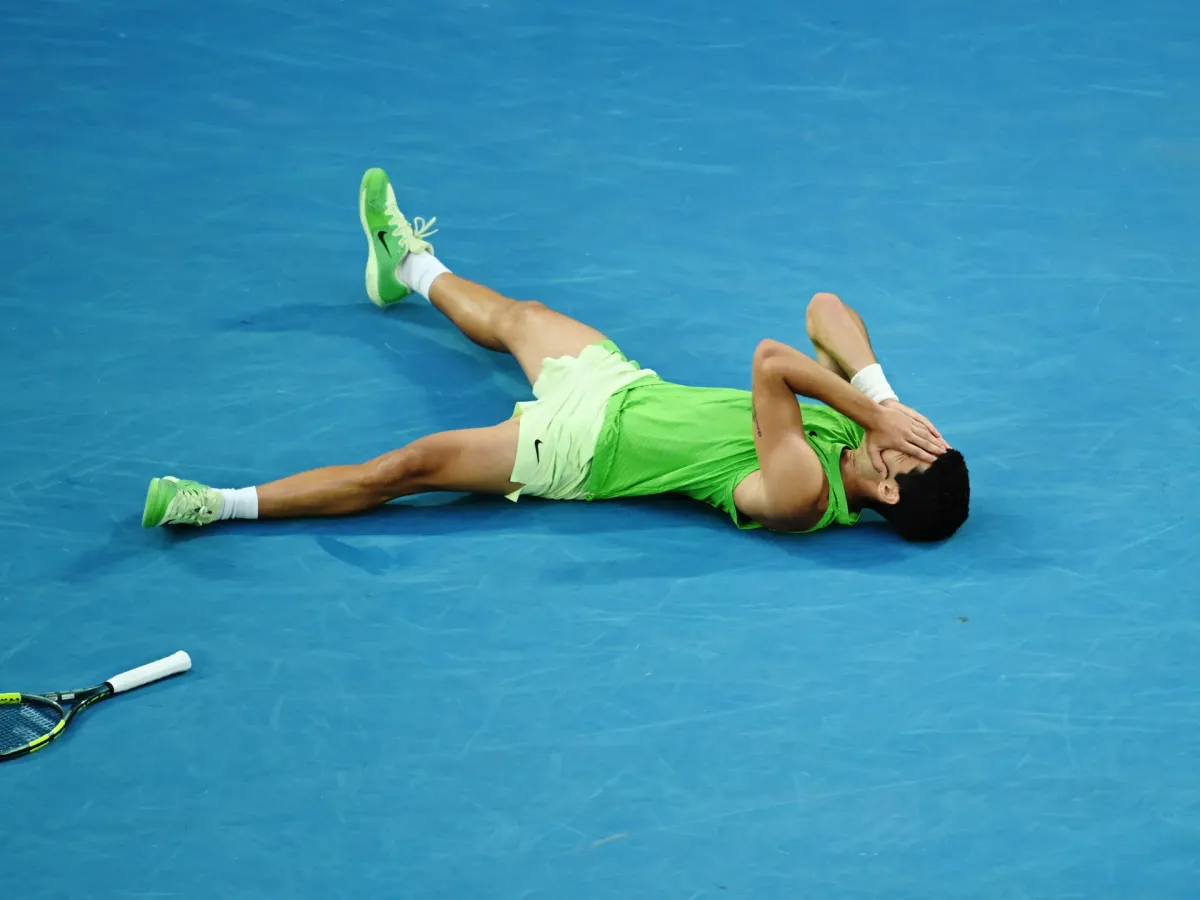

Lindsey Vonn is back on skis after a partial knee replacement. Chloe Kim is chasing a three-peat in halfpipe. And for the first time in over a decade, the world's best hockey players will actually show up to the Olympics.
But the 2025 Winter Games in Milan-Cortina are about more than medal counts and personal redemptions. They're a test of how the sport handles geopolitical tension, environmental strain, and what fairness really looks like in elite athletics.
The Comeback Generation
American athletes across multiple disciplines are returning after years away, and they're not coming back as nostalgic footnotes. Lindsey Vonn, the winningest female skier in history, retired in 2019 but decided to race again. Figure skater Alysa Liu reversed her own teenage retirement and now holds a 2025 world title. Maddy Schaffrick qualified for her first Olympics at 31, more than a decade after burnout forced her out. Alpine skier Breezy Johnson is chasing redemption on the same Cortina slopes that destroyed her knee just weeks before Beijing 2022.
We're a new kind of news feed.
Regular news is designed to drain you. We're a non-profit built to restore you. Every story we publish is scored for impact, progress, and hope.
Start Your News DetoxThese aren't feel-good stories about aging athletes getting one more shot. They're about people who left the sport, lived other lives, and came back because they had something unfinished. The difference matters.
Mikaela Shiffrin, already the most decorated skier ever, wants to erase Beijing 2022—where she missed the podium in all five of her events. She's back in top form in slalom. The U.S. figure skating team is its strongest in years, with Alysa Liu, Amber Glenn, and Isabeau Levito competing for the country's first women's singles gold since 2002. Ilia Malinin is favored to land the first-ever quadruple axel at the Olympics.
The New Arrivals
NHL players are finally coming to the Winter Olympics after a 12-year absence. Connor McDavid, Auston Matthews, Nathan MacKinnon—the sport's elite will compete for their countries. That changes everything about men's hockey.
Ski mountaineering, or "skimo," makes its Olympic debut. Athletes race both uphill and downhill, a format that demands a different kind of endurance. American stars Anna Gibson and Cameron Smith are among those competing.
Women's cross-country skiing reaches a milestone: for the first time, female skiers will race in the same number of events and distances as men. That's not a small thing in a sport where gender parity has been a years-long fight.
The Complications
The Dolomites, a UNESCO World Heritage site, are feeling the strain. Water usage and construction for the Games have drawn criticism from environmental groups, who say the organizers' sustainability claims amount to greenwashing. The scale of these Games—spread across roughly 8,495 square miles with four competition clusters and six Olympic villages—is unprecedented for a Winter Olympics. Logistics are one problem. Ecological impact is another.
Geopolitical tension hangs over the competition. The Trump administration's recent disputes with European leaders over issues like Greenland could create friction. Some Italian politicians have raised concerns about U.S. Immigration and Customs Enforcement agents helping with security.
Trust in anti-doping enforcement remains fragile after the World Anti-Doping Agency faced criticism for failing to properly investigate doping scandals ahead of recent Olympics. A small number of heavily vetted Russian and Belarusian athletes will compete as "Individual Neutral Athletes" without national symbols—the same arrangement used in Paris 2024.
What's Possible
The U.S. won 25 medals in 2022, placing 5th overall. With NHL players back in men's hockey and new strength in figure skating, ski jumping, and long track speedskating, the medal count could shift. Jordan Stolz, Erin Jackson, and Brittany Bowe lead one of the strongest American speedskating teams in decades.
Snowboarders Chloe Kim, Ester Ledecka, and Anna Gasser are all chasing history—a three-peat gold medal across three consecutive Winter Olympics. That's never been done.
The U.S. men's cross-country team is still a long shot for medals after a 46-year drought, but Alaskan Gus Schumacher offers genuine hope. Bobsledders Kaillie Humphries and Elana Meyers-Taylor are back competing after giving birth, aiming to add to their already impressive medal hauls.
For the first time since 2005, the U.S. won't be represented by curling legend John Shuster. A crew of Gen-Z curlers led by 24-year-old Danny Casper defeated his team at the 2025 trials. That's generational change in real time.
These Games are sprawling, complicated, and full of unfinished business—both athletic and environmental. The comebacks are real. The new possibilities are real. So are the costs.