The 2026 Winter Olympics are coming to Cortina d'Ampezzo, a mountain town in Italy's Dolomites where peaks rise above 3,000 meters and skiers will descend 750 meters in a single run. But getting there means solving a problem that's becoming harder to ignore: snow.
Northern Italy's snowfall was below average when the season started. A February storm helped, but the underlying challenge remains — as global temperatures rise, the conditions that make winter sports possible are becoming less reliable. The Olympics organizers aren't pretending this away. Instead, they're building infrastructure to work with the reality they face.
Manufactured snow and renewable power
The venues across Cortina and Milan are now using automated snowmaking systems powered largely by renewable energy. New high-elevation reservoirs were built to store water for snow production, and the systems are calibrated to use only what's necessary. It's not ideal — it's a workaround — but it's a workaround that keeps the Games viable without burning through resources.
We're a new kind of news feed.
Regular news is designed to drain you. We're a non-profit built to restore you. Every story we publish is scored for impact, progress, and hope.
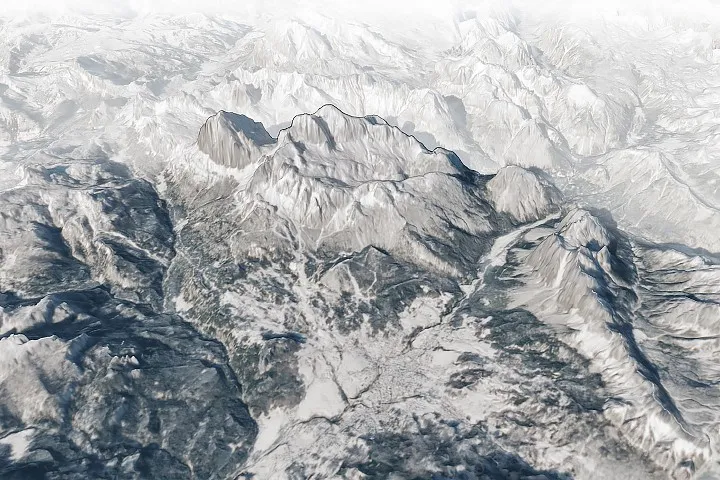
Start Your News Detox Landsat image of Cortina d'Ampezzo in false color, highlighting snow cover. Image: NASA Earth Observatory
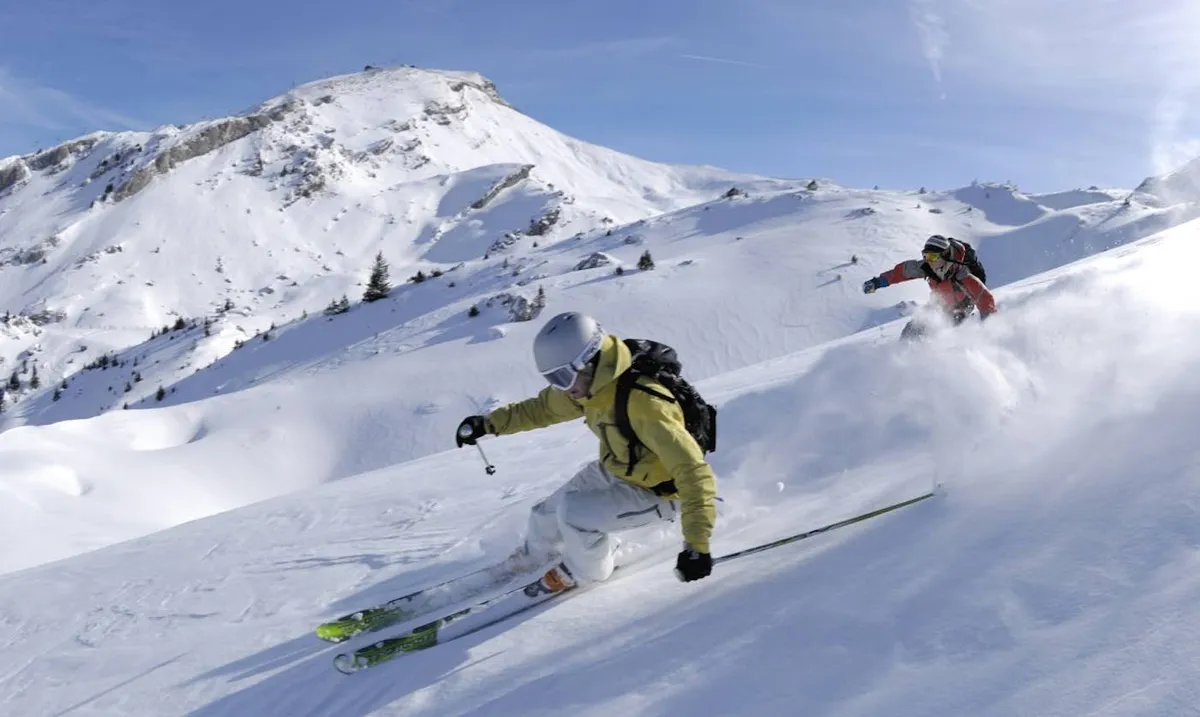
The Tofane Alpine Skiing Centre sits on Tofana di Mezzo, the Dolomites' third-highest peak. Skiers on the Olympia delle Tofane course will navigate a 33-degree chute called the Tofana Schuss — bounded by rock walls, designed for speed. Elsewhere, bobsledders and skeleton racers will use a rebuilt version of the track from the 1956 Cortina Olympics. Curlers will compete in a stadium originally built for figure skating seventy years ago.
What's interesting here is that the infrastructure isn't new. Cortina hosted the Winter Olympics once before. This time, the town is working with what it has while acknowledging what's changed.
What comes next
Researchers studying Olympic resilience have suggested broader shifts: holding winter competitions at higher elevations where conditions are more stable, distributing events across multiple countries to reduce the pressure on any single region, or moving the Paralympics from early March to January or February when snow is more reliable. These aren't radical ideas — they're practical adjustments to a shifting climate.
The 2026 Games won't solve climate change. But they're showing what adaptation looks like in real time: using technology responsibly, working with geography rather than against it, and being honest about constraints instead of ignoring them.