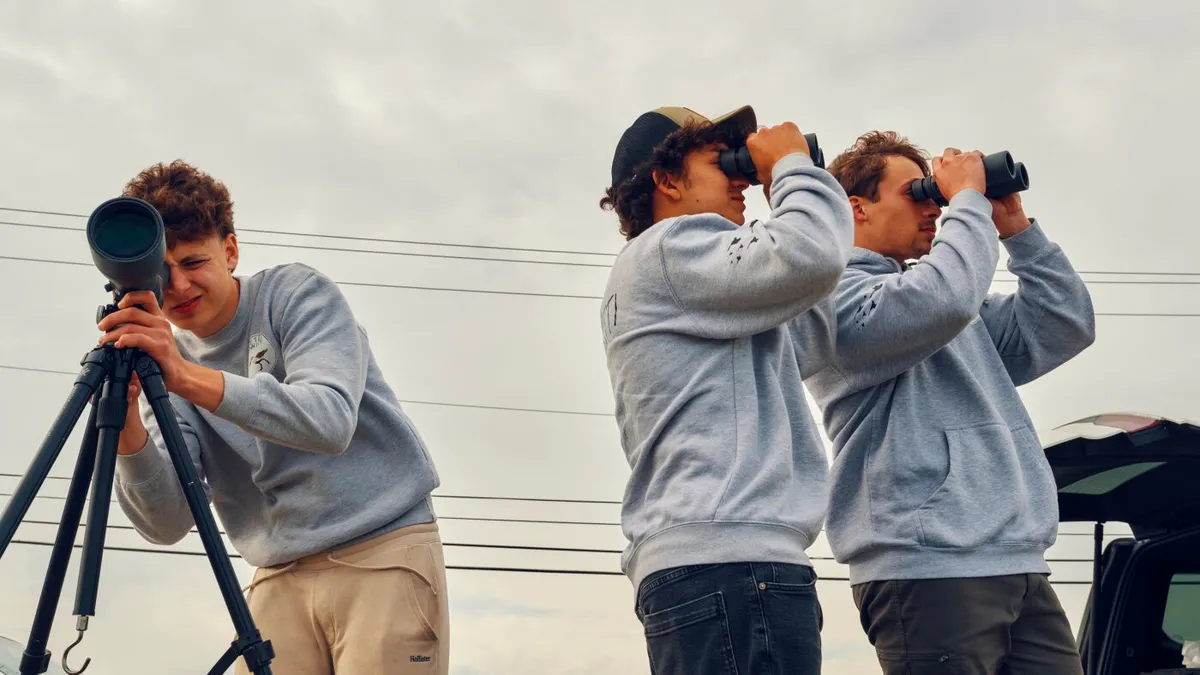
Just after midnight in northern New Jersey, three teenagers jumped out of an SUV. They sprinted across a field and vaulted a fence. Their goal was to spot a sleeping parrot's tail through binoculars.
After 10 minutes, 16-year-old Otys Train called out, "I got the monk parakeet!" He and his friends, 17-year-old Jack Trojan and 16-year-old Zade Pacetti, had found their first bird for the 43rd annual World Series of Birding. The competition began at midnight, and they had 24 hours to count as many bird species as possible in New Jersey.

The teenagers were joined by their fathers: Mark Trojan, Chris Pacetti, and Jeff Train. The dads drove the van and made sure their sons stayed hydrated and ate, beyond just energy drinks and M&Ms.
We're a new kind of news feed.
Regular news is designed to drain you. We're a non-profit built to restore you. Every story we publish is scored for impact, progress, and hope.
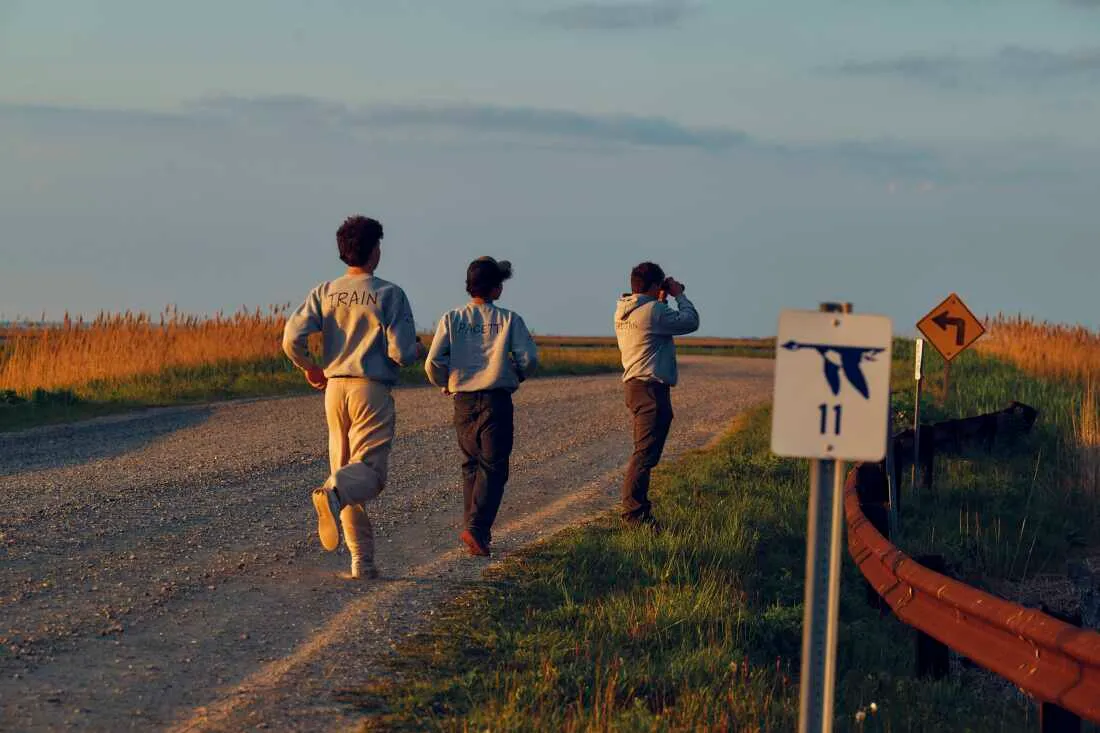
Start Your News DetoxThe team, called The Pete Dunnelins, wore matching gray sweatshirts. Their name combines "dunlins," a shorebird, and Pete Dunne, who founded the World Series of Birding in 1984. The New Jersey Audubon nonprofit organizes the event as both a competition and a fundraiser for conservation.
A Passion for Birding
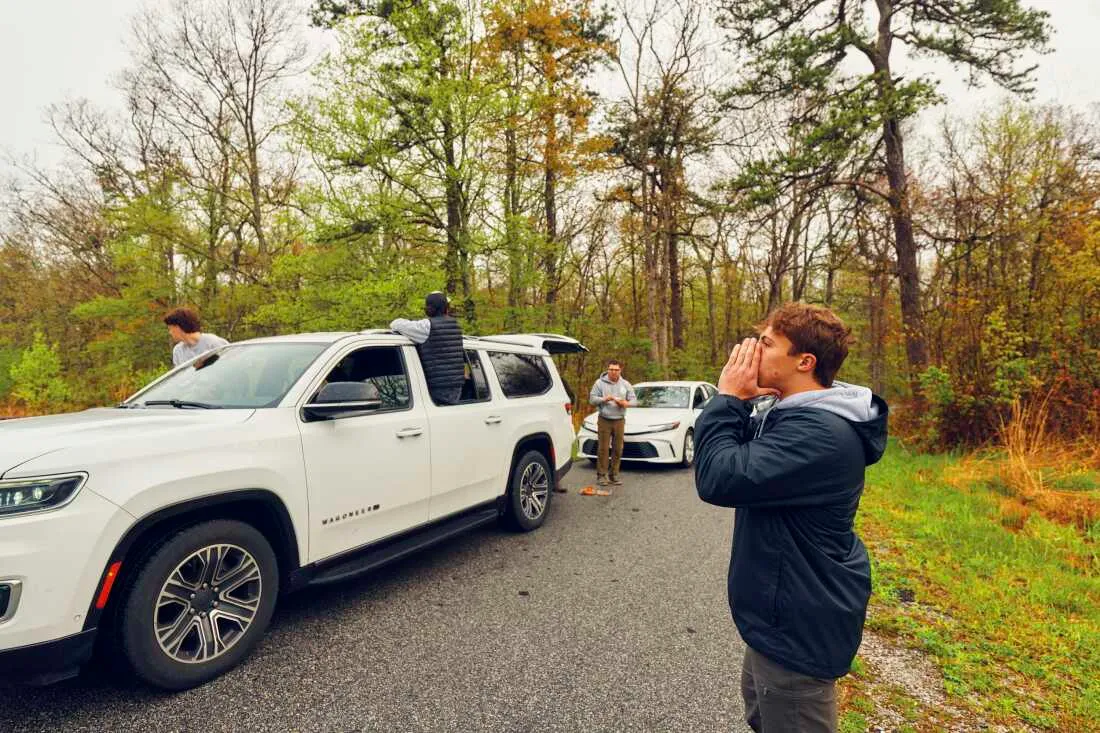
The World Series of Birding brings together bird lovers of all ages. This year, 87 teams competed in various age divisions. The Pete Dunnelins are in the high school division. They have been friends since 2021, when they developed a deep love for birding.
Birding is more than a hobby for them. They have won first place in the competition for the past two years. This success comes from years of practice, mentorship, and training their eyes and ears to spot every bird. They prepared for months, even creating a detailed spreadsheet for the day.
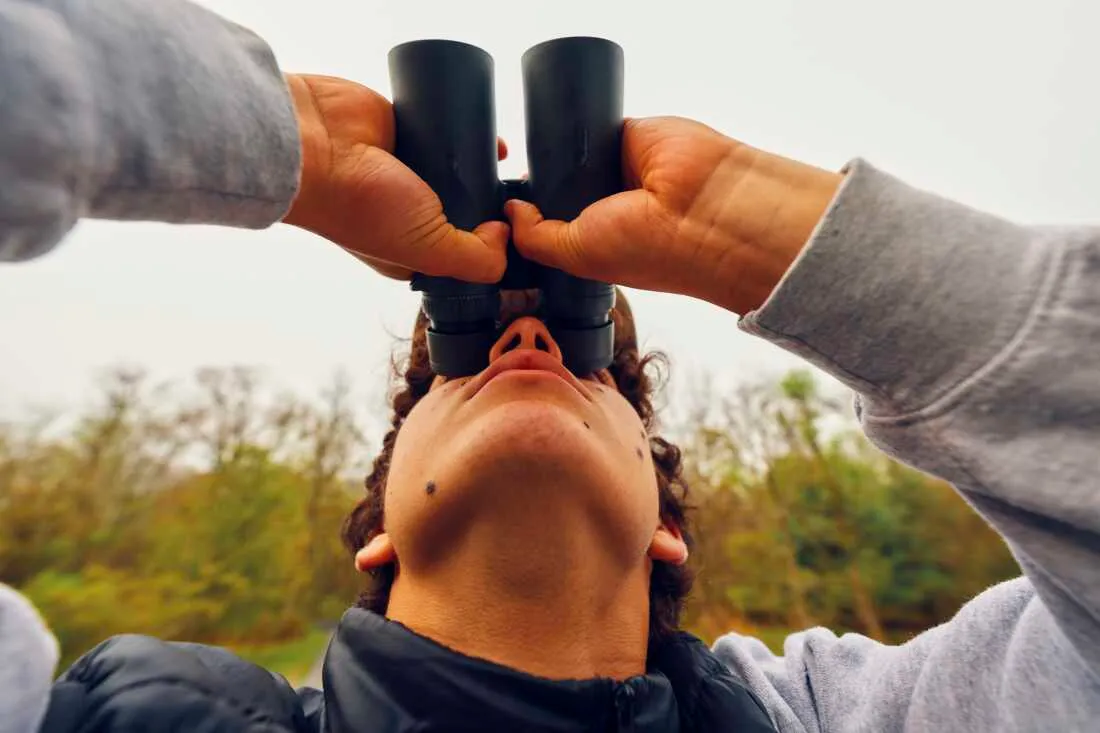
Their goal was to find 200 species. Last year, they found 199, tying for first with their rivals, the Flying Penguins. Team captain Jack Trojan noted that while they planned every minute, they couldn't predict nature. "Birds are animals, and you can't really predict too well when you're going to see or hear everything," he said.
Listening in the Dark
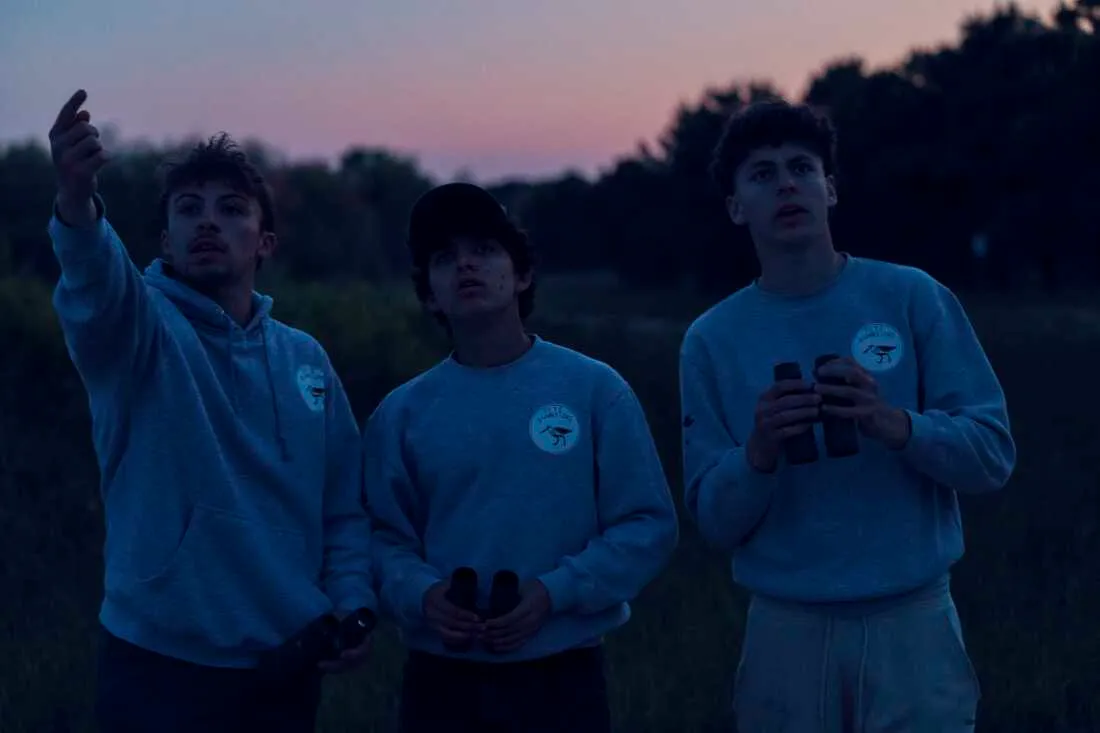
At 3 a.m., the team moved to a marshland trail. It was still dark, and they listened for marsh birds like the elusive sora. Their years of ear training helped them identify birds by their calls, even when they couldn't see them.

Otys Train had memorized the calls of all possible birds. He could identify them instantly. Hearing the actual birds in the field helped imprint the songs in his mind. The team whispered, listening to the marsh come alive. They heard a sora, a swamp sparrow, and an American woodcock. Competition rules require unanimous agreement from the team before a bird can be listed.
Jeff Train, Otys' dad, watched from a distance, careful to stay quiet. The dads had learned to avoid unnecessary noise. Chris Pacetti, Zade's dad, admitted he was cold and ready for the sun to rise.
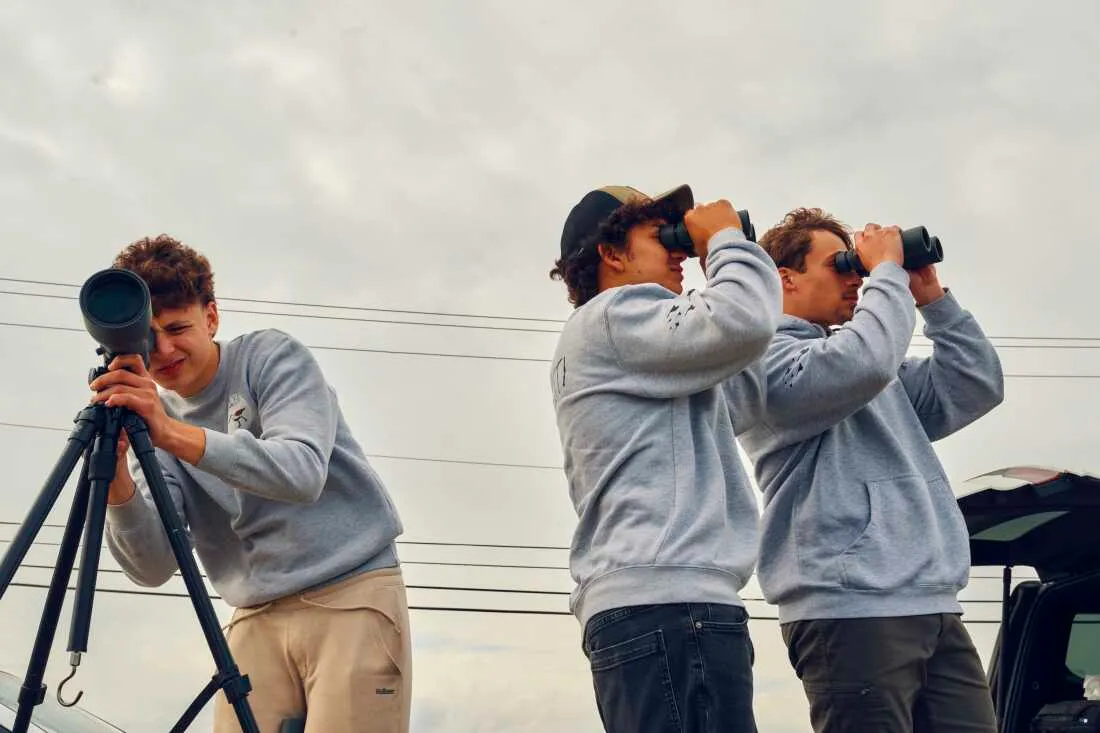
Racing Against the Clock
Just before 6 a.m., as the sun came up, the team was driving through High Point State Park. They were behind schedule and stressed. They needed to count as many warblers as possible. To save time, they cruised slowly with windows down, sticking their heads out to look.
Otys Train suddenly yelled for Mark Trojan to stop the car. The team then "pished" to draw out birds, making a "pish-pish-pish" sound. After a minute, they moved on. "We can't spend too much time on this," Jack Trojan said. Soon after, they spotted a sharp-shinned hawk's nest, which was a good find.
Pacetti, Train, and Trojan sat on the ledges of their rolled-down windows, torsos out of the car. Jeff Train initially "freaked" when he first saw Otys do this. But now, the dads agree it helps the boys hear better and compete. Train noted that birding helps his son and his friends thrive.
Jack Trojan said birding is "not seen as cool." But Zade Pacetti added that if you are confident, classmates will respect it. Otys Train used to be made fun of, but he learned to be himself, and now people find it interesting.
The Final Push
In the early afternoon, near the south Jersey Shore, the team looked for a piping plover. This dull-feathered shorebird blends into the sand, making it hard to spot. They used a timer to avoid lingering too long. With 1 minute and 40 seconds left, Otys Train spotted a small, pale dot. His teammates confirmed the sighting, and they rushed back to the car.

Jeff Train was impressed by the teens' planning. He joked that while he had to remind his son to pack for baseball, Otys had created a detailed spreadsheet for birding.
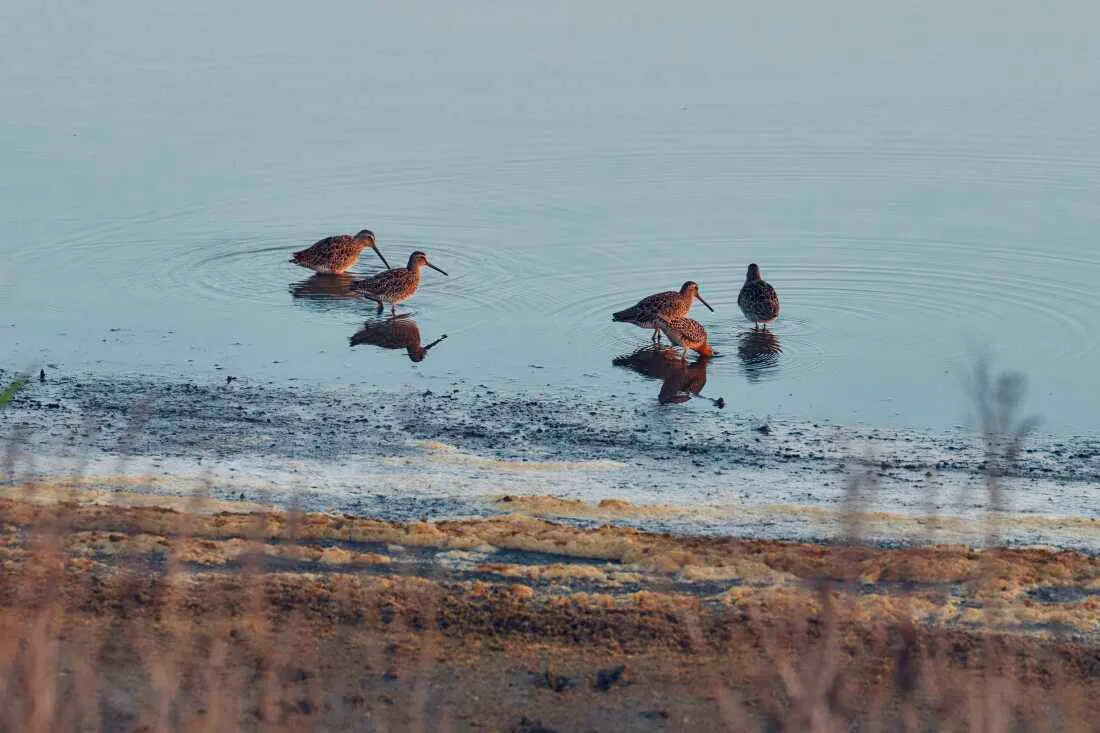
As the sun set at the Edwin B. Forsythe Wildlife Refuge, a migration hotspot, The Pete Dunnelins needed to find dozens more species. The fathers observed, noting how the boys had become like brothers. Jeff Train said the teens had grown as birders and people, thanks to mentors and teachers. They attended birding camp, were coached by college students, and got tips from Cornell's lab of ornithology. This led to an obsession with birds, nature, and conservation.
Train noted that teenagers often get a bad reputation, but these boys show that the younger generation cares deeply and is doing good things. As the sky filled with birds, the boys tried not to miss anything. Jack Trojan spotted a nighthawk and then heard a yellow-breasted chat, which had been eluding them. "Yes!" they yelled in unison when it chirped loudly.
The Results
The team stayed out until the last minute, adding a king rail as their final bird. The next morning, at the awards ceremony, The Pete Dunnelins announced a total of 206 species, surpassing their goal.
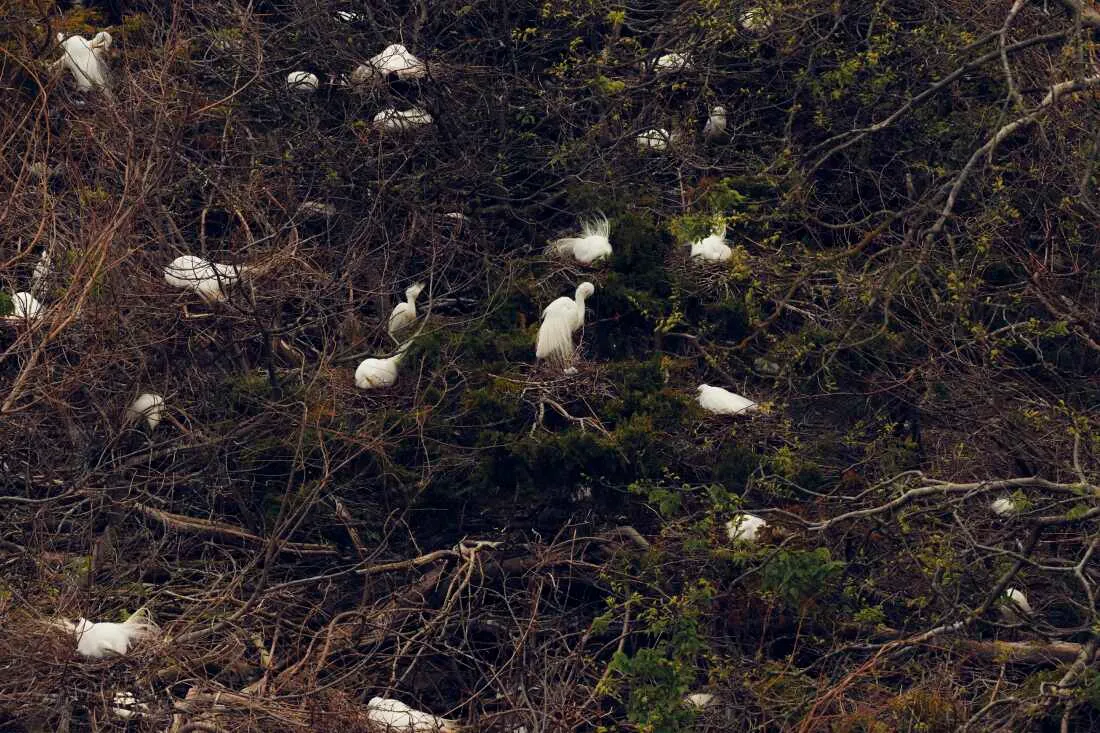
However, it wasn't enough. The Flying Penguins, with team members Christian Scheibe, Noah Bieljeski, Ethan Kang, and Ellie McDonald, counted 209 species. Three birds made the difference.
Pacetti said they were initially upset but felt better the next morning. They acknowledged running behind schedule was a factor. Other elements, like rainy weather and early migration, were beyond their control.
Tom Reed, migration count coordinator at the Cape May Bird Observatory and a mentor to The Pete Dunnelins, noted that luck plays a big role. "These birds have wings, they have their own lives they're going about each day," Reed said. "You try to be in the best place at the best time or the best tide level to try to see each bird. But part of it is luck."
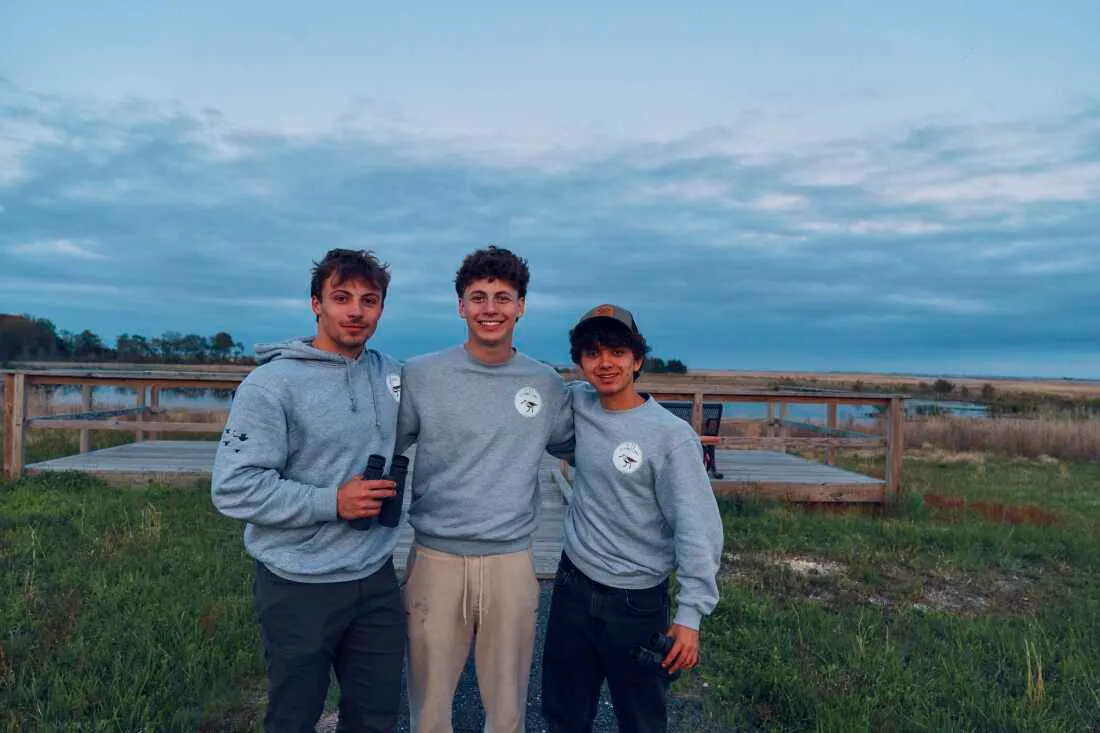
The Pete Dunnelins congratulated the Flying Penguins, swapping notes while keeping their best birding spots secret. Though there's no cash prize, the rivalry is real.
The team is already planning for next year. Jack Trojan will be too old for the high school division as he heads to college. He suggested becoming a mentor to his friends. Pacetti and Train, however, were less sure about that plan, laughing at the idea of their best friend telling them what to do.