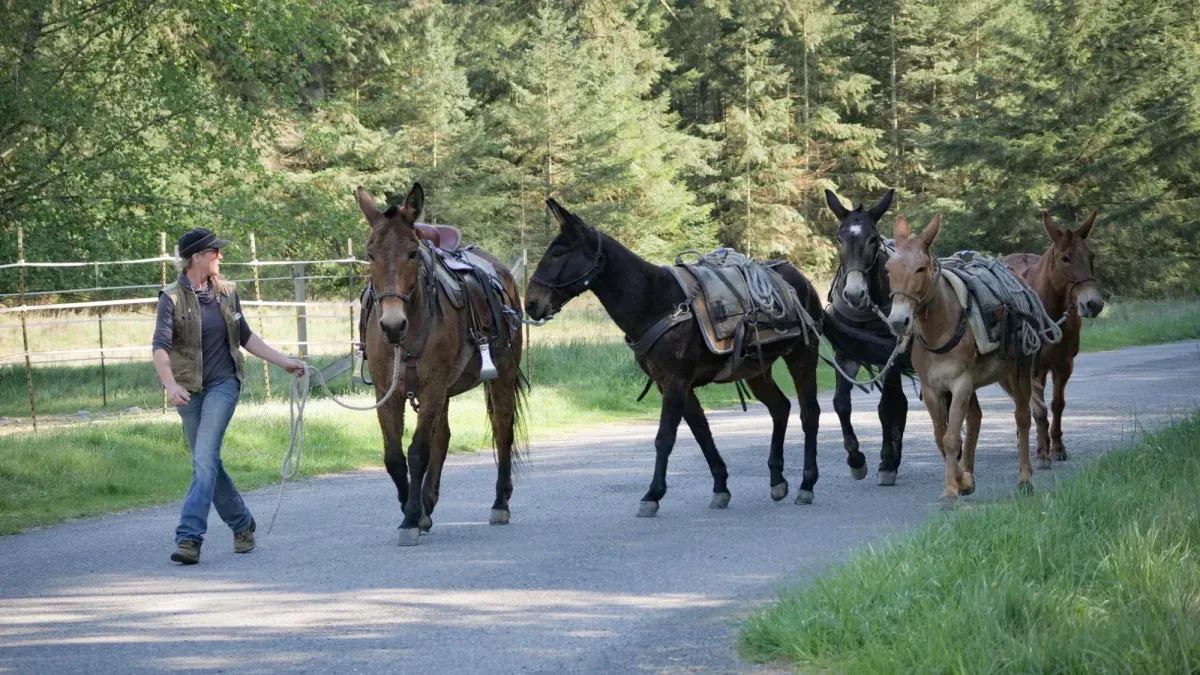
Olympic National Park just got five new employees, and they're bringing some serious horsepower — or, more accurately, mule-power. Murl, Cutti, Pip, Checkers, and Gopher have officially joined the park's trail maintenance crew, just in time for the annual onslaught of tourists. Because apparently, even pristine wilderness needs a good, sturdy, four-legged workforce.
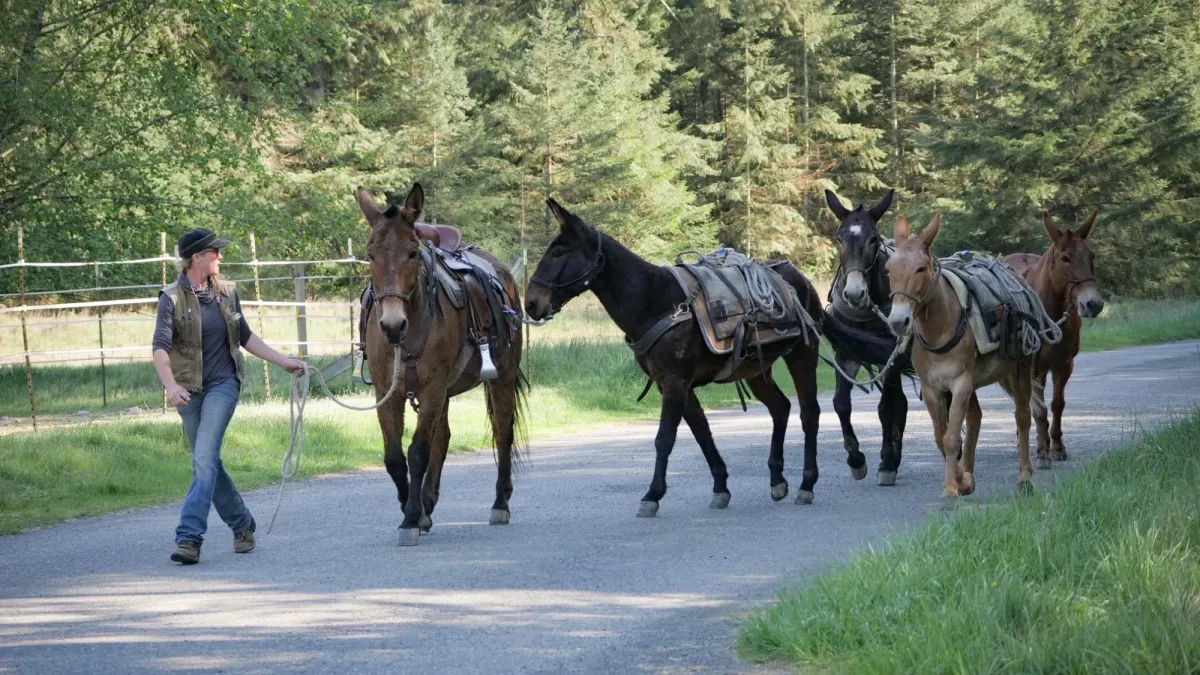
These aren't just any pack animals; mules have been the unsung heroes of national parks since the early 1900s. They’re the ones quietly ensuring that Olympic's one million acres, 600 miles of trails, and 64 trailheads stay pristine. While you're busy admiring the scenery, a mule is probably hauling something heavy up a mountain. Talk about dedication.
The Unsung Heroes of the Trail
The park staff, clearly with a flair for the dramatic, named the new recruits after native plants and animals found right there in the park. Which is a nice touch, considering these animals are doing the heavy lifting in some seriously wild areas where vehicles simply can't go. They’re basically the park’s off-road logistics team, but with significantly more fur.
We're a new kind of news feed.
Regular news is designed to drain you. We're a non-profit built to restore you. Every story we publish is scored for impact, progress, and hope.
Start Your News DetoxFor those unfamiliar with the majestic mule, they are, in essence, a hybrid: a male donkey meets a female horse. The result? A creature that boasts the strength, agility, and endurance of both. Washington’s National Park Fund calls them the perfect pack animal, and frankly, who are we to argue with a species that can carry 20% of its own 1,000-pound body weight up a mountain? That's roughly 200 pounds of gear, day in and day out.
From April through October, these diligent workers are hauling everything from trail maintenance tools to construction materials and scientific research equipment. Oh, and if you happen to sprain an ankle deep in the wilderness, they're also the ones safely evacuating injured hikers. So, next time you see a mule, maybe offer a silent thank you.
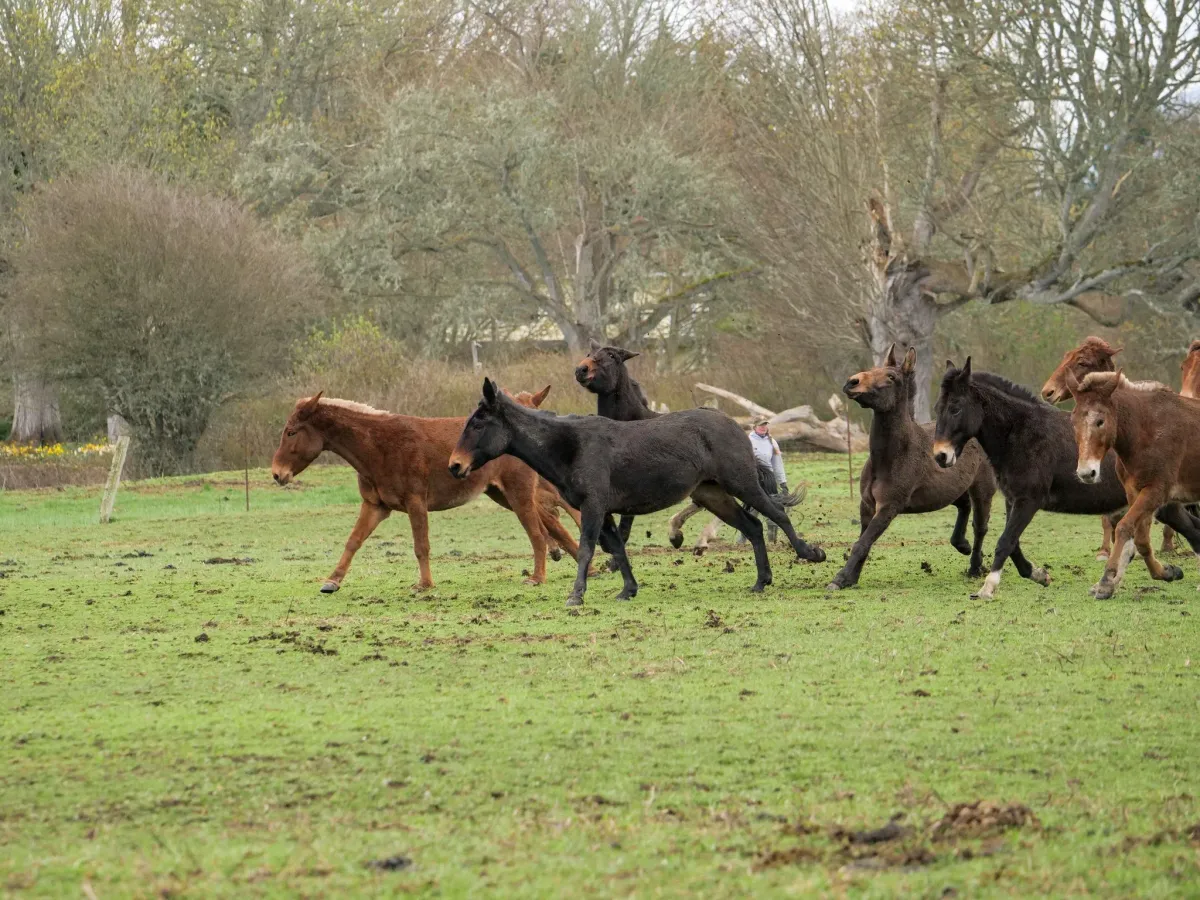
When new mules arrive, they don't just get thrown into the deep end. They learn the ropes (and the trails) from the seasoned veterans. During their busy season, they live in a corral in the Elwha River valley. But come winter, from November to March, they get a well-deserved five-month vacation in a pasture in Sequim. Because even the hardest-working hooves need a break.
Last year, Olympic National Park even ran a "Mule of the Month" feature, introducing stars like RainCloud, described as a "sports-model" mule, and Daisy, the "magnificent matriarch." Because in a world of influencer pets, why shouldn't the backbone of our national parks get their moment in the spotlight?