Leopards in South Asia are facing growing threats. While not globally endangered, some species, like the Amur and Arabian leopards, are critically endangered.
Nikki Sharp, executive director of Wildlife SOS-USA, explained that India's large population is shrinking leopard habitats. This forces leopards into areas with people and farms.
When leopards live near humans, their usual prey is scarce. They then hunt livestock like goats, which leads to conflicts with people. These conflicts harm local leopard populations.
We're a new kind of news feed.
Regular news is designed to drain you. We're a non-profit built to restore you. Every story we publish is scored for impact, progress, and hope.
Start Your News DetoxSharp noted that leopard numbers in India have been falling, unlike tiger populations which are increasing.
Reuniting Leopard Cubs with Their Mothers
For over ten years, Wildlife SOS has run campaigns in India to reduce human-leopard conflict. They highlight how leopards benefit the environment. As top predators, leopards control populations of smaller herbivores and rodents, preventing overgrazing.
Sharp emphasized that leopards are vital for a healthy ecosystem in India.
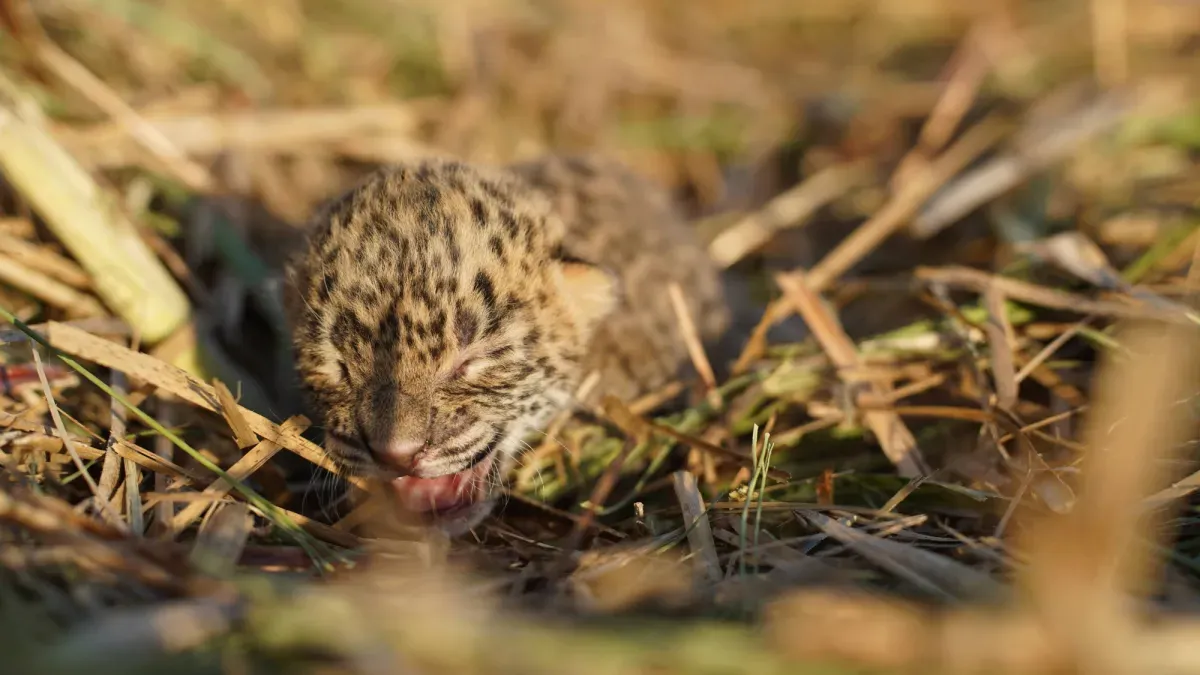
Wildlife SOS also directly helps leopards and their cubs. Shrinking habitats make mother leopards roam further for food, increasing the time they are away from their cubs. As wildlife moves closer to people, cubs are often found in sugarcane and cornfields, which leopards use for cover.
During harvest, farmers sometimes move cubs, accidentally separating them from their mothers.
Wildlife SOS works to reunite these families. They carefully place cubs back where they were found and watch from a distance. The mother can then find her cubs by their cries. In most cases, she returns within a few nights.
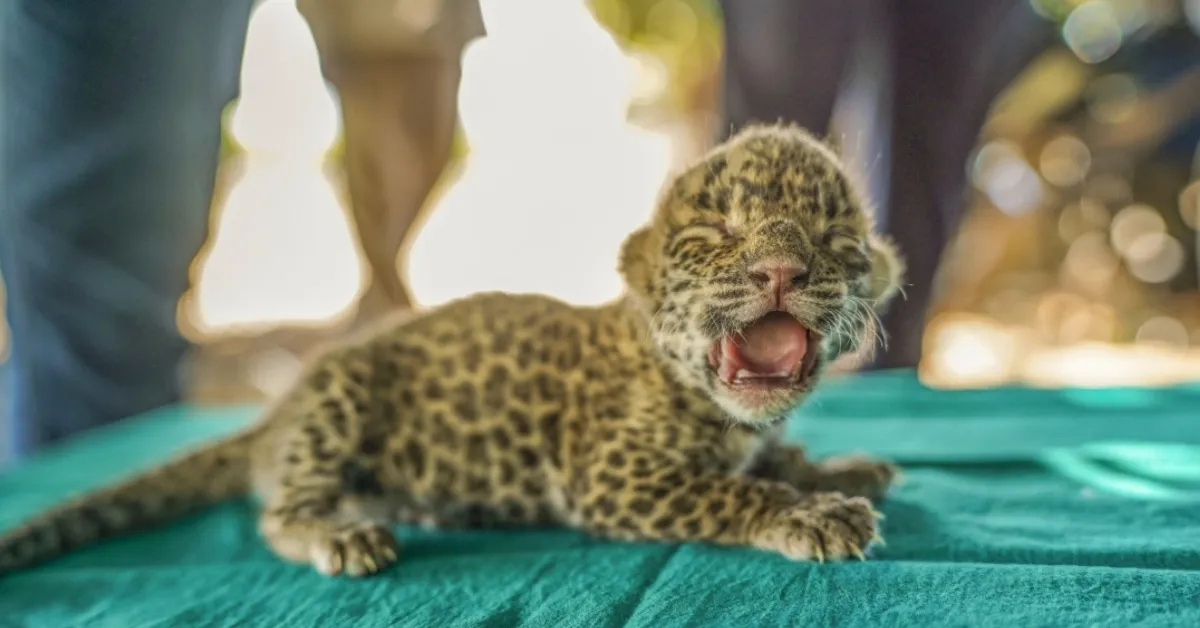
When abandoned cubs are found, experts check their health. They then place the cubs in a "safe box" and monitor them until the mother returns.
Sharp said Wildlife SOS has been successfully reuniting cubs for over 15 years. Cubs need up to two years with their mothers to learn survival skills. Without this, they cannot survive alone.
If a mother does not return, the cubs go to a Wildlife SOS rescue center for lifelong care. Currently, a few cubs are under their care.
Sharp stressed that over 95% of these reunification attempts succeed, meaning more than 100 cubs have been returned to the wild.
Broader Conservation Efforts
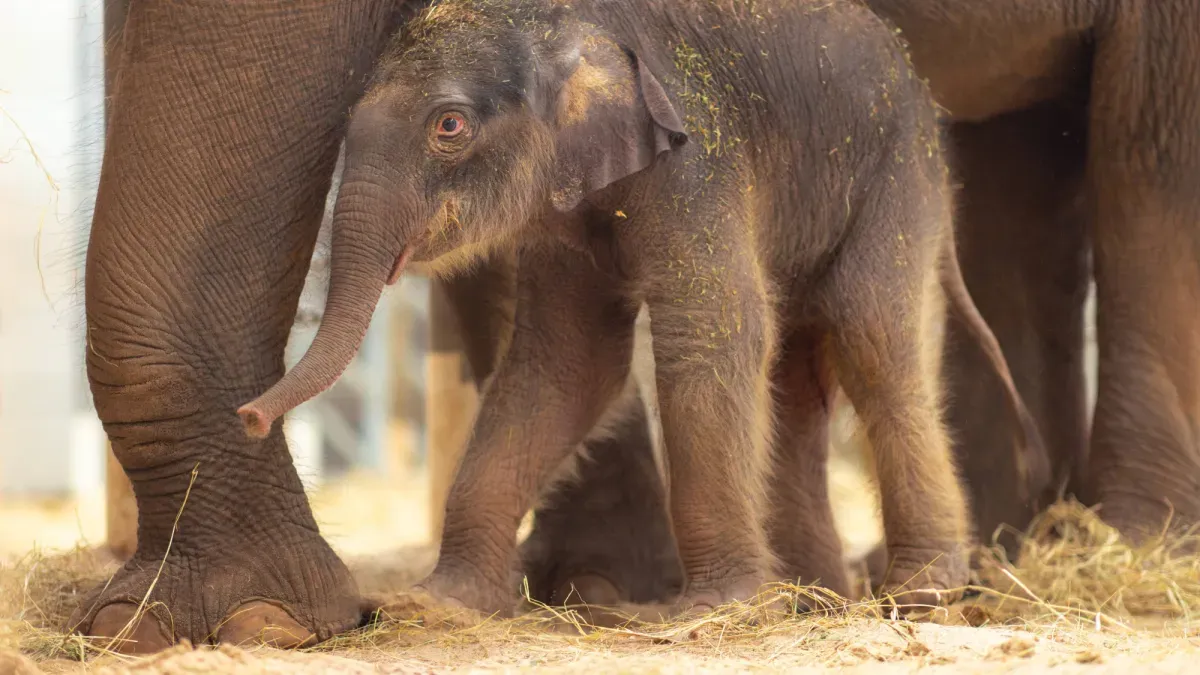
Beyond leopards, Wildlife SOS runs several other animal campaigns. They focus on saving India's elephants, including protecting wild elephants and rescuing captive begging elephants. This refers to the illegal practice of forcing elephants to perform and solicit money.
They also work to protect and conserve India's four bear species.
Sharp encourages people to support Wildlife SOS by learning about the challenges facing India's wildlife. More information is available on their official website.