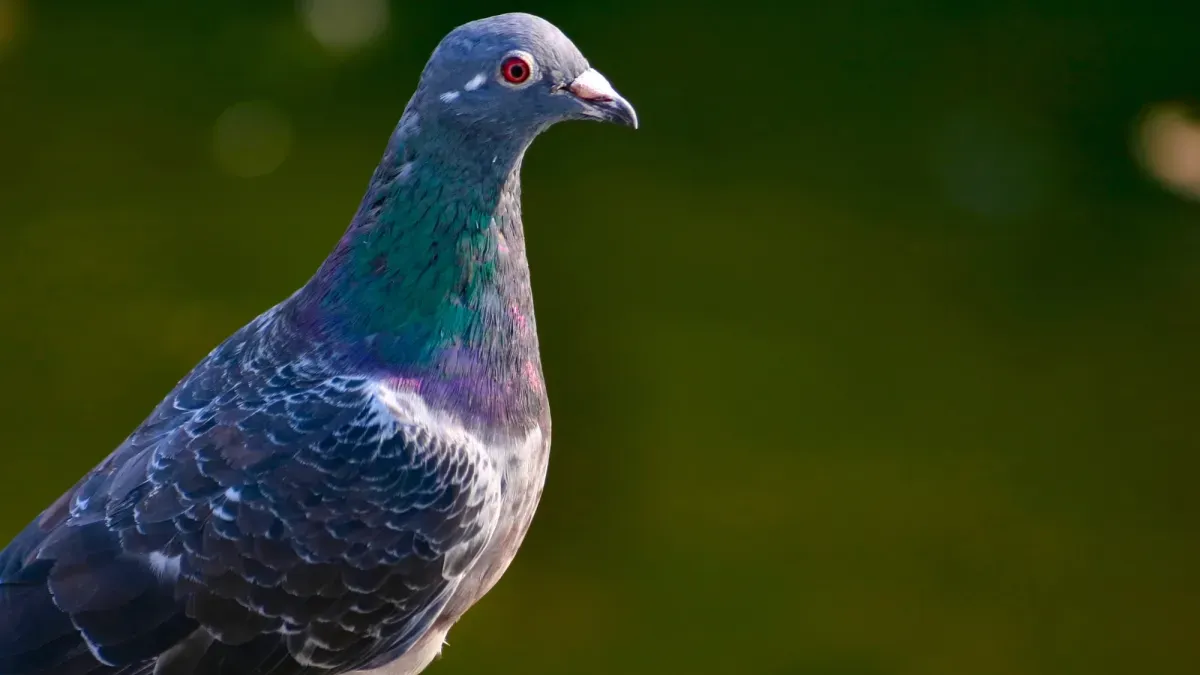
A shed behind a Greensboro home held a secret that stopped rescuers in their tracks: approximately 550 pigeons, stacked in darkness, waiting for help that came on an ordinary Tuesday.
When Guilford County Animal Services and two Charlotte-based bird rescues arrived expecting to find about 300 birds, rescuer and pigeon owner Dillya Eisert walked through the shed door and felt her jaw drop. "I could tell way more than 300 pigeons," she told WFMY. "I kind of freaked out a little bit. But then it was just, 'Hey, we gotta get to work.'"
That's exactly what happened. Over the course of the rescue, animal care technicians, a veterinary technician, and animal control officers carefully collected every bird into more than 12 crates and carriers. The home had been vacant; a tenant living in the basement had been keeping the pigeons, though the scale of the situation had clearly spiraled beyond what one person could manage. The birds were malnourished, stressed, and living in conditions that no animal should endure.
We're a new kind of news feed.
Regular news is designed to drain you. We're a non-profit built to restore you. Every story we publish is scored for impact, progress, and hope.
Start Your News DetoxFrom rescue to recovery
The pigeons are now at Carolina Waterfowl Rescue, where they're being fed, bathed, and assessed for health. Those in good condition will eventually be available for adoption — a second life for birds that most people dismiss without a second thought.
That dismissal is built on myth. According to the Association of Avian Veterinarians, pigeons are actually fastidious creatures. "Despite what most people think, pigeons prefer to be clean," write veterinarians Maryella Cohn and Zoë Selby. "They require regular baths in fresh water to maintain their beautiful plumage and they spend ample time preening every day."
When properly cared for, pigeons live 10 to 15 years and develop gentle, affectionate personalities. They form close bonds with their caregivers — the kind of connection most people associate with dogs or cats, not the birds they've been trained to ignore on city streets.
This rescue matters because it shows what happens when systems actually respond. It took multiple organizations, multiple people, and a willingness to show up for creatures society has largely written off. The 550 pigeons in that Greensboro shed didn't rescue themselves. They waited for someone to walk through the door and say, "We gotta get to work." That work continues now, one bird at a time.