You think you know Mardi Gras? Think again. Before the beads and balcony shenanigans of New Orleans, there was Southwest Louisiana's version: an absurd, joyful sprint through fields, chasing live chickens. Because apparently, that's where American culture's most delicious and musical traditions truly began.
This isn't just about food and music, though it's definitely about food and music. It's about a corner of the country where culture isn't just everywhere, it's practically a physical force. It's in the accordion music that fills the air, the coastal skies teeming with birds, and the old family recipes that define an entire identity. Whether you're dodging chickens or just driving a scenic byway, here's how to dive headfirst into this delightfully unique region.
Get Ready for Gumbo and Giggles
The Mardi Gras Chicken Run
Before you picture floats, picture this: masked revelers, often on horseback, going house-to-house, singing, dancing, and collecting ingredients for a giant communal gumbo. This is the Courir de Mardi Gras, or "Mardi Gras Run," a tradition brought over by Acadian settlers with deep French roots. And the grand finale? The chicken chase.
We're a new kind of news feed.
Regular news is designed to drain you. We're a non-profit built to restore you. Every story we publish is scored for impact, progress, and hope.
Start Your News DetoxImagine a field full of people in elaborate, colorful costumes, all trying to snag a live chicken. It's pure, unadulterated chaos, and it's uniquely Southwest Louisiana. If you want to witness this magnificent absurdity, head to the annual Iowa Chicken Run near Lake Charles. Just try not to get pecked.
The Soundtrack: Zydeco
If Southwest Louisiana had a theme song, it would be Zydeco. Born in Creole communities, this music is a vibrant mashup of French Creole, blues, gospel, and Afro-Caribbean sounds. All you need is an accordion, a washboard-like frottoir, and a pulse. It's a truly American sound, guaranteed to get your feet moving.
Lake Charles is the epicenter. You can catch live Zydeco at festivals, casinos, or even just a casual restaurant. Bands like Rusty Metoyer and the Zydeco Krush keep this electrifying art form alive, ensuring new generations can dance until they drop.
Birdwatching: Nature's Grand Symphony
Beyond the human-made spectacles, Southwest Louisiana offers a natural one. Its marshes, prairies, and coastlines are prime real estate for millions of migratory birds on the Mississippi Flyway. We're talking roseate spoonbills, pelicans, black-necked stilts, and reddish egrets, all just passing through.
These wetlands have been connecting people and wildlife for centuries, supporting everyone from Indigenous communities to fishermen. Today, they're still a critical part of America's Gulf Coast natural heritage. Grab some binoculars and hit up Sabine National Wildlife Refuge or Cameron Prairie National Wildlife Refuge. It's like an endless, open-air aviary.
Eat Your Way Through History
The Sacred Crawfish Boil
Nothing says Southwest Louisiana quite like a crawfish boil. Picture fresh crawfish, potatoes, corn, sausage, and mushrooms, all swimming in seasoned water. Then picture a table covered in newspaper, surrounded by family and friends, peeling and eating for hours. It's less a meal, more a full-contact sport and social ritual.
The region's geography is the secret ingredient, with marshes, estuaries, and rice fields creating the perfect environment for crawfish, shrimp, and crabs. Crawfish season runs from January to June, and you'll find boils everywhere – backyards, restaurants, and festivals. It's hospitality and resourcefulness, all in one spicy, communal dish.
Mardi Gras Royal Gala: The Glitz
While the courirs are wild, the Mardi Gras Royal Gala is where Southwest Louisiana brings the sparkle. This isn't your average parade. It's a coronation, a presentation of a Mardi Gras "court" — kings, queens, dukes, and maids, all in costumes so elaborate they take months to create. We're talking intricate beadwork, embroidery, sequins, and enough feathers to make a peacock blush.
It's a testament to how American communities keep old traditions vibrant. You can dive into this dazzling history at the Mardi Gras Museum of Imperial Calcasieu, home to one of the world's largest collections of these incredible costumes.
The Boudin Trail: A Sausage Pilgrimage
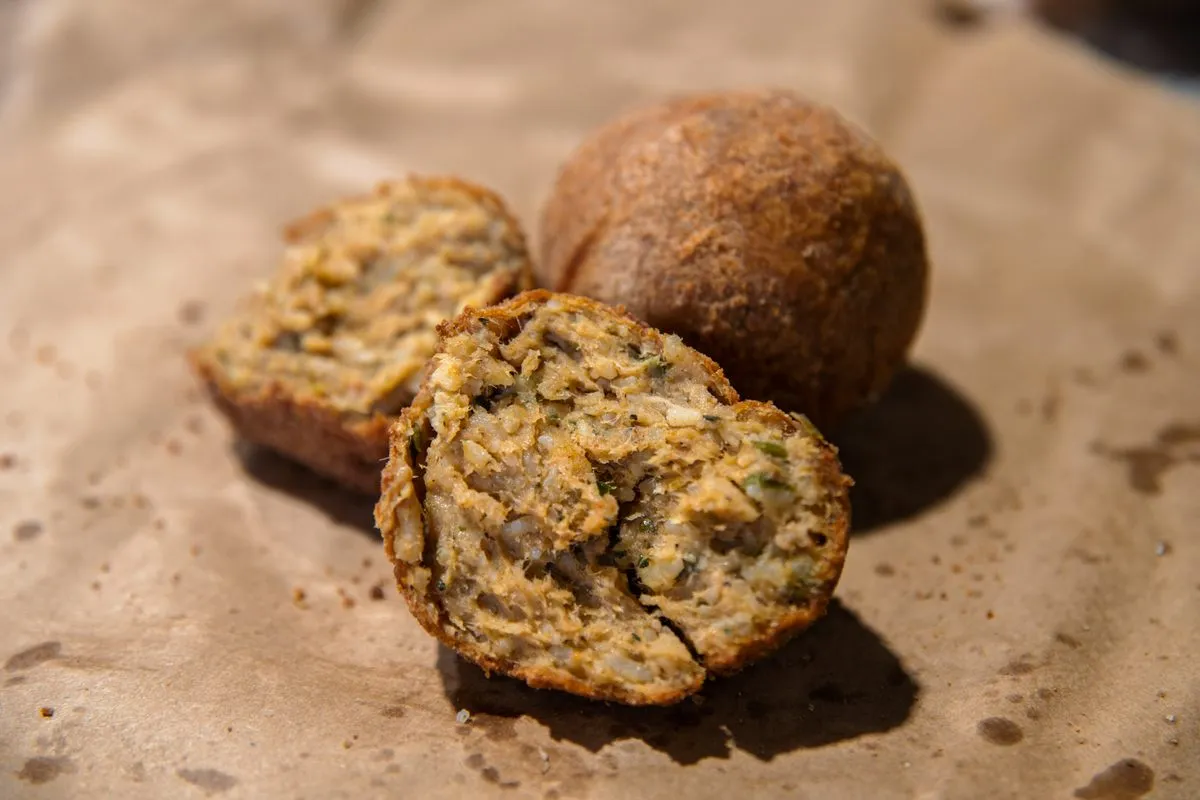
If you haven't had boudin, you're missing out. This beloved sausage, packed with pork, rice, onions, and seasonings, is the culinary heartbeat of the region. Every butcher, every smokehouse, every restaurant has their recipe, leading to passionate debates about who does it best. Which, if you think about it, is a very American way to honor a sausage.
To settle it for yourself (or just try a lot of really good boudin), embark on the Southwest Louisiana Boudin Trail. You'll sample everything from coarse and peppery to smoky and rich, maybe even with cracklins. It's a culinary road trip that proves a simple sausage can become an icon.
The Creole Nature Trail: Louisiana's Outback
Finally, for a different kind of adventure, drive the Creole Nature Trail, affectionately known as "Louisiana's Outback." This scenic route winds through marshes, prairies, and beaches, showcasing an incredible array of ecosystems in a relatively short distance. It's a road trip and a safari rolled into one.
Alligators bask by the roadside, river otters zip through waterways, and bottlenose dolphins play offshore. During migration season, it's a birdwatcher's paradise. The scenery shifts from marsh grasses to wildflower-lined coasts and oak-covered cheniers. It's a perfect, wild introduction to a part of America that's so much more than what you think you know.