For centuries, cultures across the world have fermented cabbage into sauerkraut, milk into kefir, soybeans into miso. They weren't waiting for a clinical trial to do it. But now the research is there: fermented foods genuinely reshape how your digestive system works, reduce inflammation, and may even shift your mood and focus.
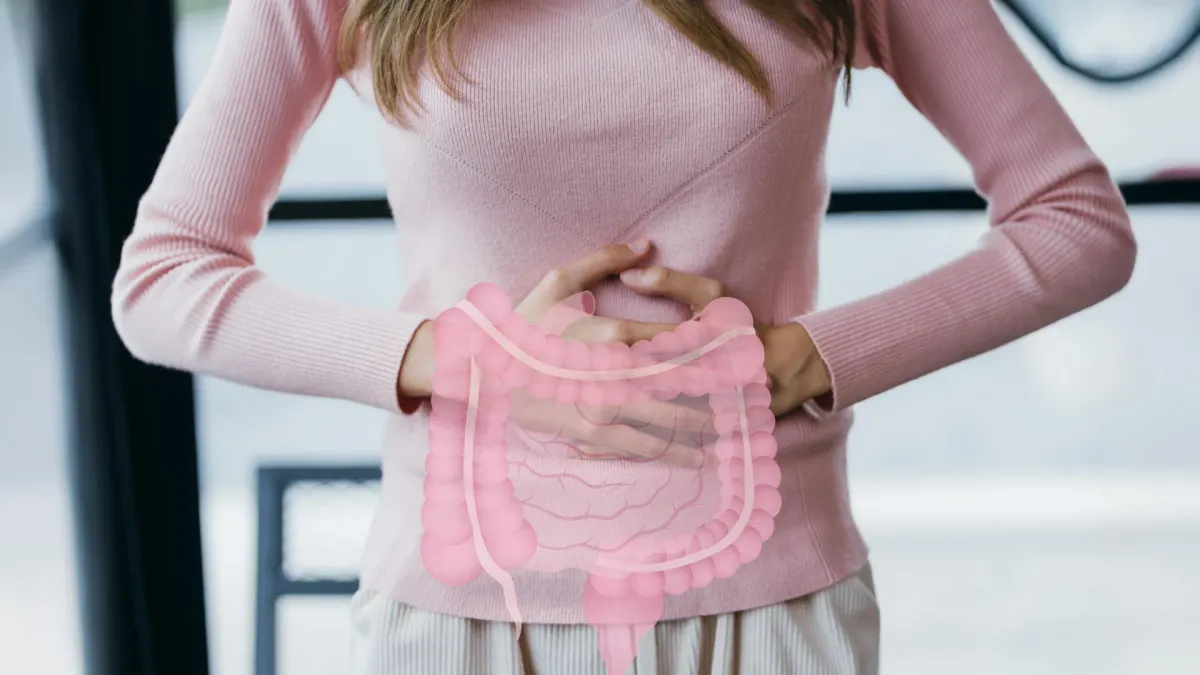
The mechanism is straightforward. Fermented foods contain live bacteria—probiotics—that colonize your gut and do real work. According to Amy Burkhart, MD, RD, a physician specializing in gut health, these microorganisms "support the gut barrier, aid in nutrient absorption, and can reduce symptoms like bloating or diarrhea." But there's more happening than just bacterial presence. Fermentation creates metabolites—antioxidants, vitamins, acids, and peptides—that offer their own benefits independent of live cultures.
Alma Simmons, a registered dietitian at Ohio State University Wexner Medical Center, puts it plainly: "These foods don't just help with digestion. They reduce inflammation, balance blood sugar, support the immune system, and even lower LDL cholesterol." This isn't a trend with an expiration date. It's a practice with centuries of evidence baked in.
We're a new kind of news feed.
Regular news is designed to drain you. We're a non-profit built to restore you. Every story we publish is scored for impact, progress, and hope.
Start Your News DetoxWhat Actually Works
Not every fermented food delivers the same benefit, but many are sitting in your grocery store right now. Plain Greek yogurt with live cultures contains bacteria that can help people tolerate dairy better. Kefir offers more microbial diversity than yogurt—a symbiotic mix that appears to lower inflammation more broadly. Kimchi, the spicy Korean staple, packs antioxidants and lactic acid bacteria that work together to improve gut function. A 2024 study found that fermented cabbage outperformed raw cabbage at preserving gut barrier function, thanks to compounds like lactic acid and gamma-aminobutyric acid.
Miso, made from fermented soybeans, delivers bioactive peptides with antimicrobial and antioxidant effects. It's naturally umami-rich and dissolves into soups or dressings without fuss. Tempeh, also soy-based, is typically cooked or pasteurized, which kills live cultures, but fermentation byproducts like peptides and phenols remain. Sourdough bread loses most live bacteria during baking, but the metabolites—especially lactic acid—survive and actually help preserve freshness. Kombucha, fermented tea, contains acetic acid and polyphenols that deter harmful bacteria, though you'll want to check the sugar content on the label.
The pattern here matters: you don't need to eat all of these. You need to find one (or two) that you'll actually reach for repeatedly. Simmons is direct about this: "There's no gold medal for eating the 'best' fermented food. Just find one that works for you."
The Real Limits
Fermented foods aren't universal medicine. People who are immunocompromised should avoid raw or unpasteurized versions due to a slightly elevated foodborne illness risk. Histamine sensitivity is another consideration—fermentation raises histamine levels, which can trigger symptoms in those who are sensitive. If you have IBS or SIBO (small intestinal bacterial overgrowth), your gut bacteria are already imbalanced, so you may need to start slowly. Burkhart's advice: "Start small and ease in slowly."
For most people, the approach is simple: choose something you like, eat it consistently, and pay attention to how you feel. No heroic quantities needed. No special protocol. Just fermented foods doing what they've done in kitchens around the world for centuries—making food taste better and your gut work better.