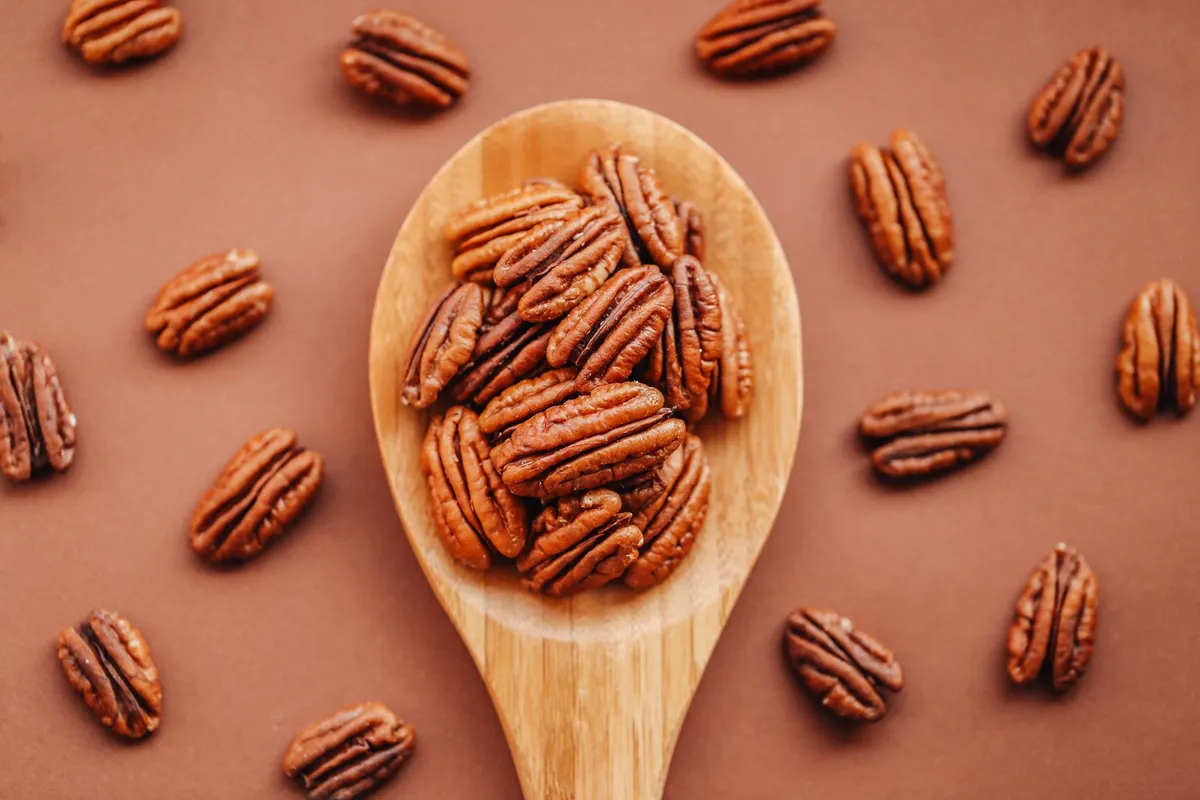
A comprehensive review of two decades of research has found something surprisingly straightforward: eating pecans appears to improve several markers of heart health, and it works through mechanisms scientists can actually explain.
Researchers at Illinois Institute of Technology analyzed clinical studies on pecans and cardiovascular outcomes, publishing their findings in the journal Nutrients. The consistency across studies is what caught their attention. When people ate pecans regularly—in typical snack-sized portions—they showed measurable improvements in cholesterol levels, triglycerides, and other blood lipid markers associated with heart disease risk.
The mechanism matters here. Pecans are rich in polyphenols, a type of antioxidant that appears to reduce lipid oxidation—a process linked to oxidative stress and cardiovascular damage. They also seem to improve how your body processes fats after eating, which is a key factor in long-term heart health. This isn't theoretical. These are measurable changes in actual blood work.
We're a new kind of news feed.
Regular news is designed to drain you. We're a non-profit built to restore you. Every story we publish is scored for impact, progress, and hope.
Start Your News DetoxWhat Else the Research Shows
Beyond heart markers, the evidence gets murkier in interesting ways. Some studies suggest pecans help regulate blood sugar when they replace refined carbohydrates, but results remain mixed. What did show up consistently: people report feeling fuller after eating pecans, which matters if you're thinking about appetite and snacking patterns. And crucially, the research found no evidence that eating pecans leads to weight gain—any weight changes fell within normal daily variation.
Perhaps most telling: people who include pecans in their diet score higher on the Healthy Eating Index, a measure of overall diet quality. Nationally representative data shows pecans naturally fit into balanced eating patterns, especially when they replace typical processed snacks.
"What stands out is the consistency of evidence linking pecans to markers of heart health and overall diet quality," notes Britt Burton-Freeman, director of the Center for Nutrition Research at Illinois Institute of Technology. "The findings around satiety add important context, particularly as interest grows in appetite regulation."
The researchers identified several areas still worth investigating: how pecan nutrients interact with your gut microbiome, potential brain health benefits (given their high polyphenol content), and how growing conditions might influence the nutrient profile. These are early-stage questions, but they suggest the story isn't finished.
What makes this review useful isn't that pecans are a miracle food—they're not. It's that a genuinely beneficial food exists, it's accessible, and the research backing it up is solid enough to act on. For most people, swapping a processed snack for a handful of pecans is a friction-free way to improve one measurable aspect of heart health.