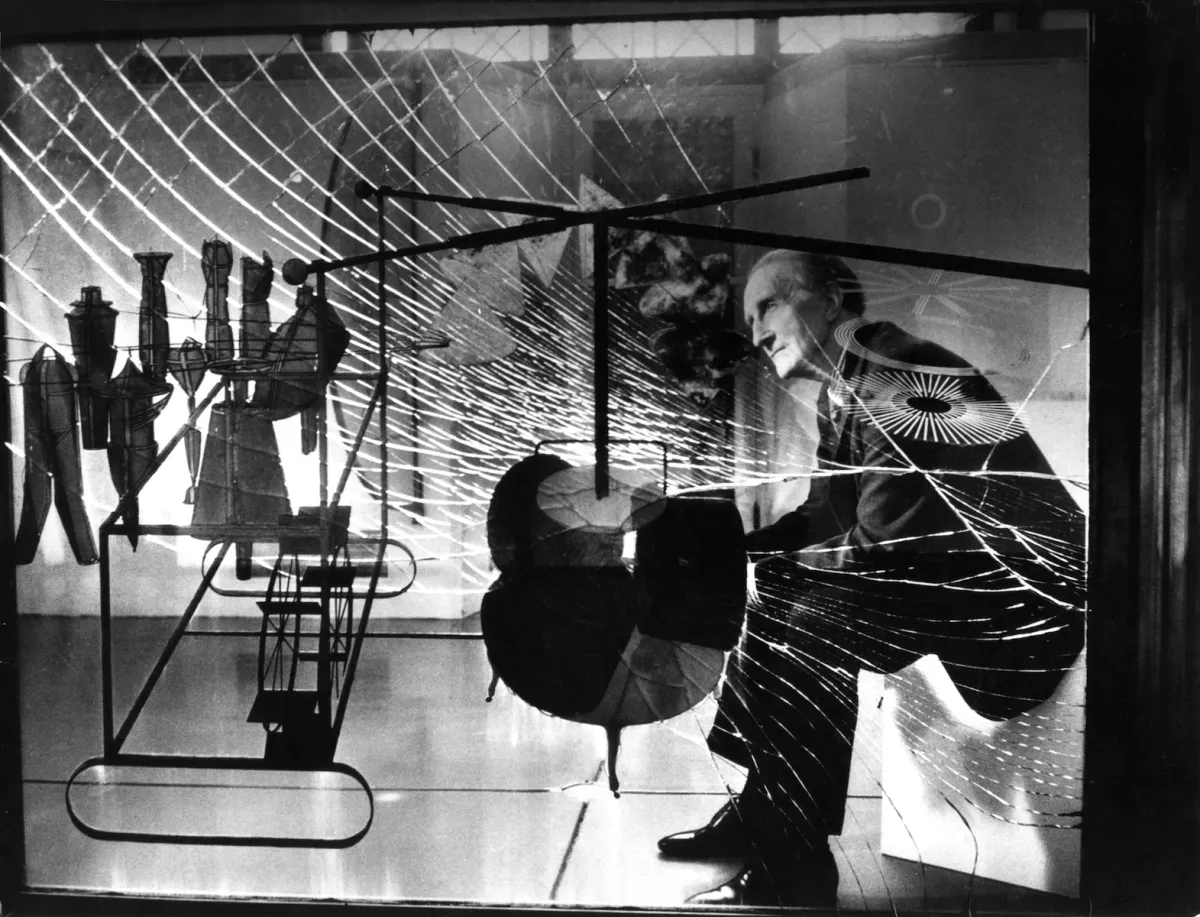
Marcel Duchamp (1887–1968) was a man who looked at a urinal and said, "Yep, that's art." Then he signed it "R. Mutt." And the art world has been arguing about it ever since. This, friends, is the guy who basically invented the art-world equivalent of a mic drop, and now MoMA is giving him a massive retrospective.
Duchamp's influence is so pervasive that it’s almost become background noise. Think Maurizio Cattelan's banana taped to a wall, Comedian, which reportedly sold for a cool $120,000. That's pure Duchampian mischief, updated for the influencer age. Duchamp himself would have likely applauded the absurdity.
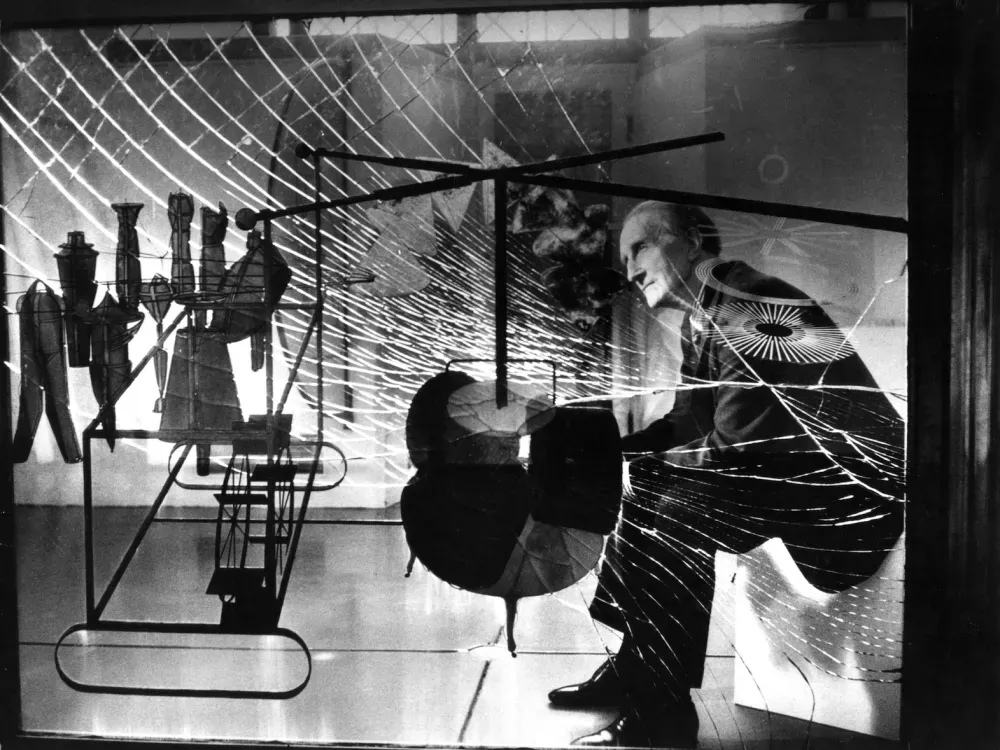
He saw art not as some sacred object, but as a conversation between the piece, the person looking at it, and the wider world. He once told a writer, "Art has absolutely no existence as veracity, as truth." Which, if you think about it, is both impressive and slightly terrifying. The viewer, for Duchamp, was just as important as the artist.
We're a new kind of news feed.
Regular news is designed to drain you. We're a non-profit built to restore you. Every story we publish is scored for impact, progress, and hope.
Start Your News DetoxThe Man Who Broke All the Rules
Starting his career as a painter, Duchamp quickly decided canvases were boring. Too much "retinal" pleasure, not enough ideas. So he ditched the paintbrush and started redefining what art could even be. Which, naturally, involved a lot of things that weren't paintings.
He called them "Readymades" — everyday objects he'd pluck from obscurity, sign, and declare art. A bottle rack. A snow shovel. The aforementioned urinal. He also played with identity, creating an alter ego named Rrose Sélavy (a pun on "Eros, c'est la vie"). He even dabbled in combining art and science, creating optical experiments that messed with perception.
These ideas didn't just rattle the art establishment; they fundamentally reshaped it, paving the way for Pop Art, Performance Art, and Conceptual Art. Because apparently, once you put a bicycle wheel on a stool and call it a sculpture, anything is possible.
MoMA's Grand Duchampian Gesture
Now, MoMA is diving deep into this singular, provocateur's career with the first comprehensive North American retrospective in over 50 years. Organized with the Philadelphia Museum and the Centre Georges Pompidou, this show is a chance for new audiences to grapple with the man who essentially taught art how to stop taking itself so seriously.
It runs until August 22, 2026. Plenty of time to ponder whether that coffee mug on your desk is actually a profound commentary on mass production, or just, you know, a coffee mug. Duchamp would probably just shrug and smile.