Riyadh, Saudi Arabia, just unveiled a museum dedicated to oil. You read that right. The Black Gold Museum, part of the nation's ambitious Vision 2030 plan to diversify its economy (and, you know, its image), aims to tell the story of petroleum through the rather unexpected lens of modern art.
Because when you're sitting on the world's second-largest oil reserves, and that resource has quite literally built your modern world, you might as well give it a gallery show. The museum promises to explore the pre- and post-oil eras with a creative flourish, often, and perhaps predictably, casting oil in a glowing light.
Art and Crude in Conversation
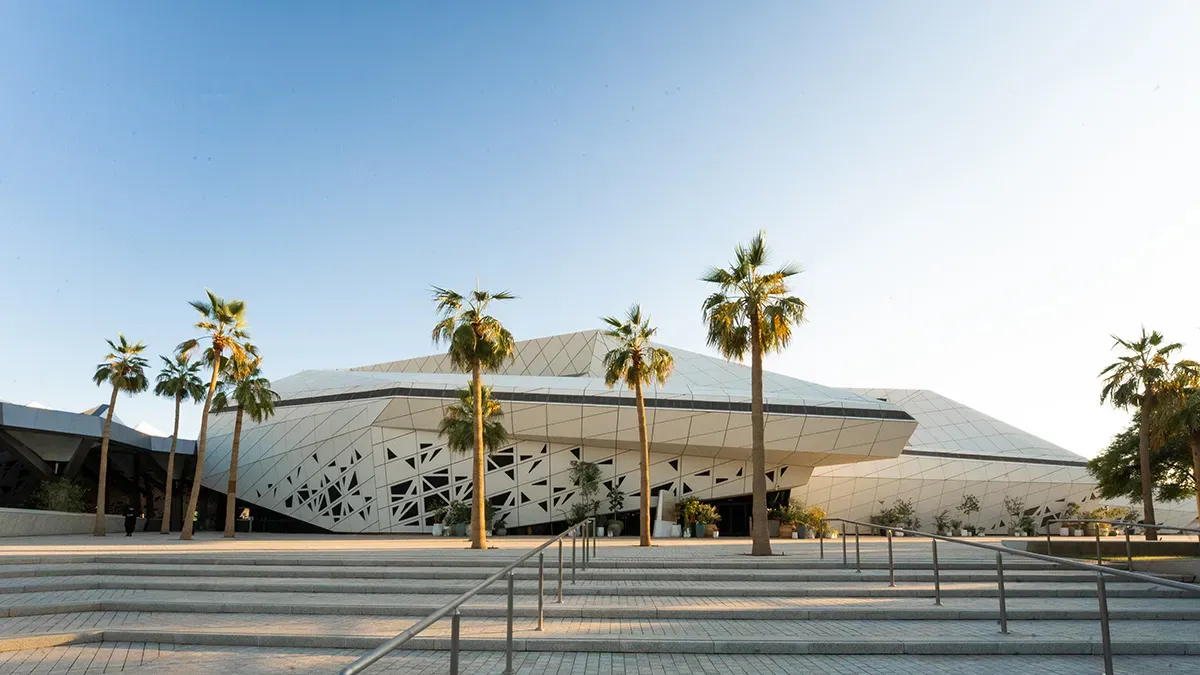
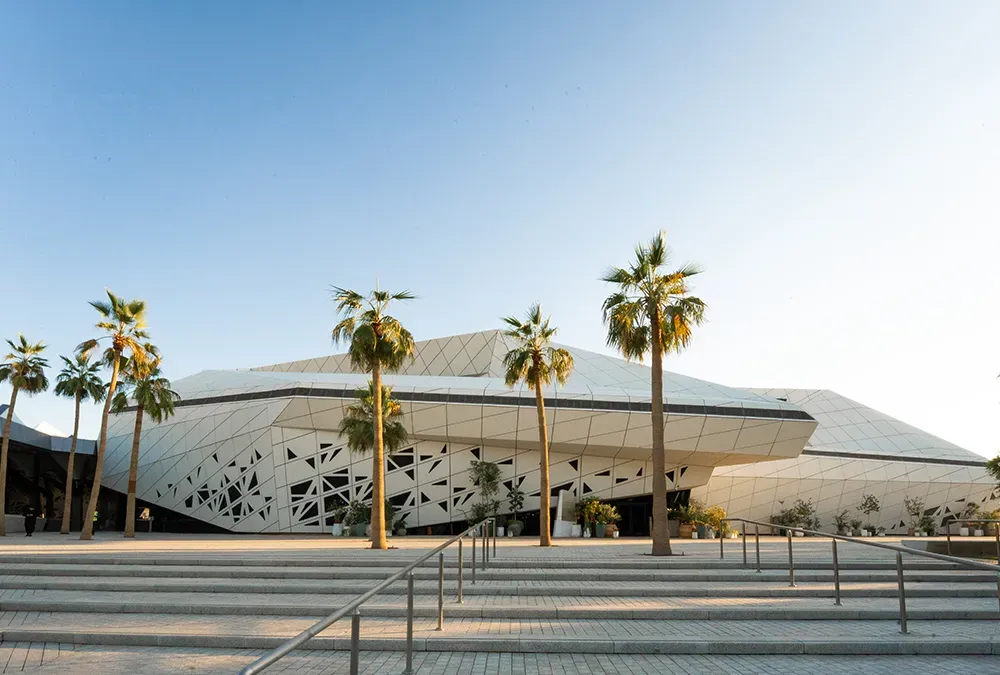
Nestled within the King Abdullah Petroleum Studies and Research Center—a striking, Zaha Hadid-designed complex that opened in 2017—the museum itself is a transformation. A London firm, DaeWha Kang Design, took one of the research libraries and turned it into four floors of permanent collection, temporary exhibition spaces, and even an outdoor garden.
We're a new kind of news feed.
Regular news is designed to drain you. We're a non-profit built to restore you. Every story we publish is scored for impact, progress, and hope.
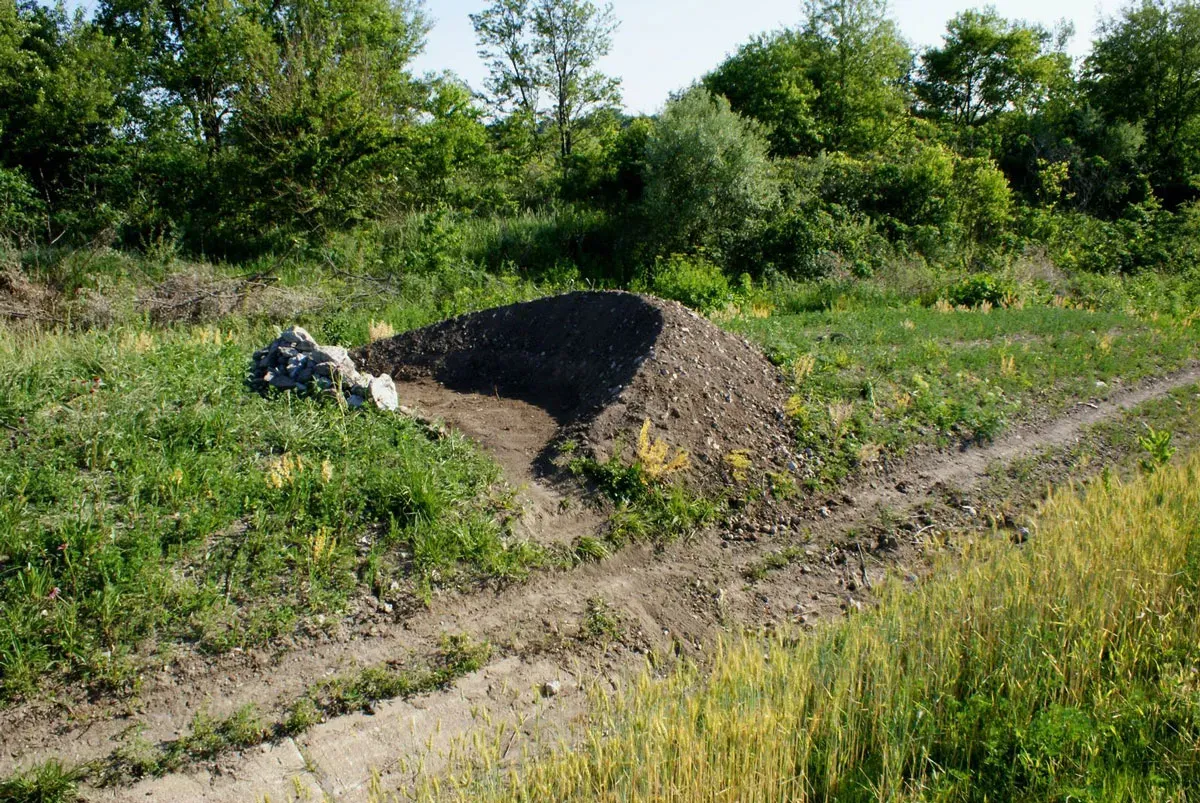
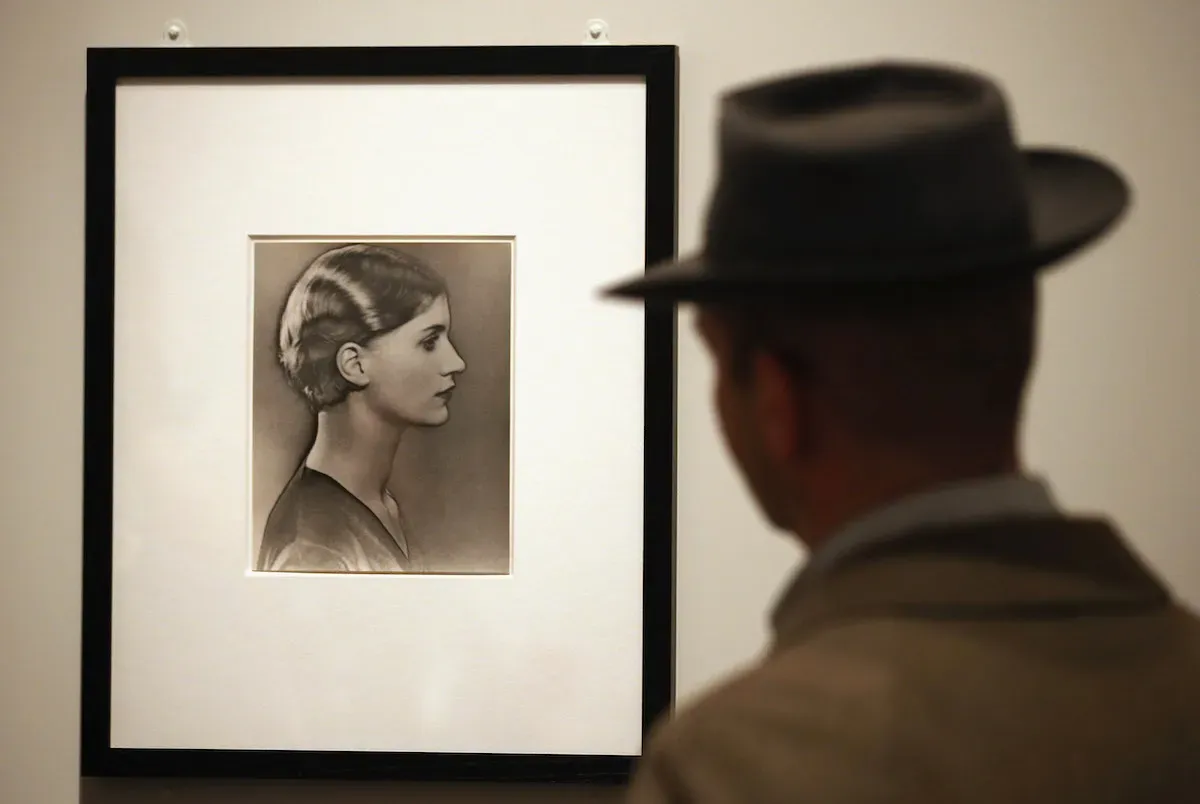
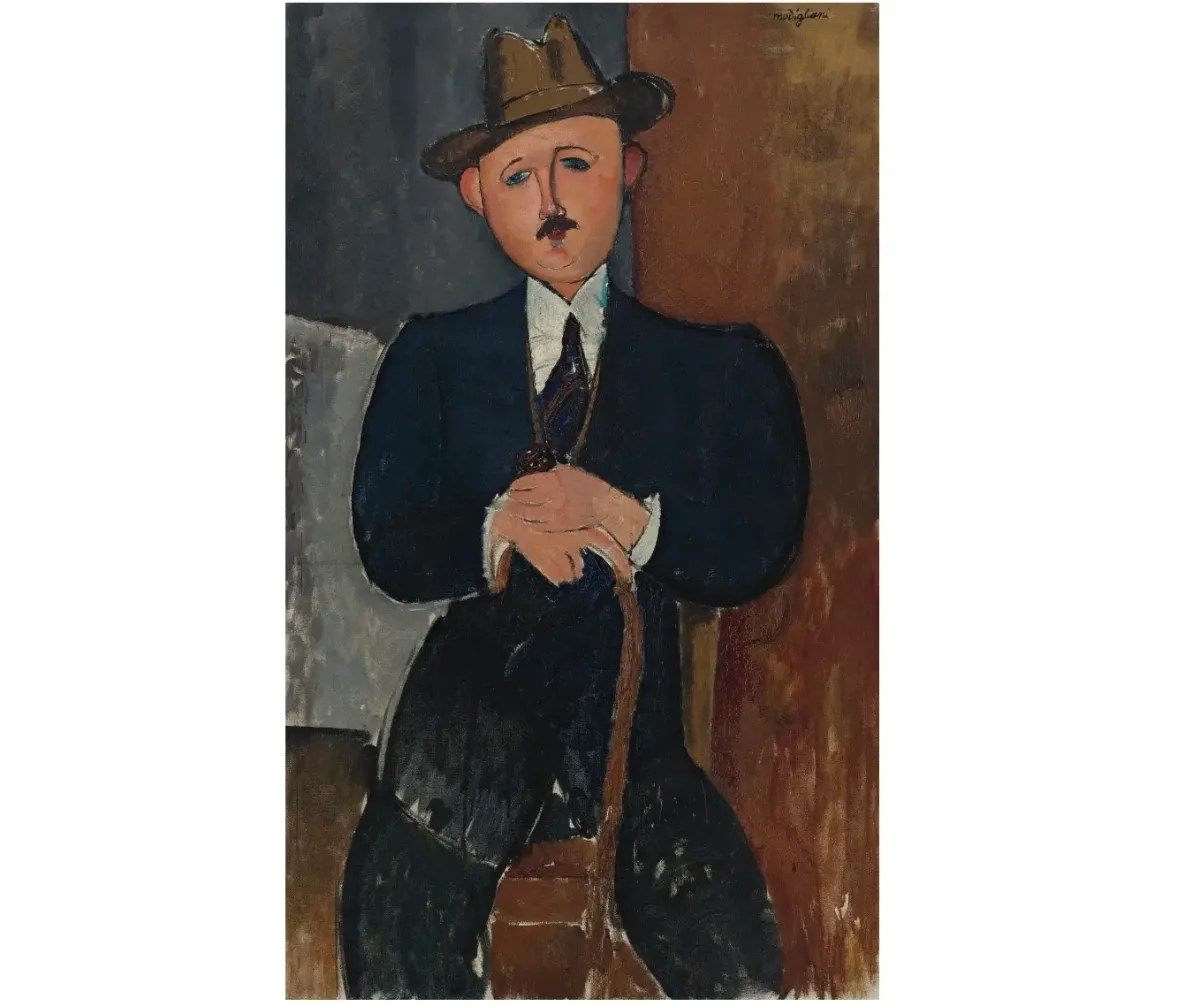
Start Your News DetoxThe permanent collection, sourced from the Saudi Arabian Ministry of Culture, features around 350 artworks by 170 global artists. Names like Manal AlDowayan, Doug Aitken, and Wim Delvoye are among those tasked with interpreting the black gold's legacy. Jack Persekian, a director known for championing Arab art, took the helm in 2022, presumably with a mandate to make oil, well, artful.
The museum’s journey through oil's impact is structured into four sections: Encounter, Dreams, Doubts, and Visions. While much of it is an homage to the substance that shaped the modern world, the "Doubt" section is slated to critically examine oil's broader impact and the global challenges that come with our reliance on it. Which, if you think about it, is a pretty nuanced tightrope walk for a museum literally called the Black Gold Museum.
It’s a fascinating, and slightly ironic, attempt to reframe a commodity that has fueled so much of our history—and so many debates—through the often-unpredictable language of contemporary art. Because apparently that’s where we are now: putting crude on a pedestal, quite literally.