Picture this: a dad, up to his elbows in diapers and burp cloths, maybe a little sleep-deprived, and he’s... happier? Yes, actually. A new global report on fatherhood just dropped a truth bomb: men are finding deep meaning and joy in the nitty-gritty of hands-on parenting.
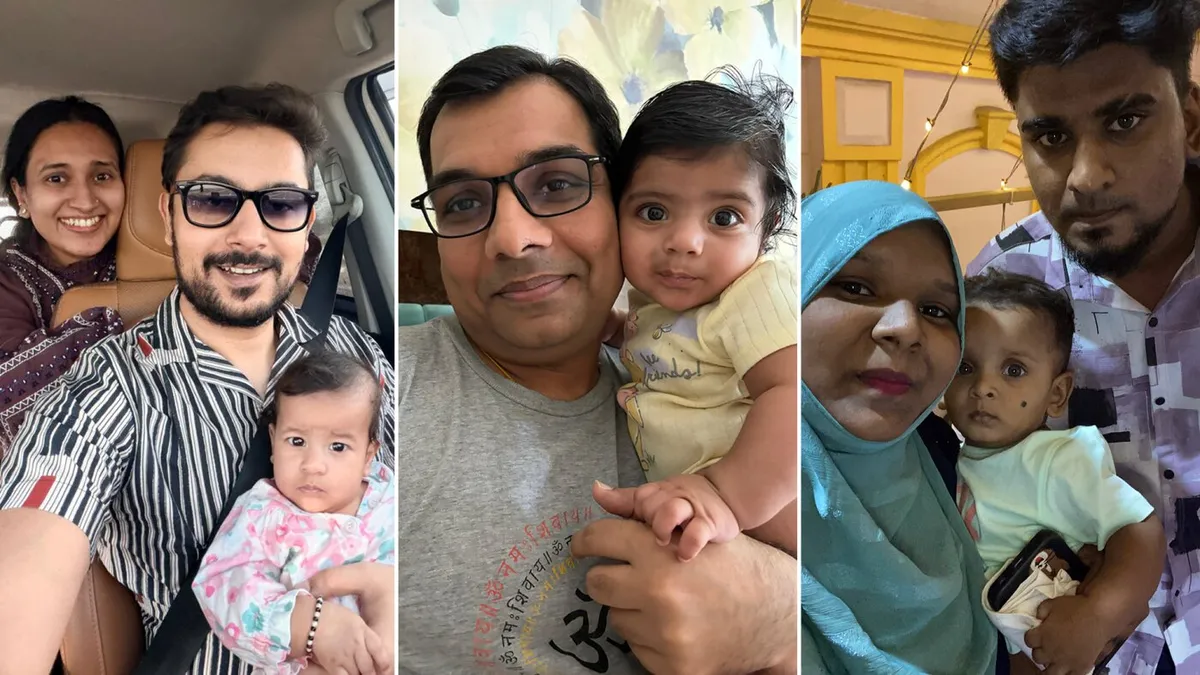
Take Ajas Ahmed, a chauffeur whose world shifted when his son was born. His wife had a tough labor, and Ahmed, 27, was right there. "She needed my support. I made sure I was there for her," he said. This wasn't a new feeling. Three years earlier, after his daughter arrived, he'd ditched his ambulance driver gig – the hours were too long, and he wanted to be present. Because apparently, that's where we are now.
Dads are Doing More, Feeling More
This isn't just one dad's experience. The 2026 State of the World's Fathers report — which sounds exactly like the kind of thing that would challenge old notions — found that men are more involved in childcare than ever, especially in smaller families. Researchers chatted with over 5,000 fathers and discovered something genuinely fascinating: more hands-on childcare often means more stress, but also a profound sense of purpose.
We're a new kind of news feed.
Regular news is designed to drain you. We're a non-profit built to restore you. Every story we publish is scored for impact, progress, and hope.
Start Your News DetoxIn fact, nine out of ten fathers reported that caring for their kids is a major source of happiness. Let that satisfying number sink in. Taveeshi Gupta, a lead author, called it an "unexpected finding." Gary Barker, CEO of Equimundo (the group behind the report, dedicated to encouraging men to support gender equality), noted that past messaging often had a "scolding" tone, urging men to do more because women were experiencing "time poverty." Turns out, all that urging was pointing men toward something they inherently wanted anyway.
But it's not all rainbows and shared burping duties. Younger and older men were more likely to cling to traditional roles, and even the most involved dads can feel like pioneers in uncharted territory. Barker himself recalled being a stay-at-home dad 28 years ago, often seen as either a "superhero" or "incompetent or invisible." Because, you know, men weren't supposed to do that.
The "Diaper Man" and the Mindful Traveler
Take Dr. Nilay Mahajan, a 36-year-old orthopedic surgeon in Bareilly, India. He says fatherhood has literally rewired his brain. Since his daughter Tarini arrived, his priorities have shifted. His wife is a busy gynecologist, so they split duties. "When I'm home, I'm the diaper man," he joked. He burps, he rocks, he even zips home between surgeries just to steal a moment with Tarini.
Mahajan believes raising a child is a shared responsibility, and he's seeing a huge cultural shift in India. More women are working, and more men are realizing the domestic load needs to be shared. He's actively trying to model a different path for Tarini than the one he saw growing up, where his neurosurgeon father's demanding schedule meant his mother did most of the parenting. "I have to show her through my actions... that men and women can be equal partners," he said. Then there's Manik Sehgal, 44, a consultant at Deloitte. He used to live out of a suitcase, taking 5-6 flights a month. Now, he's "more mindful about my travel, choosing to cut back whenever I can." He handles baby care after 9 p.m. so his wife can get some rest. Fatherhood has also made him a card-carrying member of the "suddenly everything is personal" club, worrying about the air, the economy, wars, and climate change. Because when you have a kid, it all hits different.
Dads Want In, But Need Support
The report also dug into what makes a "good father." Unsurprisingly, the provider role still looms large, especially in India, and globally. This isn't just about old ideas; it's about what researchers call "economic precarity" – that gnawing anxiety about financial stability, even for the well-off. Wars, AI, stagnant wages, rising home prices – it all adds up. Three in four fathers worried about their financial future, and many felt home ownership was a pipe dream. Over half had taken on multiple jobs or worked overtime, which, naturally, affects mental health and the happiness they find in caregiving.
But here's the kicker: the report doesn't call caregiving a burden. The data clearly shows joy. So, what's the solution? Fully paid paternity leave that matches maternity leave, cash stipends for lower-income families, and livable minimum wage guarantees. Because, as Barker put it, "Fathers increasingly want to care, but they need societies, employers and health systems that make caregiving possible." And bonus: that support helps mothers, too.
For Ajas Ahmed, despite his financial struggles, his wife's hospital stay made it crystal clear: "Being a father means more than just earning for your family. It means being there for them, especially when they need you the most." Which, if you think about it, is a pretty good definition of being human.