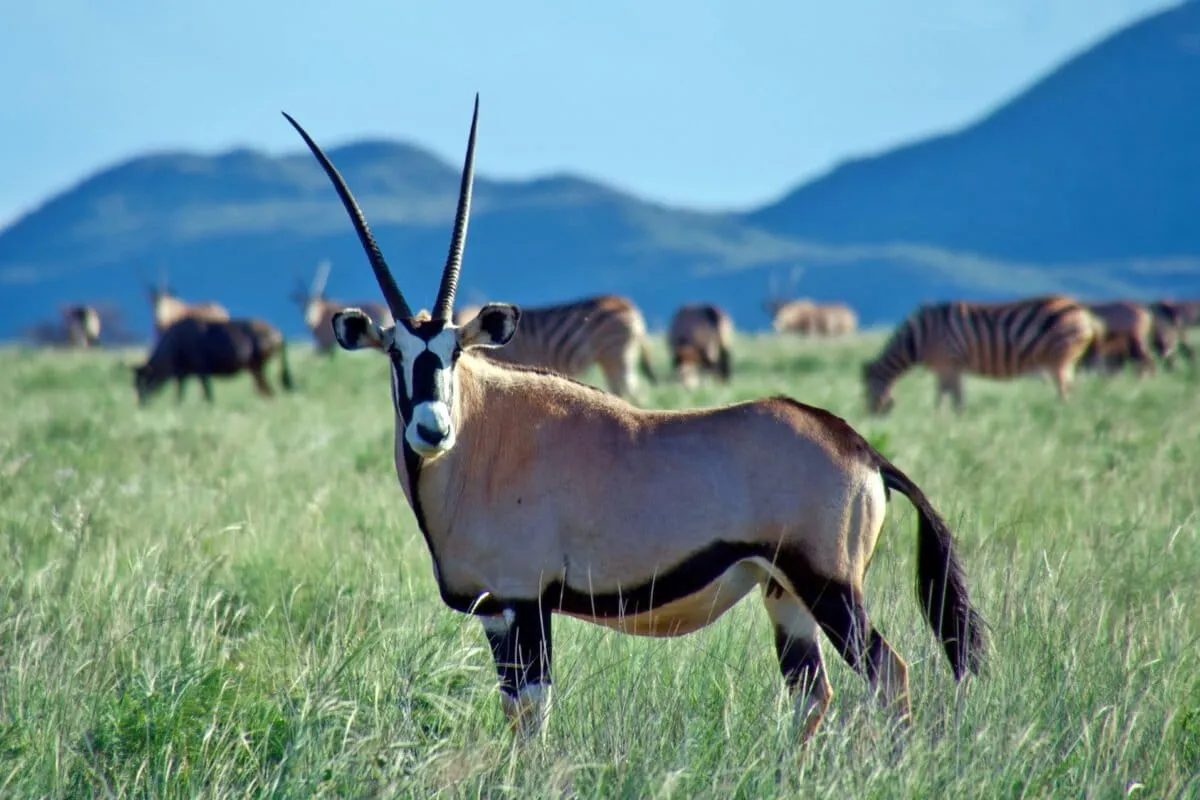
Get this: a desert reserve in South Africa is using its wild animals to fight climate change. We're talking mountain zebras, wild dogs, and rhinos, all helping to pull carbon out of the air and stash it deep in the soil.
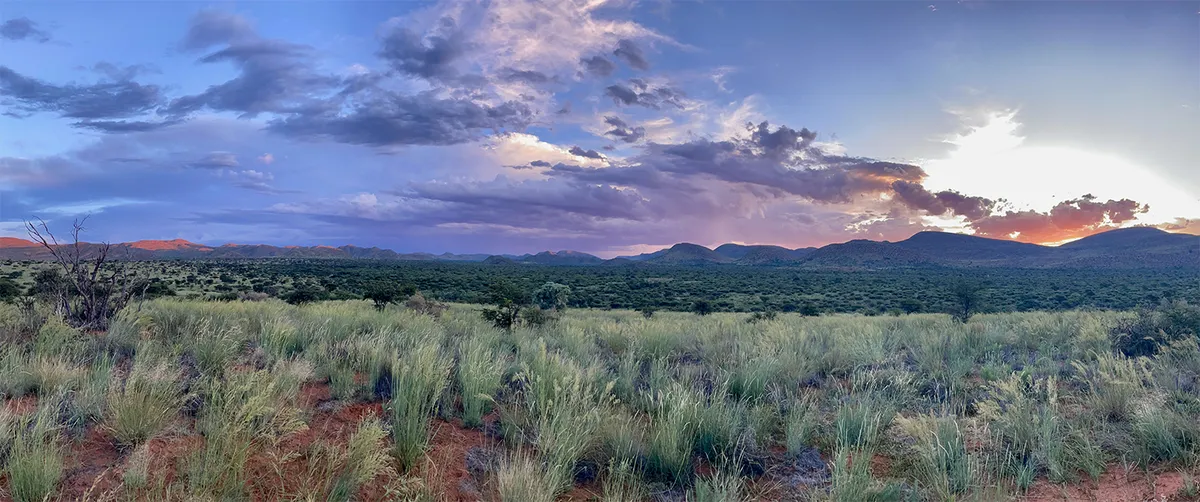
This isn't some rainforest project. This is the Tswalu Kalahari Reserve, a place so dry the local Tswana people call it "the waterless place." It only gets about 4–20 inches of rain a year. Yet, for decades, they've been bringing back native animals to rewild this dry savanna.
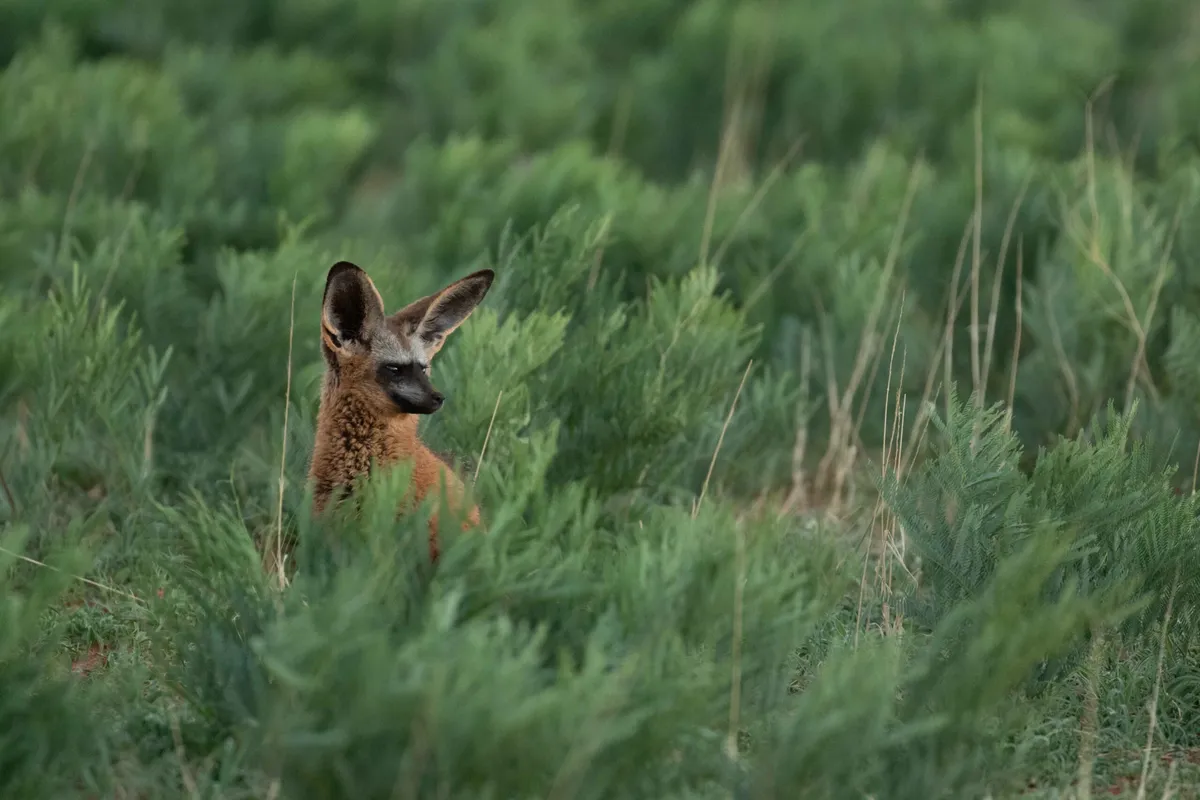
Now, these rewilding efforts are doing double duty. The animals are actually helping the land store more carbon. That's a pretty clever trick, especially since most carbon storage projects focus on big, leafy forests.
We're a new kind of news feed.
Regular news is designed to drain you. We're a non-profit built to restore you. Every story we publish is scored for impact, progress, and hope.
Start Your News DetoxHere's how it works: when animals graze, stomp, and generally move around, they stir up the soil and help plants grow. Healthier plants mean more roots, and those roots pump carbon into the ground. It's a slow process, but it's super stable once that carbon is locked away.
It's like the animals are natural soil engineers, making the ground more absorbent and nutrient-rich. This helps even in a tough, dry environment like the Kalahari. It shows that even seemingly unlikely places can play a big role in keeping our planet healthy, all thanks to a little help from the wild residents.