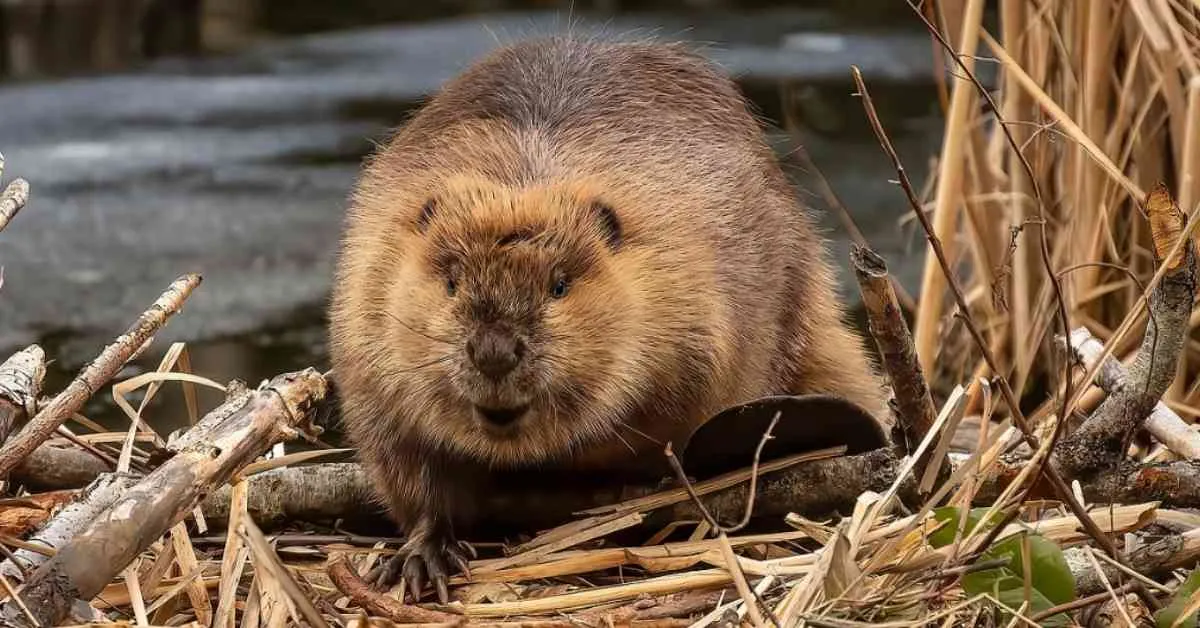
Jeremy Shaw stands in Kawuneeche Valley with a problem that looks simple on the surface: the beavers have left. What they've left behind is harder to fix — a degraded landscape where water no longer moves the way it should, where the ecosystem has tipped out of balance.
The culprit wasn't development or drought. It was moose. An overpopulation of them pushed the beavers out of their natural habitat, and without those industrious rodents doing what they do best, the valley's water systems began to fail. Shaw, a research scientist at Colorado State University, realized the area had become "too far gone" for beavers to recover on their own.
So his team decided to become beavers.
They're building 29 dams across the valley — man-made structures that mimic exactly what a beaver would construct. The approach isn't new. Scientists in Oregon stumbled onto it in the early 2000s when they created "beaver dam analogs," simple structures designed to jumpstart restoration. What happened next surprised them: the analogs worked so well that real beavers showed up and built on top of them, finishing the job themselves. A similar project in Great Basin National Park proved the concept could work elsewhere, successfully protecting the local ecosystem and rebuilding native beaver populations.
We're a new kind of news feed.
Regular news is designed to drain you. We're a non-profit built to restore you. Every story we publish is scored for impact, progress, and hope.
Start Your News DetoxWhat makes this Rocky Mountain effort different is its scale and its human beneficiaries. These aren't just ecological fixes. Kimberly Tekavec, a source water protection specialist in Colorado, points out that the restored water systems will safeguard clean drinking water for over 1 million Coloradans. The dams slow water movement, allowing it to filter naturally and recharge groundwater supplies. A single valley restoration project becomes infrastructure for an entire region.
It's a quietly elegant solution: work with what nature already knows how to do, give it a nudge, and then step back. The beavers, if they return, will do the rest.
The project is underway now, with Shaw's team monitoring each dam to see whether the ecosystem will respond as it did in Oregon and Utah. If it does, Kawuneeche Valley won't just recover — it'll become a template for how to restore other degraded landscapes across the Rocky Mountains.