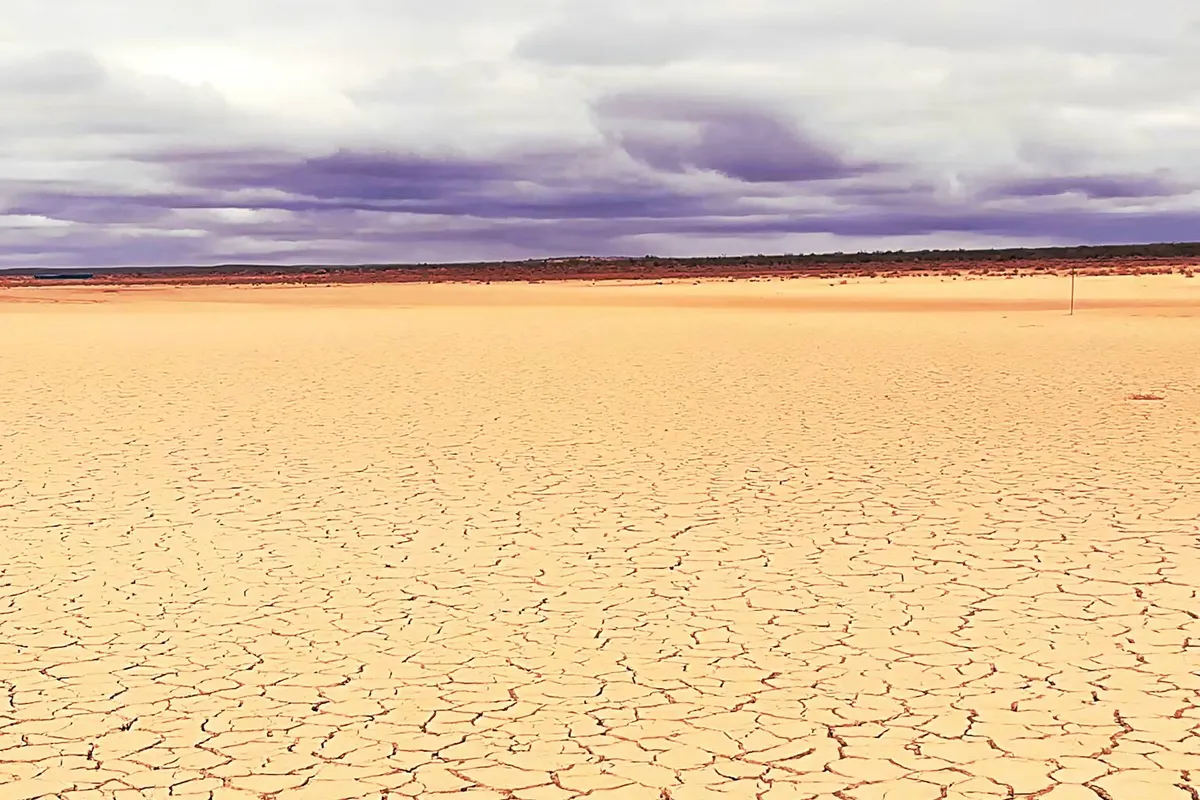
Imagine your town running out of water. Seriously. That's what happened to Sutherland, South Africa, in 2021. They hit "Day Zero"—taps went dry, and water was turned off for most of the day.
South Africa is one of the driest countries on Earth, and over 400 towns there rely on underground water stored in huge natural sponges called aquifers. But with less rain and longer droughts, these aquifers just aren't refilling on their own.
Now, scientists have found a seriously clever and low-cost way to beat this. They're helping towns refill their aquifers using a technique called managed aquifer recharge. It's like giving nature a helping hand to store water underground.
We're a new kind of news feed.
Regular news is designed to drain you. We're a non-profit built to restore you. Every story we publish is scored for impact, progress, and hope.
Start Your News DetoxHow It Works: Giving Aquifers a Boost
Think of an aquifer as a giant underground dam. Instead of building massive, expensive new dams above ground, this method focuses on getting rainwater into the ground when it does fall. It's pretty simple: direct extra surface water into special basins or ditches, or even pump it directly into the earth. The water then slowly soaks through the soil, topping up the aquifer below.
Researchers just showed how this worked wonders for five rural towns in the Karoo region: Carnarvon, Vanwyksvlei, Williston, Sutherland, and Calvinia. These places were struggling with dwindling water supplies, but after implementing these small-scale systems, their underground water levels bounced back.
Not only did the towns get more water, but the quality improved too. Plus, the areas around the recharge sites saw better plant growth, which in turn helped even more water seep into the ground instead of just running off.
Real Towns, Real Results
In all five projects, the water levels in the aquifers rose significantly after they started using this system. Here's a look at some of the successes:
-
Carnarvon (pop. 7,400): After drilling boreholes in 2015 to help rainwater seep in faster, the aquifer's water level rose an impressive 5 meters after good rains since 2022.
-
Williston (pop. 3,400): This town has been using check dams since 1983 to capture and soak up water. In 2022, just 40mm of heavy rain caused the groundwater to jump 10 meters, supplying the town for two whole years. That's pretty nuts!
-
Sutherland (pop. 3,000): After hitting Day Zero, they built new systems in 2021 using rock-filled baskets (gabions) and special channels to slow down floodwaters. Between 2022 and 2023, their aquifer's water level shot up 10 meters.
-
Vanwyksvlei (pop. 1,800): Since 2019, they've used special boreholes that punch through tough rock layers to get water into the aquifer. This has given them a reliable, fresh water supply.
-
Calvinia (pop. 12,000): After a severe drought, they set up their system in 2024. A flood in 2025 then caused a huge rise in their aquifer's water level.
The best part? These solutions are super affordable. A strategically placed borehole can cost around US$8,900, while a full system might be about US$300,000. That's a fraction of the cost of big traditional water projects.
This isn't just a temporary fix; it's a way for communities to adapt to a changing climate and secure their water future. It's smart, sustainable, and makes a huge difference for people who desperately need it.