Forget massive dams and high-tech solutions. Across India, communities are finding seriously cool, simple ways to make sure they have enough water. We're talking ice mountains, ancient wells, and even living bridges.
It turns out, the best ideas often come from watching the land and remembering what worked for generations. These aren't grand plans; they're smart, local fixes.
Ice Stupas and Ancient Wisdom
In Ladakh, farmers used to struggle when glacier melt slowed down right when they needed water most. Their clever fix? "Ice stupas." Think giant, cone-shaped ice sculptures built in winter by spraying water into the freezing air. When spring hits, these ice mountains slowly melt, feeding water right into the fields. It's like storing winter for summer!
We're a new kind of news feed.
Regular news is designed to drain you. We're a non-profit built to restore you. Every story we publish is scored for impact, progress, and hope.
Start Your News Detox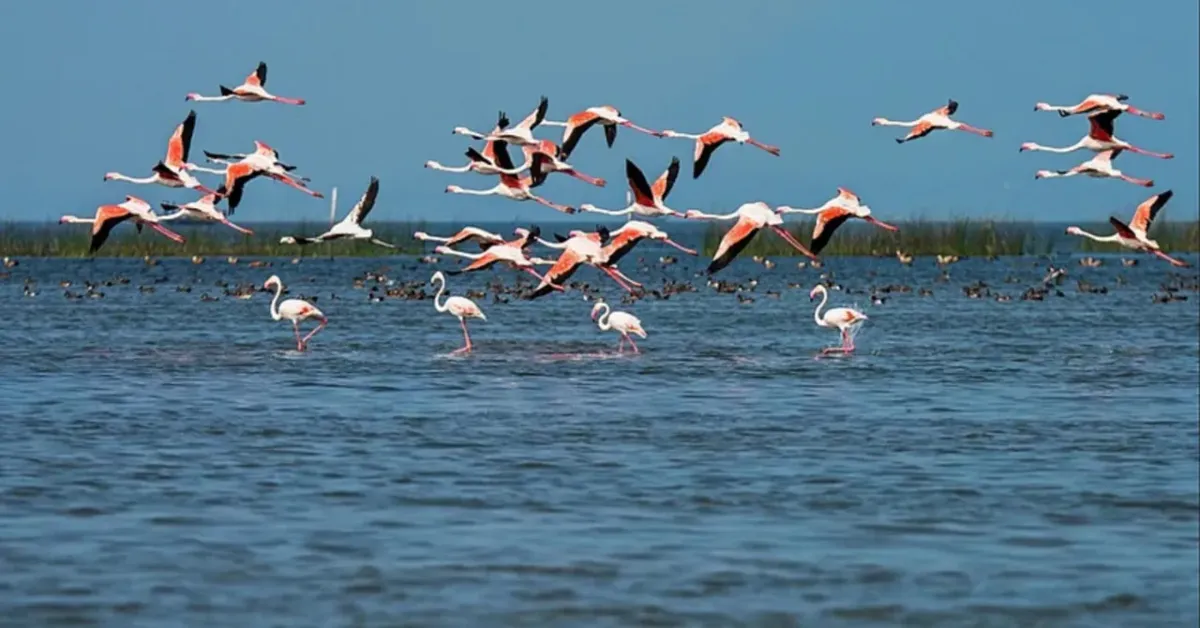
Meanwhile, in Rajasthan, where rain is scarce, people are bringing back old wisdom. They're restoring ancient stepwells and johads – small earthen dams. These structures collect rainwater, letting it soak into the ground and supporting farms long after the monsoon ends. It's a comeback for water, and for a community's connection to it.

Living Bridges and Shared Lakes
Over in Meghalaya, people understand that healthy water starts in healthy forests. That's why the living root bridges of the Khasi hills are so important. People guide tree roots across rivers, weaving them into bridges that can take 15 to 30 years to grow. These aren't just cool bridges; they're a symbol of protecting the forests that feed their water sources.

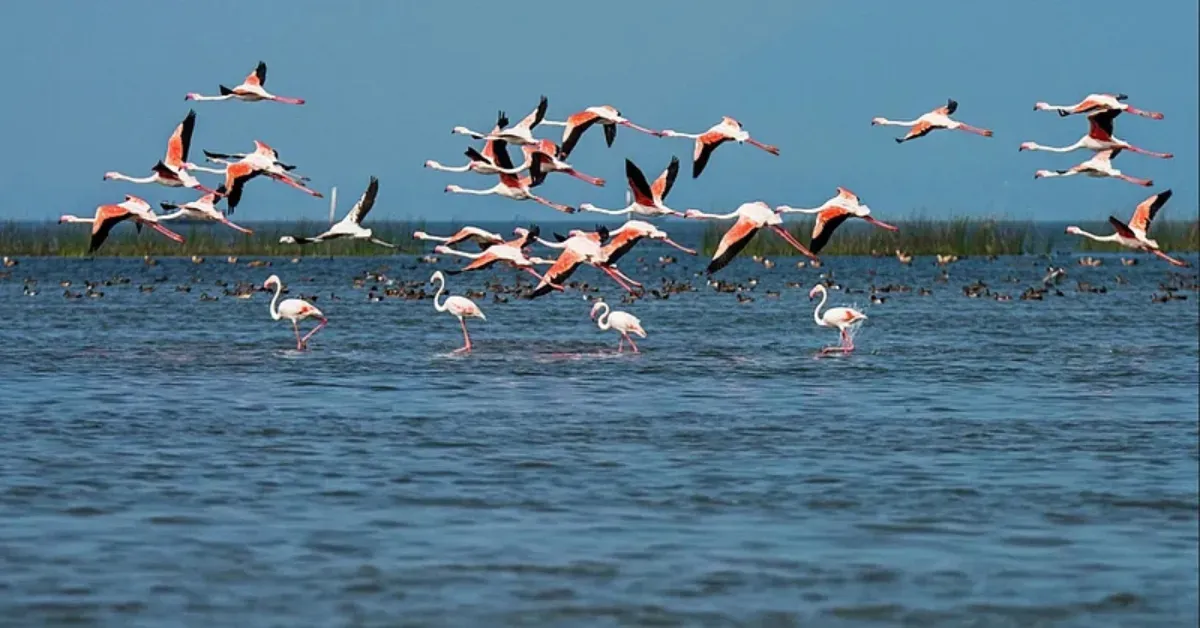
Then there's Chilika, a huge lake in Odisha. It's a Ramsar site, which means it's super important for nature. Every winter, it hosts more migrating birds than anywhere else in the Indian subcontinent. But it's not just for birds.
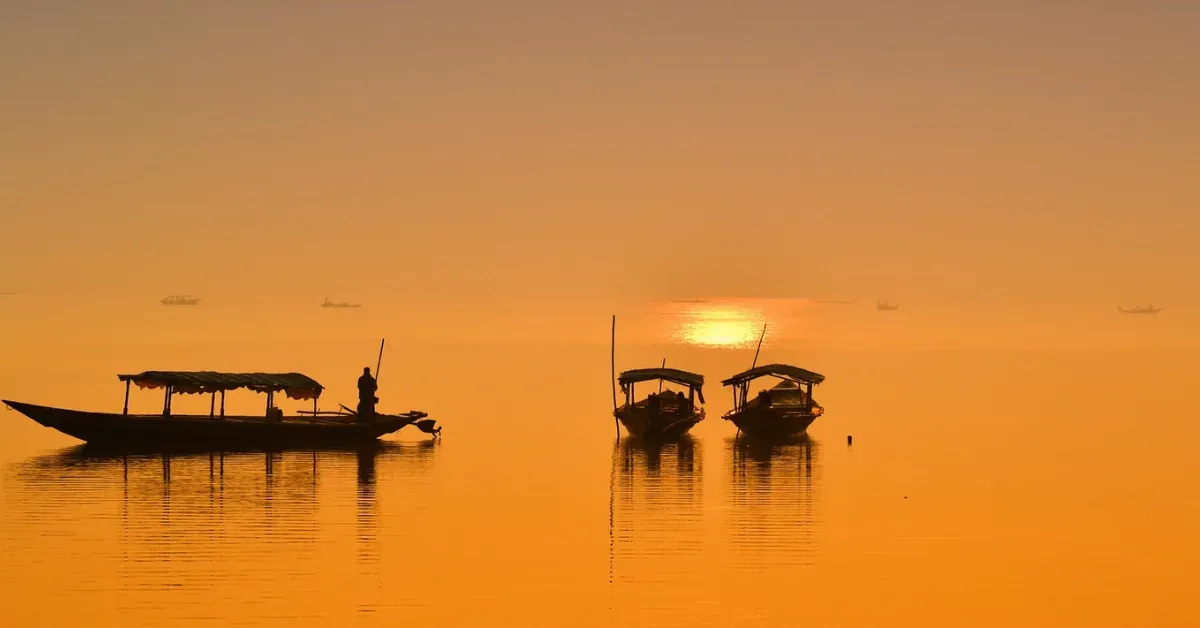
Thousands of fishing families rely on Chilika for their livelihoods. So, caring for this one lake means protecting an entire ecosystem – birds, fish, dolphins, and the homes and jobs of countless people. It shows how simple, local efforts can have a massive ripple effect, making life better for everyone.