Imagine spending three centuries being told you don't exist, your language silenced, your culture buried. Then, after 30 years of relentless effort, you finally get to stand up and say, "We're still here." That's the story of Taiwan's Siraya people, officially recognized on July 30 as the island's 17th Indigenous group.
This isn't just a bureaucratic update; it's a triumph of cultural stubbornness. The Siraya are the first plains tribe to reclaim their Indigenous status under a new act passed in October 2025. Because, apparently, it takes a lot of paperwork to undo 300 years of forced assimilation.
The Long, Hard Road Back
Before empires arrived, the Siraya lived on Taiwan's southwestern plains, speaking Sinckan, a unique Austronesian language. They were a matriarchal society, deeply connected to nature through Animist rituals. Then came the Dutch in the 1600s, followed by the Qing Dynasty, then the Japanese, and finally the Kuomintang (KMT) military dictatorship.
We're a new kind of news feed.
Regular news is designed to drain you. We're a non-profit built to restore you. Every story we publish is scored for impact, progress, and hope.
Start Your News DetoxEach new ruler brought new rules designed to erase Indigenous identity. Under the Qing, the Siraya were categorized as "civilized barbarians" — which meant they had to shave their hair, learn Chinese, adopt Han surnames, and generally not be themselves. The Japanese and KMT continued this delightful tradition, pushing plains tribes like the Siraya into the historical shadows, treating them like ordinary Han people while only recognizing mountain tribes as Indigenous.
Their language, once recorded by Dutch missionaries (who, ironically, helped preserve its written form), nearly vanished. Their culture, once vibrant, was systematically suppressed through education and public shaming. It took three decades of dedicated work just to unearth what had been lost.
Three Generations of Un-Erasure
The fight for recognition wasn't just about pride; it was about land, rights, and existence. After Taiwan democratized in the early 1990s, Indigenous rights movements gained momentum, leading to changes like replacing the term "mountain compatriots" with "Indigenous peoples" and ending the mandatory Han surname system.
But plains tribes like the Siraya faced extra hurdles. Some argued they'd assimilated too much, others worried about expanding the pool for special benefits. It took a landmark Constitutional Court ruling in 2022 and the subsequent 2025 Plains Indigenous People Status Act to clear the path.
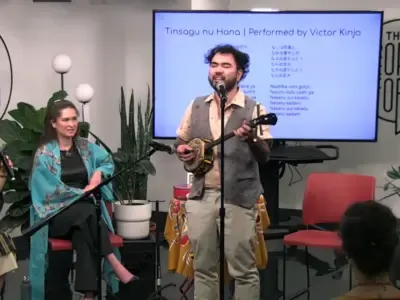
At the heart of the Siraya's revival is the Talavan family, who dedicated three generations to this Herculean task. Cheng-hiong Talavan, now 85, founded a cultural association in 1999. His daughter, Uma Talavan, and her husband, Edgar Macapili, became linguistic detectives, decoding the ancient Sinckan language from missionary texts. They recovered 4,000 words, enough to create children's books and songs. Now, the third generation, Euphone and Lici Talavan, are carrying the torch, ensuring the Siraya future is as vibrant as its past.
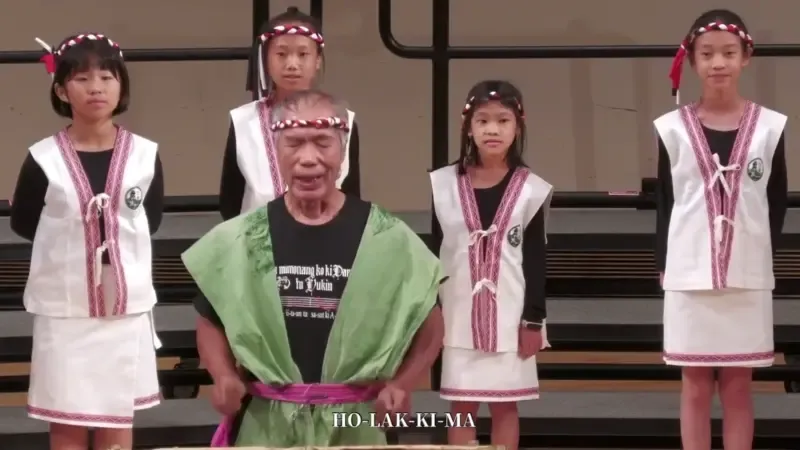
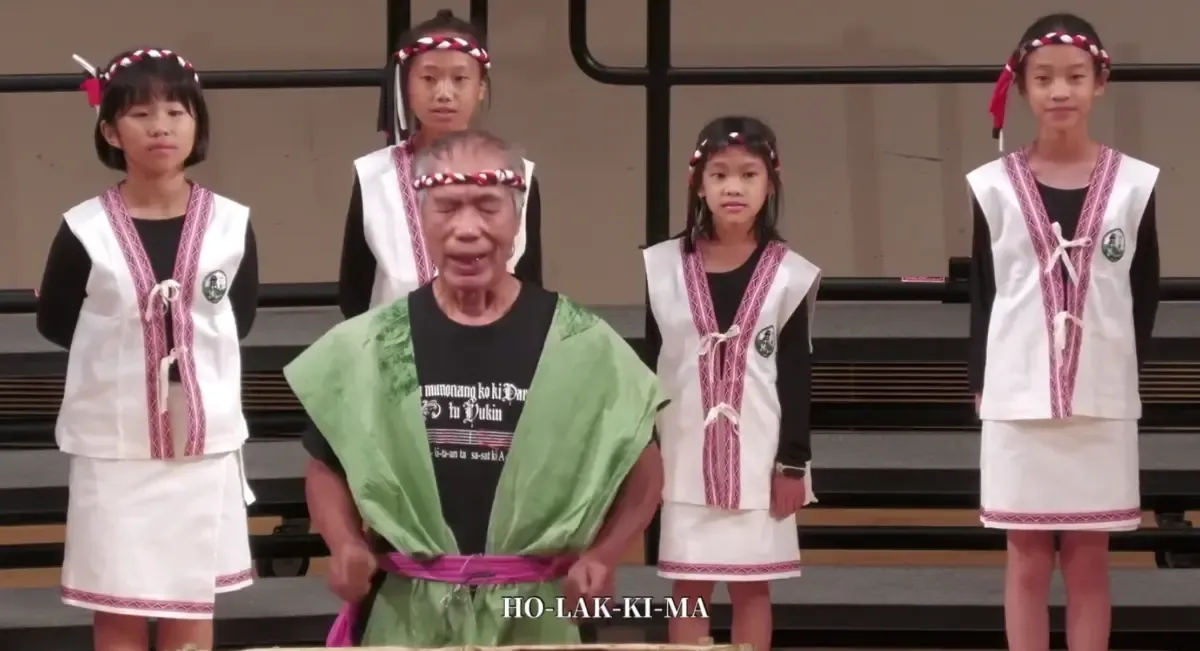
Here are five ancient Siraya songs performed by young learners:
As one Talavan family member, @miss5langs, put it on Threads:
It's a powerful reminder that history isn't just about what happened, but about who gets to tell the story. And for the Siraya, the story just got a new, very official, chapter. Other Pingpu groups, including the Kavalan and Ketagalan, are now working to follow suit. Because once you find your voice, you tend to use it.