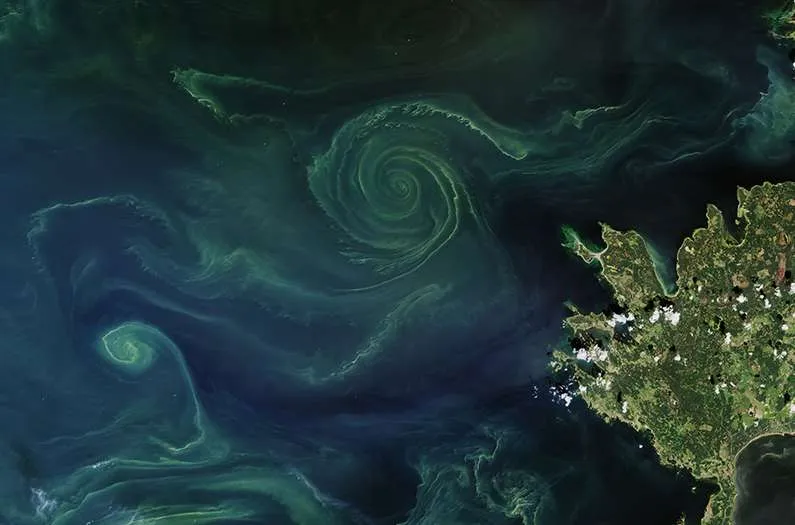
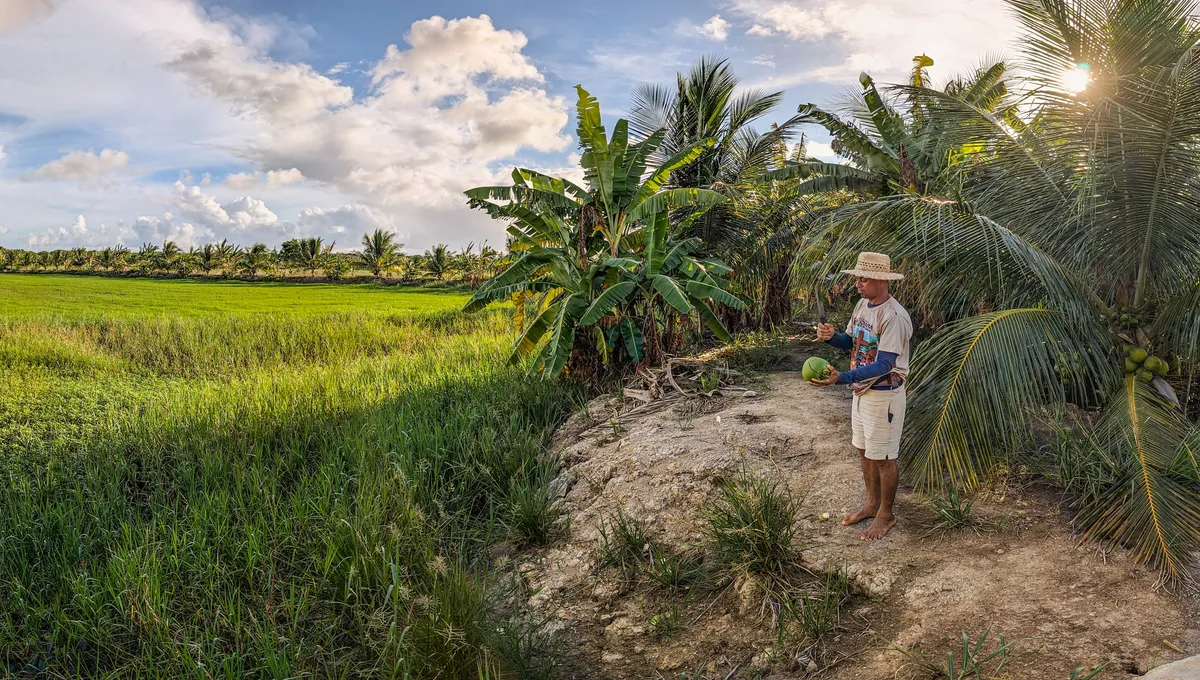
Where Brazil's São Francisco River spills into the Atlantic, a breathtaking mosaic of islands, dunes, lagoons, and vital mangrove forests unfolds. It's a natural masterpiece, a nursery for countless marine species, and — for generations — a place where freedom was a luxury, not a given.
This isn't just a pretty postcard. This land once bore the scars of cotton plantations and mills, a stark reminder of Brazil's brutal history of slavery, which finally ended in 1888. The lower São Francisco River region was a hub for enslaved people, its dense forests offering a desperate, dangerous sanctuary for those who escaped. They called it Refúgio dos Negros — the Refuge of Blacks. Let that name sink in.
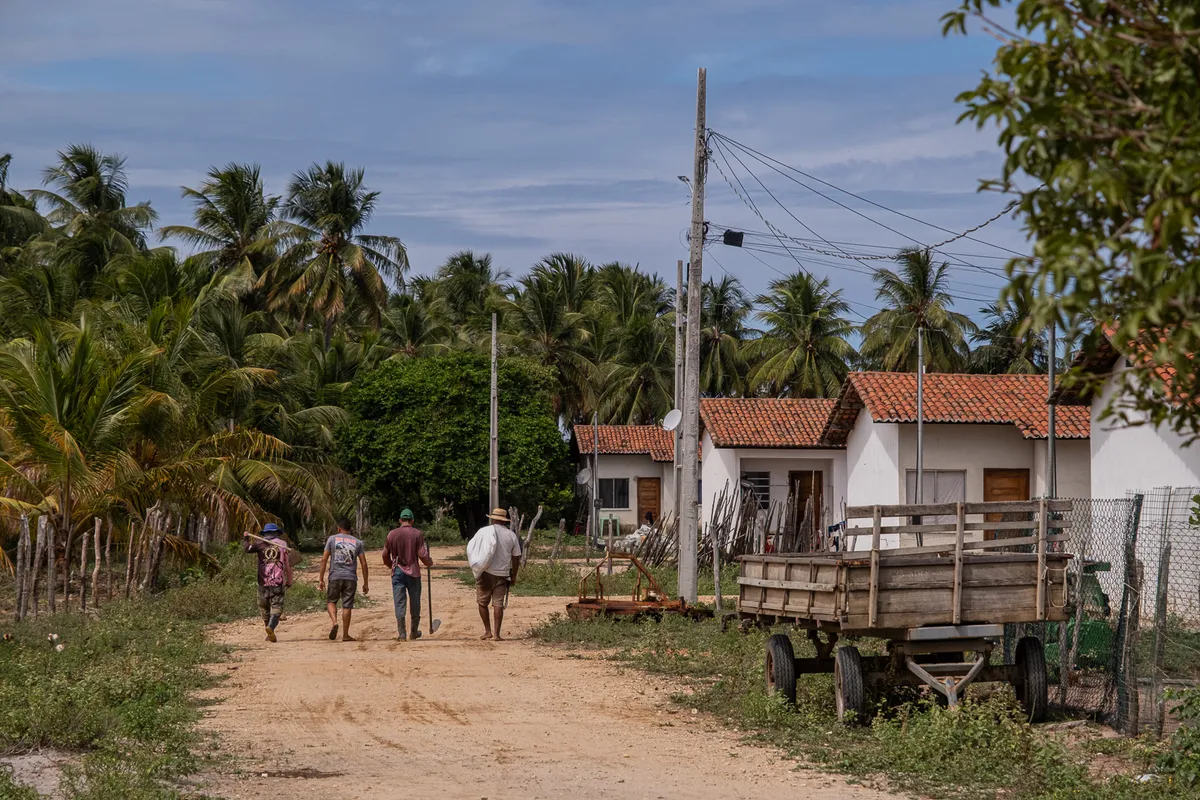
Even after abolition, true freedom remained elusive. Local landowners, with an audacity that defies belief, simply claimed the land that these communities had tilled and lived on for generations. Fences went up. Cattle grids appeared. The residents of Brejão dos Negros Quilombola Territory, descendants of those formerly enslaved Afro-Brazilians, found themselves trapped, prisoners on their own ancestral land. Because apparently, that's how things worked.
We're a new kind of news feed.
Regular news is designed to drain you. We're a non-profit built to restore you. Every story we publish is scored for impact, progress, and hope.
Start Your News Detox