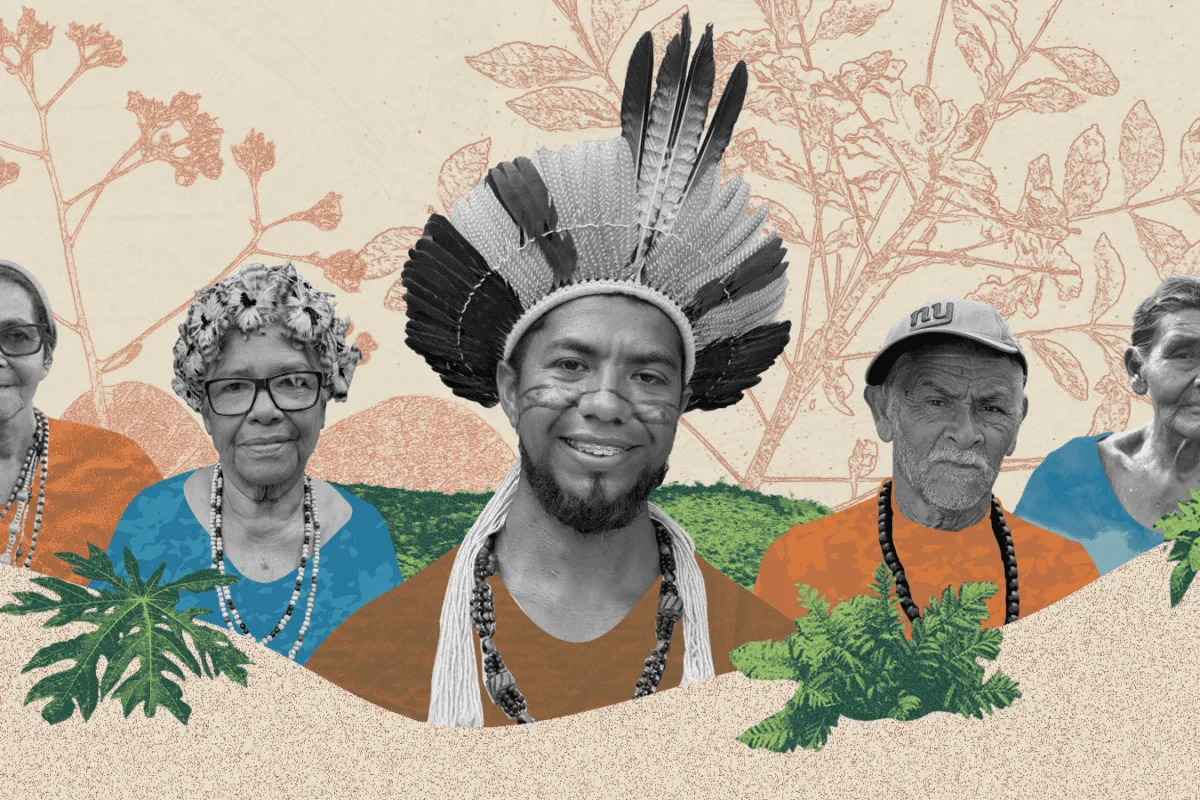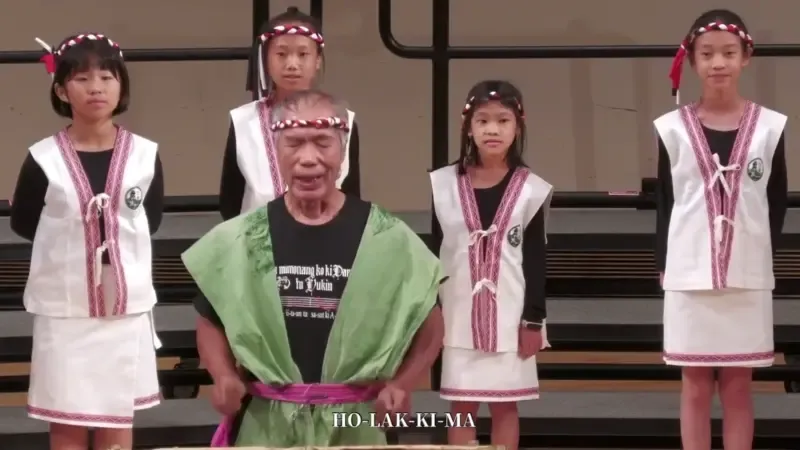
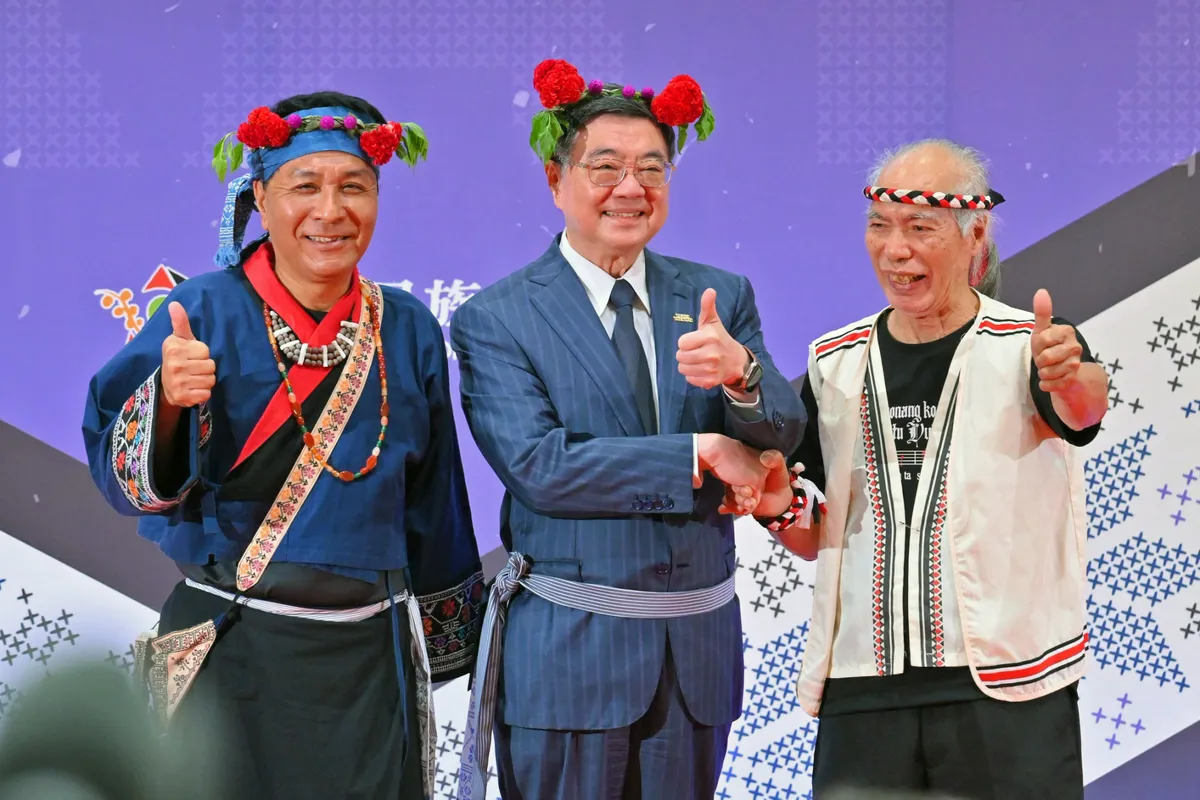
For centuries, they were, in the eyes of the law, simply gone. But now, the Siraya people of Taiwan have officially been recognized as the island's 17th Indigenous group, marking a monumental shift and the end of a very, very long wait.
This isn't just a bureaucratic update; it’s a profound correction to centuries of forced assimilation. The Siraya are the first of Taiwan's lowland plains Indigenous groups, known as Pingpu, to regain their official status. Think of it as finally being invited back to a dinner party you were never meant to leave.
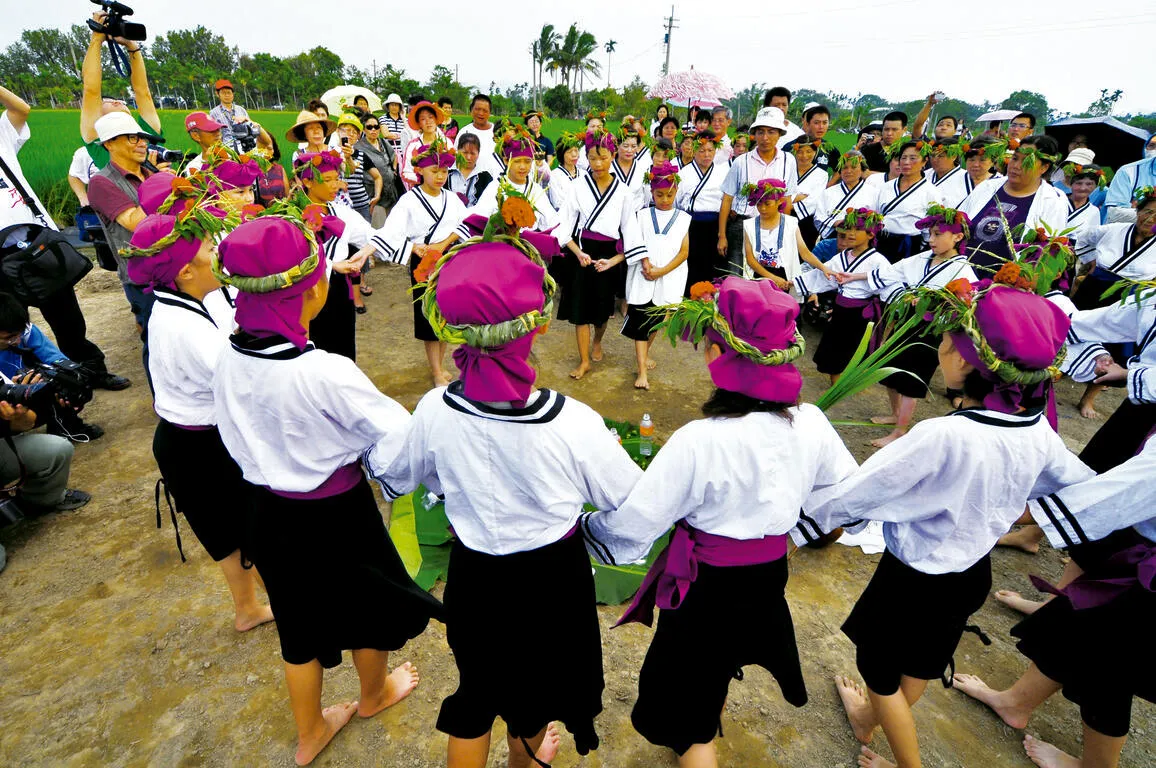
Taiwan’s Premier Cho Jung-tai made the announcement in late July, sparking celebrations that likely involved more than a few happy tears. Wan Cheng-hsiung, a Siraya activist and founder of the Tainan Siraya Cultural Association, summed it up perfectly in his native language: “We’ve finally come home!”
We're a new kind of news feed.
Regular news is designed to drain you. We're a non-profit built to restore you. Every story we publish is scored for impact, progress, and hope.
Start Your News DetoxPresident Lai Ching-te, who championed the Siraya's cause for years, also welcomed the news. On Taiwan's Indigenous Peoples' Day, he called it a “historic moment” and a vital step toward justice. Because, apparently, sometimes justice just takes a few hundred years.
This recognition comes thanks to the Pingpu Indigenous Peoples Status Act, passed in October 2025. Yes, you read that future-tense date correctly. The wheels of legislative justice, much like the wheels of actual justice, sometimes move in mysterious ways, or at least on timelines that defy conventional calendars. It's a testament to the sheer persistence of the Siraya community and their allies.
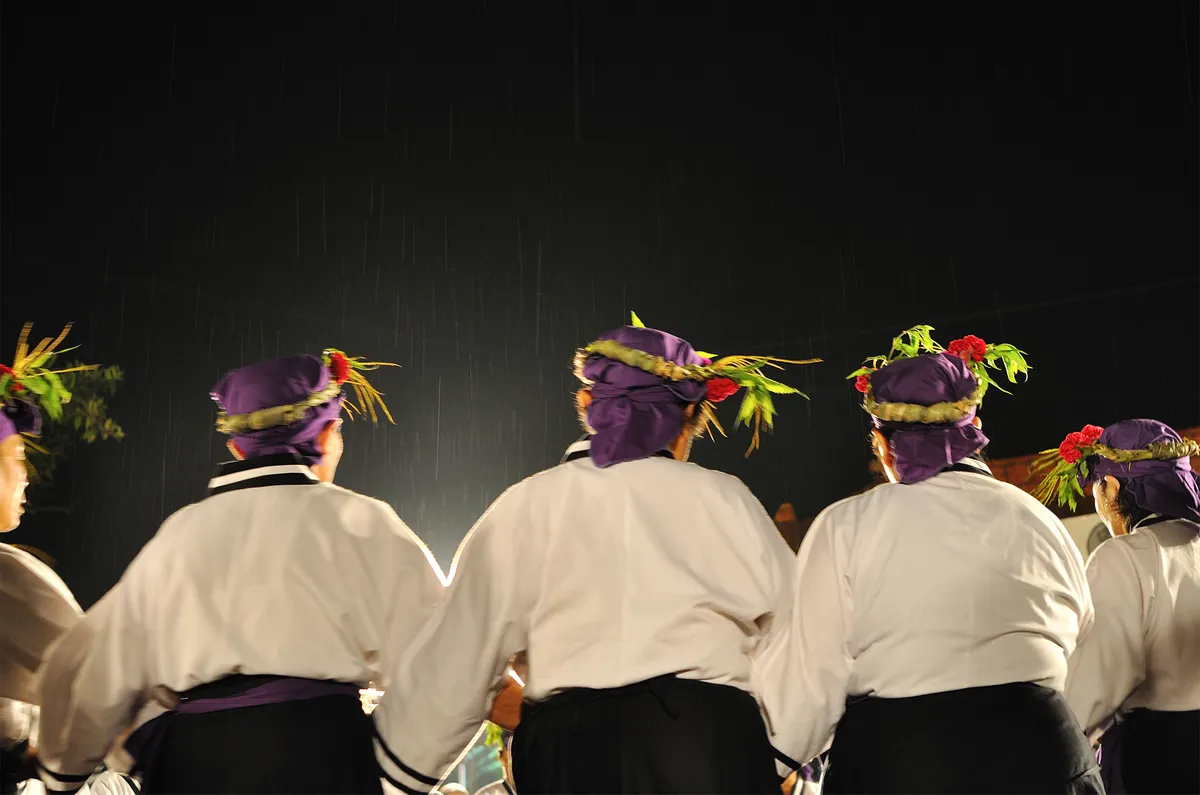
Jolan Hsieh, an Indigenous studies scholar and a Siraya woman herself, noted that while this recognition is huge, it’s just the beginning. It’s about restoring what was lost, which, if you think about it, is both impressive and slightly terrifying in its scope. But for now, a people are finally, officially, home.